
Description
Corchorus olitorius L., commonly known as jute mallow, tossa jute, or molokhia, is a species of shrub in the family Malvaceae (formerly classified in Tiliaceae). It is one of the primary sources of jute fiber alongside C. capsularis. The plant is a fast-growing, erect annual herb that can reach heights of 1.2 to 4 meters (4 to 13 feet), depending on the variety and growing conditions . It is a versatile crop valued both as a leafy vegetable and a fiber crop.
Origin and Distribution: The origin of C. olitorius is debated; some authorities point to the Indo-Burmese region, while others cite Africa due to greater genetic diversity and a larger number of wild Corchorus species on the continent. Regardless of its precise origin, it has been cultivated for millennia in both Africa and Asia and is now grown pantropically, from West Africa and the Middle East to South and Southeast Asia and the Caribbean.
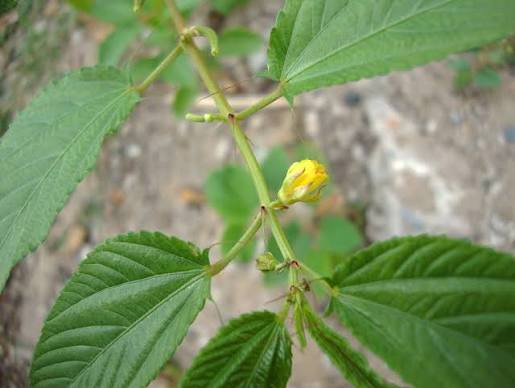
Morphology: The plant has a robust, erect stem that is often angular, and it branches profusely, especially in leaf varieties . The leaves are simple, arranged alternately, and are typically shiny, dark green, with a thinly textured surface. They are lanceolate to ovate in shape, measuring 4.5 to 15.5 cm in length and 0.9 to 6.5 cm in width. A distinctive feature is the pair of hair-like auricles (filiform appendages) at the base of the leaf, which are 2–12 mm long. The leaf margins are serrated (toothed).
Flowers: The small, bright yellow flowers are bisexual (hermaphroditic) and occur in clusters of 1–3 in the leaf axils. The petals are oblanceolate, 4.5–6 mm long, and there are about 35 stamens.
Fruit: The fruit is a distinctive cylindrical capsule that is 5–10 ribbed and splits into 5 valves. It is 2.8–9 cm long and contains many seeds. The seeds are small, dull grey or black, and rhomboidal in shape.
Varieties: There are two main cultivar groups:
| Group | Characteristics | Use |
| Olitorius Group | Shorter plants (<2 m), highly branched, often with smaller leaves | Cultivated primarily as a leafy vegetable; common in Africa and the Middle East |
| Textilis Group | Tall plants (4–5 m), unbranched or sparsely branched | Cultivated for jute fiber production; primarily in Asia |
Common names (including Nigerian)
- English: Jute mallow, Tossa jute, Bush okra, Nalta jute, Jew’s mallow, Egyptian spinach, West African sorrel
- Yoruba: Ewedu, Ayoyo
- Hausa: Lalo, Rama
- Igbo: Ahihiara, Arira
- Arabic: Molokhia, Meloukhia, Mulukhiyah
- French: Corète, Jute, Krinkrin
- Spanish: Yute, Grengueré (Cuba), Lalo (Dominican Republic)
Health Benefits
Corchorus olitorius is highly valued for its nutritional density and medicinal properties, playing a crucial role in combating malnutrition in many developing regions. Its leaves are a rich source of vitamins and minerals, and they contain various bioactive compounds with significant therapeutic potential.
1. Nutritional Profile
The leaves are exceptionally nutrient-dense, making them a valuable dietary supplement in regions where micronutrient deficiencies are common. They are rich in beta-carotene (vitamin A), vitamin B6, vitamin C, iron, potassium, calcium, and folate. Notably, the leaf is considered one of the best plant sources of folic acid (folate), containing 32 parts per million on a dry weight basis, surpassing spinach and other leafy greens. The leaves also provide a good amount of protein and dietary fiber, including omega-3 fatty acids.
2. Antioxidant Activity
C. olitorius leaves are rich in phenolic compounds, including flavonoids (quercetin, kaempferol, luteolin, rutin) and phenolic acids (chlorogenic acid, caffeic acid, ferulic acid). These compounds exhibit strong antioxidant properties, helping to neutralize free radicals, reduce oxidative stress, and protect cells from damage. The leaves contain 5-caffeoylquinic acid as the most predominant phenolic antioxidant.
3. Antidiabetic Effects
The soluble dietary fiber in the leaves has been shown to help regulate blood glucose levels. A clinical study on adult males found that consuming a preparation of freeze-dried C. olitorius powder with glucose suppressed the postprandial (after-meal) spike in blood sugar, likely due to the mucilaginous fiber delaying glucose absorption . This indicates a potential benefit for blood sugar management.
4. Anti-inflammatory and Analgesic Effects
Scientific studies have validated the traditional use of the plant as an anti-inflammatory and pain reliever. Leaf extracts have demonstrated a reduction in paw oedema in animal models. One study concluded that the antinociceptive (pain-relieving) activity may be mediated peripherally, possibly via opioid receptors. It also exhibits gastroprotective properties.
5. Antimicrobial Activity
The plant possesses antimicrobial properties. Leaf oils and extracts have shown activity against various bacteria, including Escherichia coli, Staphylococcus aureus, and Yersinia enterocolitica, as well as antifungal activity against strains like Geotrichum candidum. Strong growth inhibition against the malaria parasite Plasmodium falciparum has also been reported . In a West African study, it was among the most cited plants for treating typhoid fever.
6. Anticancer Potential
In vitro (test-tube) studies have demonstrated the antitumor potential of the plant. An ethanolic extract of the leaf was shown to induce apoptosis in human hepatocellular carcinoma cells (liver cancer) via a mitochondria-dependent pathway. Both seed and leaf extracts have demonstrated cytotoxic actions in human multiple myeloma cells.
7. Protective Effects Against Toxicity
Research suggests that the leaves offer protective effects against certain toxicities, including arsenic and lead, likely due to their high antioxidant capacity.
8. Traditional Medicinal Uses
In various folk medicine systems, C. olitorius has a long history of use. In Ayurvedic medicine, the leaves are used for ascites, pain, piles, and tumours. The plant is used as a demulcent, diuretic, and tonic. It has been employed for conditions such as cystitis, dysuria (painful urination), gonorrhoea, fever, and pain. A cold infusion of the leaves is said to restore appetite and strength, and the seeds are traditionally used as a purgative.
9. Supports Digestive Health
The mucilaginous nature of the leaves lubricates the digestive tract; promotes smooth bowel movement; helps relieve constipation; and soothes irritated gastrointestinal tissues. The dietary fiber further improves gut health and regularity.
10. Promotes Heart Health
Regular consumption may contribute to cardiovascular health by lowering cholesterol absorption; supporting healthy blood pressure; improving vascular function through antioxidant action; and providing potassium, which helps regulate blood pressure
11. Supports Healthy Blood Formation
The iron and folate content help promote red blood cell production; reduce the risk of iron-deficiency anaemia; and support healthy oxygen transport throughout the body
12. Enhances Immune Function
Vitamin C and other antioxidants support White blood cell activity; resistance to infections; faster wound healing; and overall immune system performance
13. Supports Eye Health
The high concentration of beta-carotene helps maintain healthy vision; protect retinal tissues; and reduce the risk of vitamin A deficiency-related eye disorders
14. Bone Health Support
Calcium, magnesium, phosphorus, and vitamin K constituents work together to strengthen bones; improve bone mineralization; and reduce the risk of bone-related disorders
Other benefits
- Jute Fiber: The stem is the primary source of jute, one of the most important natural fibers globally, second only to cotton. It is used to make yarn, twine, sacking, carpet backing, and various other textiles. While C. capsularis is generally preferred for fiber quality, C. olitorius is widely used for the same purpose.
- Animal Fodder: Jute mallow can be used as feed for cattle in some production systems.
- Soil Improvement: The plant is an excellent green manure crop for improving soil fertility.
- Culinary Use (Thickener): The dried leaves are ground into a powder and used as a soup thickener. This powder is known as Nalita in the Middle East and Africa.
- Light Wood: The wood is very light and soft, and is sometimes used in making sulphur matches.
- Economic Importance: Cultivation provides Household income; employment opportunities; and raw materials for textile industries.
- Food Security Crop: Due to its adaptability and rapid growth, Corchorus olitorius serves as an important food-security vegetable in many African communities.
How it is used
Culinary uses (Nigeria and globally):
As a Leafy Vegetable:
- In Nigeria, ewedu or ayoyo leaves are a staple vegetable. They are washed, chopped, and boiled to make a mucilaginous (slimy) soup, typically served with a starchy staple like pounded yam, fufu, or amala.
- In Egypt, the leaves are the key ingredient in Molokhiya, a national dish; the leaves are either fresh or dried and boiled to make a soup.
- In Vietnamese cuisine, it is known as rau đay and made into a soup with shrimp.
- Nutrition: Fresh leaves are high in protein, vitamins, and minerals, making them an excellent nutritious vegetable.
- Young leaves: Added to salads.
- Older leaves: Cooked as a pot-herb or in soups.
- Fresh Leaves: May be steamed or boiled and added to sauces and stews or combined with other leafy vegetables
- Dried Leaf Powder: Leaves can be Sun-dried, ground into powder and stored for off-season use. It is added to soups and porridges
Herbal Medicine and Dosage:
Traditional Preparations:
- Leaf decoction/infusion: Leaves are boiled in water and the liquid is consumed for conditions like cystitis, gonorrhoea, and as a diuretic or tonic .
- Cold infusion: Used to restore appetite and strength .
- Seed preparation: Used as a purgative .
Modern Research (Dosing):
- Diabetes: 15 g of freeze-dried C. olitorius powder preparation with 75 g of glucose in the morning (fasted state) has been used in clinical research to suppress postprandial blood glucose levels .
Side Effects / Caution
1. General Safety Profile
Contraindications have not been identified, and no known adverse reactions are well-documented for C. olitorius. PFAF (Plants For A Future) lists the plant as having no known hazards. A few toxicity-related events have been reported, though they are not extensively detailed.
2. Pregnancy and Lactation
Consumption as a vegetable is generally considered safe. However, medicinal use of concentrated extracts should be discussed with a qualified healthcare practitioner due to limited clinical data.
3. Drug Interactions
None are well documented. However, due to its potential hypoglycemic (blood sugar-lowering) effects, individuals taking antidiabetic medications should monitor their blood glucose levels when consuming therapeutic amounts of the leaves.
Because the leaves contain vitamin K, individuals taking anticoagulant medications should maintain consistent intake and consult healthcare professionals regarding dietary management.
4. Contraindications
No specific contraindications have been clearly identified . However, as with any plant, individuals with known allergies to members of the Malvaceae family (e.g., okra, cotton) should exercise caution.
5. Contact Dermatitis
While the plant itself is not typically associated with severe contact dermatitis, individuals with sensitive skin may experience mild irritation from handling the leaves or stems, especially when harvesting.
6. Gastrointestinal Effects
Large quantities may cause mild stomach discomfort; increased bowel movements; and or bloating in sensitive individuals
7. Kidney Stone Concerns
The leaves contain oxalates. Excessive intake by individuals prone to calcium oxalate kidney stones should be moderated.
8. Avoid Contaminated Sources
Leaves should be sourced from clean environments because vegetables grown in polluted soils may accumulate heavy metals and other contaminants.
References
“Corchorus Olitorius: A Promising Medicinal Plant in Southern Africa.” Scientific Research Publishing, 2024, www.scirp.org/journal/paperinformation?paperid=134088.
“Jute Leaves: Nutrition, Benefits, Downsides, and Recipes.” Healthline, 18 Nov. 2021, www.healthline.com/nutrition/jute-leaves.
Abukutsa-Onyango, Mary O., et al. “Nutritional Value and Health Benefits of Indigenous Leafy Vegetables Consumed in Africa.” African Journal of Food, Agriculture, Nutrition and Development, vol. 7, no. 3, 2007, pp. 1–17.
Akoroda, M. O. “Cultivation of Jute (Corchorus Olitorius) for Edible Leaf in Nigeria.” PROTA4U, prota.prota4u.org. (Various ethnobotanical sources).
Ben Yakoub, Amira R., et al. “Health-Promoting Properties of Corchorus Leaves: A Review.” Journal of Functional Foods, vol. 46, 2018, pp. 1–10. (Summarized in ScienceDirect abstract).
Burkill, H. M. The Useful Plants of West Tropical Africa. Vol. 5, Royal Botanic Gardens, Kew, 2000.
Crop Trust. “Jute Mallow.” Crop Trust, www.croptrust.org/knowledge-hub/crops/jute-mallow/. Accessed 26 June 2026.
Drugs.com. “Moroheiya Leaf Uses, Benefits & Dosage.” Drugs.com, 22 July 2025, www.drugs.com/npp/moroheiya-leaf.html.
Grubben, G. J. H., and O. A. Denton, editors. Plant Resources of Tropical Africa 2: Vegetables. PROTA Foundation, Wageningen, Netherlands, 2004.
Islam, M. M., et al. “Nutritional and Medicinal Qualities of Jute Leaves (Corchorus olitorius L.): A Review.” International Journal of Enhanced Research in Science, Technology and Engineering, vol. 2, no. 11, 2013, pp. 35–44.
Jansen, P. C. M. “Corchorus olitorius L.” In Plant Resources of Tropical Africa (PROTA), PROTA Foundation, Wageningen, Netherlands, 2008.
Ogunlesi, M., et al. “The Nutritive and Chemical Composition of Corchorus olitorius Leaves.” Pakistan Journal of Nutrition, vol. 9, no. 8, 2010, pp. 772–775.
PlantNet. “Corchorus olitorius.” PlantUse, plantuse.plantnet.org/fr/Corchorus_olitorius. Accessed 26 June 2026.
Plants For A Future. “Corchorus olitorius – L.” PFAF.org, pfaf.org/user/Plant.aspx?LatinName=Corchorus+olitorius. Accessed 26 June 2026.
Royal Society of Chemistry. “Chemical Compounds of Corchorus olitorius.” RSC Advances, 2022, pubs.rsc.org/aa/content/articlepdf/2022/ra/d2ra07406k.
Tindall, H. D. Vegetables in the Tropics. Macmillan Education Ltd., 1983.
Umerie, S. C., and C. C. Ezeuzo. “Physicochemical Characteristics and Nutrient Composition of Nigerian Jute Leaves (Corchorus olitorius).” Nigerian Food Journal, vol. 18, 2000, pp. 55–61. Wikipedia. “Corchorus olitorius.” Wikipedia, The Free Encyclopedia, en.wikipedia.org/wiki/Corchorus_olitorius. Accessed 26 June 2026.