
Description
Andrographis paniculata (Burm. f.) Nees is a slender, erect, annual herbaceous plant belonging to the Acanthaceae family . The genus name Andrographis refers to the shape of the pollen grains (from Greek andros for male and graphis for brush), while paniculata describes its paniculate (branched) inflorescence.
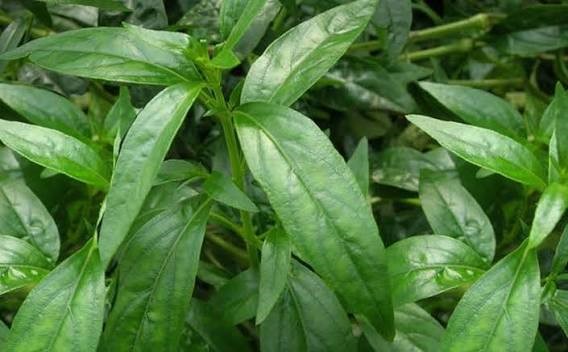
Morphology: The plant typically grows to a height of 30–100 cm. Its stem is square with distinct ridges (quadrangular), and the nodes are slightly swollen. The leaves are opposite, lanceolate (sword-shaped), and measure 2–8 cm in length and 1–3 cm in width. They are smooth, hairless (glabrous), and have a bitter taste.
Flowers: The small flowers are borne in loose, spreading panicles (terminal or axillary racemes). They are typically white to pale purple with a rose-coloured mark on the lower lip, which is a key identifying feature.
Fruit: The fruit is a linear-elongated, three-ribbed capsule (up to 2 cm long). When mature, it splits open to release numerous tiny, yellowish-brown seeds that are rugosely pitted.
Distribution and Habitat: Native to tropical Asia (India, Sri Lanka, Southeast Asia), it is widely distributed and cultivated throughout the tropical and subtropical regions of the world, including parts of Africa and South America. In Nigeria, it is increasingly recognized and cultivated, particularly in the southern regions.
Common names (including Nigerian):
- English: King of Bitters, Green Chiretta, Indian Echinacea
- Yoruba: Ewe meje meje (7-7), Ewe korobi-jogbo (meaning “bitter like the jogbo leaf”)
- Igbo: (Specific name not widely documented, often referred to by the English term)
- Hausa: (Specific name not widely documented)
- Chinese: Chuan Xin Lian, Yi Jian Xi, Ku Cao, Lan He Lian, Zhan She Jian
Health Benefits
Andrographis paniculata is one of the most extensively studied medicinal plants, with its pharmacological actions attributed to its primary bioactive compounds, particularly the diterpene lactones like andrographolide and dehydroandrographolide (Deh). It is often referred to as a “natural antibiotic”.
- Antimalarial and Antimicrobial Properties (Significant Nigerian Context)
In Southeastern Nigeria, Andrographis paniculata is known locally as a potent medicinal plant. A 2023 study from a Nigerian university highlighted that extracts of the plant can inhibit the growth of drug-resistant malaria parasite strains. In silico studies identified compounds from the plant with better binding affinities to the Plasmodium falciparum enzyme Dihydroorotate dehydrogenase (DHODH) than a known inhibitor, suggesting strong antimalarial potential. The plant also exhibits broad-spectrum antimicrobial activity against various bacteria including Staphylococcus aureus, Pseudomonas aeruginosa, and Salmonella typhi.
- Anti-inflammatory and Immunomodulatory Effects
This is one of the most well-documented benefits. Dehydroandrographolide (Deh) has shown remarkable anti-inflammatory potential, often surpassing its parent compound, andrographolide. It works by inhibiting key inflammatory pathways such as NF-κB and reducing the production of pro-inflammatory cytokines (e.g., IL-6, TNF-α). This supports its traditional use for inflammatory conditions like colitis and arthritis.
Andrographis paniculata is best known for its immune-enhancing properties. Research suggests that andrographolide stimulates immune cell activity and helps the body defend against infections. It may increase the activity of macrophages, natural killer cells, and lymphocytes. Its benefits include:
- Strengthens immune response
- Enhances resistance to infections
- Supports recovery from illness
- Helps maintain overall immune health
- Neuropharmacological Potential (Anxiolytic, Antidepressant, Antipsychotic)
A recent 2025 study published in the Journal of Ethnopharmacology evaluated the neuropharmacological properties of the methanol leaf extract. The results showed that the extract possessed anxiolytic- and antidepressant-like activities. Most significantly, it demonstrated antipsychotic-like properties by attenuating psychosis-like behavior in animal models. The mechanism may involve modulation of neurotransmitter receptors (D2 and 5-HT2A) alongside its antioxidant properties in the brain.
- Antiviral and Respiratory Health
Andrographis is widely recognized for treating upper respiratory tract infections, the common cold, and flu. It has been shown to reduce both the duration and severity of cold symptoms. Clinically, a derivative of Deh (Potassium Dehydroandrographolide Succinate) is approved in China for treating viral pneumonia and respiratory infections. It achieves this by inhibiting viral replication and increasing the expression of antimicrobial peptides. Numerous clinical studies have shown that Andrographis paniculata may help reduce symptoms of Common cold, Influenza-like illnesses, Sore throat, Sinus congestion, and Upper respiratory tract infections
- Antitumor and Anticancer Potential
Research indicates that Deh possesses significant antitumor properties. It can induce apoptosis (programmed cell death) and cause cell cycle blockade in various cancer cell lines, including those of the colon, breast, liver, lung, and cervix.
- Hepatoprotective Activities
Protects the liver against injury by reducing oxidative stress and inflammation. Research indicates that it may:
- Protect liver cells from toxins
- Support liver regeneration
- Reduce liver inflammation
- Improve liver enzyme profiles
It is sometimes used as a supportive herb in liver detoxification programs.
- Antidiabetic Effects
Studies suggest that andrographolide may improve glucose metabolism and insulin sensitivity. The potential benefits include:
- Improved blood glucose control
- Enhanced insulin function
- Reduced risk of diabetic complications
Has shown potential in lowering blood sugar levels .
- Antioxidant:
It scavenges free radicals and enhances the levels of endogenous antioxidant enzymes like Superoxide Dismutase (SOD) and Catalase. The benefits include:
- Protection against oxidative stress
- Reduction of cellular damage
- Support for healthy aging
- Protection of body tissues
- Cardiovascular Health Support
The herb may contribute to heart health by:
- Reducing inflammation
- Lowering oxidative stress
- Supporting healthy blood vessel function
- Improving circulation
Some studies indicate blood-pressure-lowering effects.
- Digestive Health Support
Traditionally, the herb has been used to manage:
- Indigestion
- Loss of appetite
- Stomach discomfort
- Intestinal disturbances
Its bitter principles stimulate digestive secretions and may improve digestion.
- Traditional and Folk Uses
Antidote for snake and insect bites, treatment for skin conditions (boils, eczema, wounds, ulcers, itchiness), digestive issues (dyspepsia, colic, gas), urinary tract infections, rheumatism, hypertension, and as a general tonic or “blood purifier.” Poultices for swollen limbs or piles.
Other benefits
- Agricultural Uses
- Natural Biofungicide: Extracts of A. paniculata have demonstrated antifungal properties, positioning it as a potential biofungicide for agricultural use.
- Eco-friendly pest management
- Protection of crops from insect pests
- Bitter Tonic: In traditional medicine, its extreme bitterness is valued as a digestive stimulant and body detoxifier.
- Veterinary Uses
- Used in some traditional livestock remedies
- Supports animal health and immunity
- Economic Importance
- Cultivated commercially for herbal medicine production
- Source of phytopharmaceutical ingredients
- Valuable export crop in some countries
- Research Importance
- Widely studied medicinal plant
- Source of promising bioactive compounds
- Used in pharmaceutical and nutraceutical development
How it is used
- Traditional Medicine (Nigerian context):
- Raw leaves: The leaves are commonly eaten raw. An average dosage comprises seven leaves, eaten once or twice daily for about five days, which is the origin of its Yoruba name, ewe meje meje. Due to its intense bitterness, it is also known as ewe korobi-jogbo.
- Powder: Dried leaves are pulverized into a powder, which can be taken directly or encapsulated.
- Herbal Preparations & Dosage (General):Tea/Infusion: Dried aerial parts (leaves and stems) can be steeped in hot water.
Preparation
- Add 1–2 teaspoons of dried herb to a cup of hot water.
- Steep for 10–15 minutes.
- Strain before drinking.
Because of its intense bitterness, honey or lemon may sometimes be added.
- Tincture/Extract: Standardized extracts are available commercially.
- Capsules/Tablets: Marketed in India as Kalmcold® and standardized to contain at least 30% andrographolide. The dosage typically used in clinical studies for respiratory infections ranges from 100–400 mg of extract per day.
- Decoction
Traditional practitioners commonly prepare a decoction.
Method
- Boil fresh or dried leaves in water for 15–30 minutes.
- Allow to cool.
- Strain and drink in moderate quantities.
- Powder
The dried plant may be ground into powder and:
- Mixed with water
- Added to smoothies
- Encapsulated
- Tinctures and Extracts
Alcoholic or hydroalcoholic extracts are used in herbal medicine due to their concentrated active compounds.
- Combination Herbal Formulas
Andrographis paniculata is often combined with:
- Ginger (Zingiber officinale)
- Turmeric (Curcuma longa)
- Garlic (Allium sativum)
- Echinacea
for immune and respiratory support.
Side Effects / Caution
- Safety Profile
Acute toxicity studies in mice indicate that the methanol extract is relatively safe, with an oral LD50 of greater than 5000 mg/kg. However, clinical data on long-term use is limited.
- Common Side Effects
The most frequently reported side effects are mild and transient :
- Upset stomach (nausea, diarrhea).
- Changes in taste (loss of taste or a bitter taste).
- Headache, fatigue, dizziness.
- Skin rash.
- Serious Allergic Reactions
Andrographis can cause severe allergic reactions, including anaphylaxis, in susceptible individuals. Stop use and seek immediate medical attention if you experience symptoms such as:
- Swelling of the face, lips, tongue, or throat.
- Difficulty breathing.
- Racing heart.
- Hives or severe skin rash.
- Dizziness or fainting.
- Contraindications & Warnings
The following individuals should avoid using Andrographis or use it with extreme caution :
- Pregnant Women: It has abortifacient (pregnancy-terminating) effects. Not recommended.
- Breastfeeding Women: Safety is not established.
- Autoimmune Diseases: As an immunostimulant, it may exacerbate conditions like lupus or multiple sclerosis.
- Gallbladder Issues: It may stimulate bile flow, which could be problematic for those with gallstones or bile duct obstruction.
- Drug Interactions
- Anticoagulants/Antiplatelets: May increase the risk of bleeding .
- Antihypertensives: May have additive blood pressure-lowering effects.
- Chemotherapy: Its antioxidant effects could interfere with the effectiveness of some chemotherapy drugs.
- CYP450 Substrate Drugs: It may alter how the body metabolizes certain medications (including many statins, benzodiazepines, and some antivirals), either increasing side effects or reducing efficacy.
- Excessive Use
Large doses or prolonged use may:
- Increase the risk of adverse effects
- Cause excessive lowering of blood pressure
- Affect blood sugar regulation
- Lead to gastrointestinal discomfort
Moderation and professional guidance are advisable.
References (MLA format)
“Pharmacological Effects and Pharmacokinetic Profiles of Dehydroandrographolide.” Mediators of Inflammation, vol. 2025, 2025, p. 4123997. PubMed Central, doi:10.1155/mi/2025/4123997.
“S.A.N.C, Kalit S.N.D.M. Antifungal Properties of Andrographis Paniculata Extracts as Potential Biofungicides: A Review.” Food Research, vol. 8, no. 3, 2024. UiTM Library Updates, update.library.uitm.edu.my/Record/2-s2.0-85204933805/Cite.
“ Andrographis.” WebMD, updated 13 Feb. 2026, www.webmd.com/vitamins-supplements/andrographis.
Akbar, Shaikh. “Andrographis paniculata: A Review of Pharmacological Activities and Clinical Effects.” Alternative Medicine Review, vol. 16, no. 1, 2011, pp. 66–77.
Hossain, Md. Sanower, et al. “Andrographis paniculata (Burm. f.) Wall. ex Nees: A Review of Ethnobotany, Phytochemistry, and Pharmacology.” The Scientific World Journal, vol. 2014, 2014, Article ID 274905, doi:10.1155/2014/274905.
Hossain, Md. Shahadat, et al. “Andrographis paniculata (Burm. f.) Wall. ex Nees: A Review of Ethnobotany, Phytochemistry, and Pharmacology.” The Scientific World Journal, vol. 2014, 2014, pp. 1–28.
Jarukamjorn, K., and N. Nemoto. “Pharmacological Aspects of Andrographis paniculata on Health and Its Major Diterpenoid Constituent Andrographolide.” Journal of Health Science, vol. 54, no. 4, 2008, pp. 370–381.
Memorial Sloan Kettering Cancer Center. “Andrographis.” MSKCC.org, 16 Dec. 2021, www.mskcc.org/pdf/cancer-care/patient-education/herbs/andrographis.
Mishra, S. K., et al. “Scientific Validation of the Medicinal Efficacy of Andrographis paniculata.” Indian Journal of Traditional Knowledge, vol. 6, no. 1, 2007, pp. 66–78.
Okhuarobo, Agbonlahor, et al. “Harnessing the Medicinal Properties of Andrographis paniculata for Diseases and Beyond: A Traditional Miracle Drug.” Asian Pacific Journal of Tropical Disease, vol. 4, Suppl. 1, 2014, pp. S71–S79. (PMC4032030).
Olaosebikan, Oladapo Joseph. “Extraction, Characterization and in Silico Studies on the Antimalarial Properties of Phytochemicals from the Aerial Parts of Andrographis Paniculata.” BOWEN University Institutional Repository, 2023, ir.bowen.edu.ng:8443/jspui/handle/123456789/2510.
Olufunke. “Nigeria’s Medicinal Plants: Andrographis paniculata (Meje Meje).” Punch Newspapers, 21 Feb. 2021, punchng.com/nigerias-medicinal-plants-andrographis-paniculata-meje-meje/.
Pandey, A. K., and S. K. Mandal. “A Review of Phytochemical and Pharmacological Activities of Andrographis paniculata.” Journal of Pharmacognosy and Phytochemistry, vol. 6, no. 2, 2017, pp. 241–248.
Terhemen, Memshima M., et al. “Neuropharmacological Potentials (Antipsychotic-, Anxiolytic-, and Antidepressant-like Activities) of Methanol Leaf Extract of Andrographis paniculata Nees in Vivo: Possible Mechanisms, Antioxidant Activity, and in Silico Supportive Evidence.” Journal of Ethnopharmacology, 2025. ScienceDirect, doi:10.1016/j.jep.2025.119636.
WebMD. “Andrographis: Uses, Side Effects, Precautions, Interactions, Dosing and Reviews.” WebMD, 13 Feb. 2026, www.webmd.com/vitamins-supplements/andrographis.
World Health Organization. WHO Monographs on Selected Medicinal Plants. Vol. 2, World Health Organization, 2002.
农业知識入口網. “穿心蓮.” 農業知識入口網, kmweb.moa.gov.tw/subject/subject.php?id=37271.