
Description
Citrus aurantifolia, commonly known as the key lime, is a small, evergreen tree or shrub belonging to the Rutaceae (citrus) family. It is a densely and irregularly branched tree that typically reaches a height of about 5 meters. The twigs are armed with short, stiff, sharp spines, and the branches often originate quite far down on the trunk. The leaves are alternate, elliptic to oblong-ovate, measuring 4–8 cm in length by 2–5 cm in width, with a crenulate (scalloped) margin and narrowly winged petioles.
The flowers are small, white in bud, and arranged in short, axillary racemes of 1–7 flowers. They have 4–6 petals, 8–12 mm long, and 20–25 stamens. The fruit is a globose to ovoid berry, typically 3–6 cm in diameter, with a thin, smooth rind that is greenish-yellow when mature. The rind is very densely glandular, containing essential oils. The pulp is yellow-green, divided into 9–12 segments, and is very acidic, juicy, and fragrant. The fruit contains small, plump, ovoid, pale seeds that are polyembryonic (containing multiple embryos), meaning seedlings grow true to type. The fruit is typically harvested when still green, as it turns yellow when fully ripe.
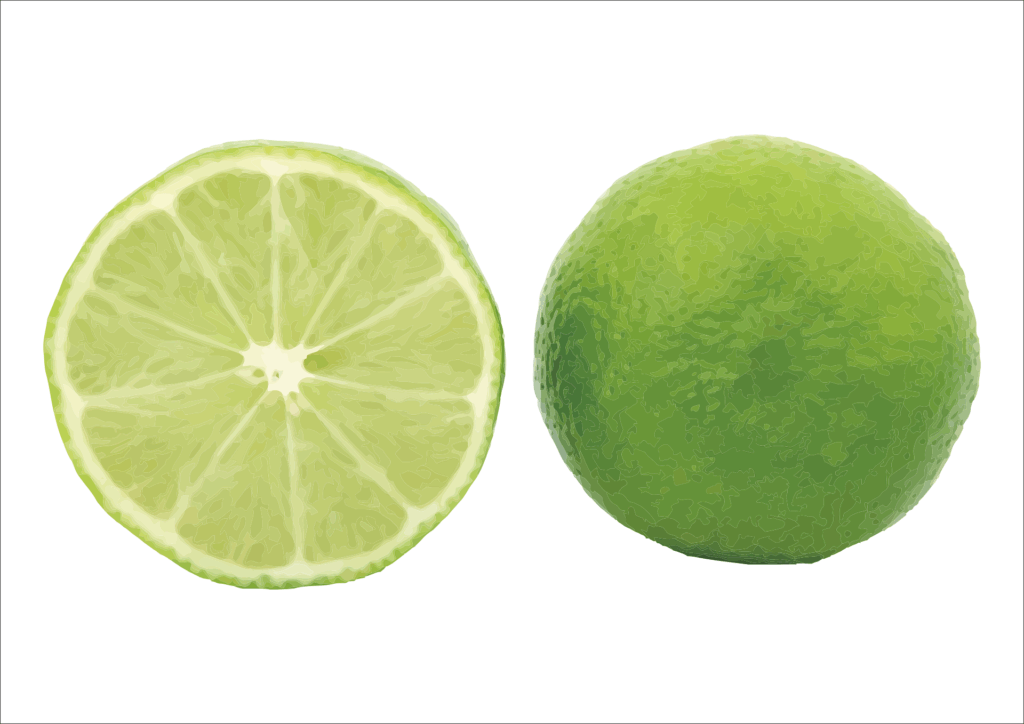
Common names (including Nigerian)
- English: Key lime, Mexican lime, West Indian lime, sour lime, acid lime.
- Yoruba: Osàn wewe (or Osan wewe)
- Igbo: Oroma nkirisi (or Oloma nkirisi, Epe nkirisi)
- Hausa: Karemi lemu (or Lemun tsami, Lemu tsami – distinguishing it as the sour/small lime).
- French: Lime acide, Limettier
- Spanish: Lima agria, Limón mexicano
- Indonesian: Jeruk nipis
- Thai: Manao
- Chinese: 来檬 (lái méng), 青柠 (qīng níng)
Health Benefits
Citrus aurantiifolia is rich in vitamin C (ascorbic acid), flavonoids (e.g., hesperidin, naringin), limonoids, essential oils (mainly limonene, β-pinene, γ-terpinene, citral), phenolics, and other antioxidants. These contribute to its nutritional and pharmacological value.
Key benefits supported by traditional use and studies include:
- Antimicrobial Properties: The fruit exhibits significant antibacterial activity against a range of pathogens, including Staphylococcus aureus (including MRSA), Escherichia coli, Klebsiella pneumoniae, Pseudomonas aeruginosa, and Salmonella species . It also demonstrates antifungal activity against Candida albicans and Aspergillus niger. In traditional Nigerian medicine, lime is used as an essential ingredient in herbal concoctions for various infections.
- Immune support and Antioxidant Effects: The high content of vitamin C and flavonoids helps boost immunity, provides potent antioxidant activity, helping to combat oxidative stress and reduce inflammation . Studies have shown that lime extract can ameliorate oxidative stress, dyslipidemia, and inflammation.
- Anticancer/Antitumor Potential: Limonoids and coumarins found in the fruit possess anticancer properties . Research has indicated cytotoxic activity against leukemia lymphoblasts and potential inhibition of colorectal cancer cell proliferation.
- Cardiovascular Protection: The plant exhibits antihyperlipidemic activity and has been shown to reduce cholesterol levels . It also offers cardiovascular protective effects, potentially helping to lower blood pressure and prevent atherosclerosis.
- Antidiabetic Effects: Studies have demonstrated the antidiabetic potential of C. aurantifolia, with extracts showing the ability to help manage blood glucose levels . It also exhibits α-glucosidase and α-amylase inhibition activity.
- Digestive Health: It is traditionally used as an anti-diarrheal, antiulcer, and anthelmintic (vermifuge) agent . In Nigeria, lime juice added to sugar and palm oil or honey is used as an excellent cough-relieving mixture, and it is also used to suppress stomachache.
- General wellness: Used traditionally as an antiseptic, astringent, diuretic, anthelmintic (anti-worm), and for headache, fever, chest pain, earache, or edema.
- Other Benefits: Additional reported activities include anti-inflammatory, analgesic (pain-relieving), anti-aging, sedative, hepatoprotective (liver-protecting), and nephroprotective (kidney-protecting) effects . It has also been traditionally used for wound healing, treating yaws, and managing fevers. In some West African countries, it is used for yellow fever and thrush.
Traditional Nigerian uses:
In Nigeria, Citrus aurantifolia (lime) features prominently in traditional ethnomedicine, especially leaves, fruit juice, and peel. It is used across Yoruba, Igbo, Hausa, and other communities for simple home-based preparations like decoctions or fresh juice.
- Malaria and fever: Leaf decoctions (often alone or combined with other herbs) are widely used for malaria treatment or prevention and to reduce fever symptoms. This is frequently documented in ethnobotanical surveys from southern and middle-belt Nigeria (e.g., Oyo, Osun, Kwara, and northern states).
- Yellow fever and other febrile illnesses: Leaf decoctions for yellow fever and related viral symptoms.
- Respiratory issues: Juice or leaf preparations for cough, sore throat, cold, and flu-like symptoms.
- Digestive complaints: Juice for stomachache, indigestion, diarrhea, constipation, or as an appetite stimulant.
- Other uses: For headache, toothache, bacterial/fungal skin infections, anemia support (via vitamin C), and general immune boosting or tonic effects during illness. In some regions, it appears in remedies for typhoid-like symptoms or as part of multi-herbal mixtures.
Preparations are typically straightforward: fresh leaves boiled into decoctions drunk orally, or fresh juice mixed with water/honey. These folk practices align with the plant’s known vitamin C and antimicrobial properties but remain largely traditional and should complement, not replace, modern medical care (e.g., for malaria). Scientific studies have begun validating related activities, such as antimicrobial effects of local extracts.
Other benefits
Beyond health, lime is an important economic and culinary crop in Nigeria and tropical regions, supporting smallholder farmers and food security. The juice and peel are key ingredients in beverages, pickles, sauces, marmalades, and confections. The tree provides shade in home gardens, supports pollinators, and its by-products (peel waste) can be valorized for biofertilizers or biogas. In some cultures, dried peel is used in cooking or as a natural pesticide.
- Culinary Uses: The fruit is widely used to flavor food and prepare drinks. Its rich flavor and acidic taste make it a favorite for hot and spicy dishes, pickles, and sauces. It is an everyday ingredient in Southeast Asian and West African cuisines.
- Food Flavouring and Preservation: C. aurantifolia offers natural antimicrobial properties effective against foodborne pathogens, helping to preserve freshness and flavor while reducing reliance on synthetic preservatives .
- Cosmetic and Skincare: In Nigeria, the mesocarp (white part of the rind) is used as a facial scrub to prevent pimples due to its cleansing action on the skin . The fruit’s anti-aging properties also make it a potential ingredient in skincare products.
- Insecticidal Use: The rind is burnt in some Nigerian homes to act as an insecticide against mosquitoes . Extracts have also shown anti-larvae and anti-mosquito activity .
- Traditional Medicine: The leaves and fruits have many medicinal uses across cultures, including as a steam-bath for fevers, a tonic, a styptic (to stop bleeding), and a sudorific (to induce sweating) .
- Household uses: Lime juice is used as a natural cleaner due to its acidity, and sometimes used traditionally to repel insects.
How it is used
- Culinary:
- Juice: Fresh juice is squeezed into drinks (e.g., limeade, water for hydration), marinades, salads, sauces, soups, and Nigerian dishes for tangy flavor. Whole fruits or slices are used in pickles or as garnishes. In Nigeria, it is a staple for refreshing drinks and seasoning.
- Flavoring: The juice and zest are used to season fish, meat, rice dishes, and salads.
- Preserved Fruit: The fruit can be preserved in brine and vinegar or used in pickles and sauces.
- Medicinal/Traditional:
- Fresh juice: Taken orally (often with warm water or honey) for immune support, coughs, sore throats, stomach ache, and as a diuretic.
- Decoctions: Leaves or fruits are boiled in water to make a tea and drunk for malaria, digestive issues, fever, or cough;
- In Nigerian practice, leaves are commonly boiled, and juice is taken fresh or mixed.
- Burnt Rind (“Epa-ijebu”): In Nigeria, the burnt rind is extracted with various solvents, including palm wine, schnapps, water, ethanol, or fermented maize water (“omidun”), and used for its antimicrobial properties .
- Topical Application: The peel or juice applied topically for skin issues or as a repellent. It is also rubbed on the skin as a facial scrub. The juice may be applied to wounds or skin infections.
- Other: Essential oil in aromatherapy, cleaning, or cosmetics; peel in teas/infusions or as a flavouring. Typical use is dietary (juice from 1–2 fruits daily) for general benefits or as directed in traditional recipes.
Side Effects/Caution
- Phytophotodermatitis: Contact with the peel or juice followed by exposure to sunlight (UV radiation) can cause severe skin reactions, including blisters, hyperpigmentation, and burns. This condition is known as “lime-induced phytophotodermatitis” . Individuals handling limes should wash their hands thoroughly after exposure and avoid sun exposure on areas that have come into contact with lime juice.
- Medication Interactions: C. aurantifolia can interact with certain medications. For example, it may affect the absorption of drugs such as fexofenadine (an antihistamine) and certain blood pressure medications. It may also enhance the effects of erectile dysfunction drugs like sildenafil. Consult a healthcare provider before consuming large amounts of lime juice if taking prescription medications.
- Dental Health: The high acidity of the fruit can erode tooth enamel over time. It is advisable to rinse the mouth with water after consuming lime juice and to avoid brushing teeth immediately afterward, as this can further damage softened enamel.
- Gastrointestinal Issues: Excessive consumption may irritate the stomach, leading to heartburn or acid reflux, particularly in individuals with sensitive digestive systems or pre-existing conditions like GERD . The sour taste of lime may also affect digestion when consumed in large quantities.
- Toxicity Concerns: While acute toxicity from unripe fruit essential oils showed no signs of adverse effects, sub-chronic toxicity studies have raised concerns. High doses may lead to toxicity manifested in conditions such as edema, inflammation, or necrosis in some organs, an increase in lymphocytes and liver enzymes, and a decrease in hemoglobin . Citral, a central compound in the essential oil, has shown toxic properties at a dose of 2 mg/kg, indicated by a decrease in the number of leukocytes in the blood and spinal cord .
- Pesticide Residues: As with many citrus fruits, the peel may contain pesticide residues. Washing the fruit thoroughly before use is recommended, and organic produce may be preferable when using the zest or peel .
- Pregnancy and Breastfeeding: While moderate dietary use is likely safe, the safety of medicinal amounts during pregnancy and breastfeeding has not been well established. Caution is advised.
References
“Citrus aurantifolia (PROSEA).” PlantUse, 3 Feb. 2016, plantuse.plantnet.org/en/Citrus_aurantifolia_(PROSEA).
“Citrus aurantifolia: Phytochemical Constituents, Food Preservative Potentials, and Pharmacological Values.” Springer, 9 July 2024, link.springer.com/rewe/10.1007/978-3-031-43199-9_76.
“Ethnobotanical Plant Citrus aurantifolia.” Dr. Duke’s Phytochemical and Ethnobotanical Databases, USDA, phytochem.nal.usda.gov/ethnobotanical-plant-citrus-aurantifolia.
“来檬 [Laimeng].” 在线中国植物志, www.cn-flora.ac.cn:28080/plantonline/plantonlinesite/toDetailPage?plantId=60a978a8df6d47fd85f7cdf18ca85398.
“Citrus × aurantiifolia.” Wikipedia, Wikimedia Foundation, en.wikipedia.org/wiki/Key_lime. Accessed 6 Apr. 2026.
“Key Lime – Citrus aurantiifolia.” Gardenia.net, www.gardenia.net/plant/citrus-aurantifolia. Accessed 6 Apr. 2026.
Aibinu, Ibukun, et al. “Evaluation of the Antimicrobial Properties of Different Parts of Citrus aurantifolia (Lime Fruit) as Used Locally.” African Journal of Traditional, Complementary and Alternative Medicines, vol. 4, no. 2, 2007, pp. 185-190.
Burkill, H. M. The Useful Plants of West Tropical Africa. Royal Botanic Gardens, Kew, 1985.
Chriscensia, Erika, et al. “Phytochemical Screening, Therapeutic Benefits, and Adverse Effects of Citrus aurantifolia – A Review.” Indonesian Journal of Life Sciences, vol. 2, no. 2, 2020, pp. 43-57.
Desmiaty, Yesi, et al. “Unlocking the Potential of Citrus aurantiifolia Bioactive Compounds, Functional Benefits, and Food Applications: A Comprehensive Review.” Food Bioscience, vol. 66, 2025, p. 106259.
Enejoh, Onyilofe Sunday, et al. “Ethnomedical Importance of Citrus aurantifolia (Christm) Swingle.” The Pharma Innovation Journal, vol. 4, no. 8, 2015, pp. 1–6.
Evbuomwan, I. O., et al. “Indigenous Medicinal Plants Used in Folk Medicine for Malaria Treatment in Kwara State, Nigeria.” Journal of Ethnopharmacology (or equivalent PMC sources), 2023.
Indriyani, N. N., et al. “Bioactive Components and Their Activities from Different Parts of Citrus aurantifolia.” PMC, 2023.
Jain, S., et al. “A Comprehensive Review on Citrus aurantifolia Essential Oil.” Brazilian Journal of Natural Sciences, 2020.
Ladaniya, M. S. Citrus Fruit: Biology, Technology and Evaluation. Academic Press, 2008.
Okwu, D. E. “Phytochemical and Vitamin Content of Indigenous Citrus Species in Nigeria.” International Journal of Molecular Medicine and Advance Sciences, vol. 4, no. 1, 2008, pp. 1–6.
Singh, G., et al. “Chemical Composition and Antimicrobial Activity of Citrus aurantifolia.” Journal of Essential Oil Research, vol. 22, no. 3, 2010, pp. 210–215.
USDA. FoodData Central: Limes, Raw. U.S. Department of Agriculture, 2023.