
Description
Citrus limon (L.) Osbeck, commonly known as lemon, is a small evergreen tree or shrub in the Rutaceae family. It typically grows 3–6 m tall (up to 10–20 feet in optimal conditions), with a spreading or open habit and sharp thorns on the twigs. The leaves are alternate, glossy, dark green above and lighter below, elliptic to ovate (up to 14 cm long), leathery, and aromatic when crushed, with narrowly winged or nearly wingless petioles. Young leaves often appear reddish. Flowers are fragrant, white (sometimes tinged purple in buds), about 5 cm across, with five petals, and borne singly or in small clusters. The fruit is a hesperidium (modified berry), oval to oblong or globose (7.5–12.5 cm long), with a bright yellow, textured rind rich in oil glands when ripe. The pulp is juicy, highly acidic, and pale yellow, divided into segments. Lemons are believed to be a hybrid (possibly between bitter orange and citron) and thrive in warm subtropical to tropical climates with full sun, well-drained soil, and protection from frost. They are everbearing in suitable conditions.
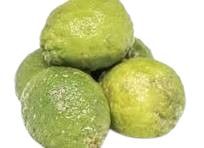
Common names (including Nigerian)
- English: Lemon.
- French: Citron
- Spanish: Limón
- German: Zitrone
- Chinese: Ningméng (柠檬)
- Italian: Limone
- Yoruba: Ọ̀sàn wẹ́wẹ́, Ọsan gaingain, Ọsan ijaganin, or Opoto oyinbo (sometimes overlapping with lime terms).
- Igbo: Oloma ogbe, or Oroma na gbakasi onu.
- Hausa: Lemun tsami, Lemu tsami, or Leemu.
It is widely available in Nigerian markets as a fresh fruit for culinary and medicinal purposes, often distinguished from the smaller, greener lime (Citrus aurantifolia).
Health Benefits
Citrus limon is highly nutritious, being an excellent source of vitamin C (ascorbic acid), along with flavonoids (e.g., hesperidin, eriocitrin), limonoids, citric acid, essential oils (primarily limonene), phenolics, and soluble fiber. These compounds drive its antioxidant, anti-inflammatory, and antimicrobial properties.
Key benefits supported by traditional use and scientific studies include:
- Cardiovascular and Metabolic Health: Flavonoids and hesperidin support better endothelial function, may lower blood pressure, improve lipid profiles, and reduce stroke/heart disease risk. Epidemiological studies associate citrus fruit intake with reduced risk of various chronic diseases. Small clinical trials have demonstrated that lemon juice can lower the glycemic response when consumed with carbohydrate-rich foods (e.g., bread), likely by increasing gastric contents and slowing gastric emptying. Animal studies also suggest a cardioprotective role, showing prolonged bleeding and thrombin times.
- Kidney Stone Prevention: Lemon juice is rich in citrate, which binds with calcium in the urine, helping to prevent the formation of calcium oxalate kidney stones. A small clinical study using 120 mL of concentrated lemon juice diluted in 2 L of water daily demonstrated beneficial effects on urinary metabolic parameters in patients with hypocitraturic calcium nephrolithiasis.
- Antioxidant and Anti-inflammatory Effects: The flavonoids and phenolic acids in lemon exhibit potent antioxidant activity, scavenging free radicals and reducing oxidative stress. Animal studies have confirmed anti-inflammatory and analgesic actions of lemon essential oil and ethanolic peel extract, with antinociceptive properties comparable to diclofenac.
- Antimicrobial and Antiparasitic Activity: Lemon peel extracts, juice, and essential oils have demonstrated significant activity against a range of pathogens, including Escherichia coli, Staphylococcus aureus (including multidrug-resistant strains), Klebsiella pneumonia, Salmonella typhi, and Vibrio cholerae. Antifungal activity against Aspergillus mold and Malassezia furfur has also been reported, along with antileishmanial and anthelmintic effects in laboratory studies.
- Digestive Health and Anti-ulcer Effects: A review of animal and in vitro data indicates that lemon juice, essential oil, and limonene provide protection for the gastric mucosa against ulcers. In Nigerian traditional medicine, lemon is used to improve digestion and relieve symptoms of indigestion and bloating. It may help with weight management; it supports blood sugar regulation and has anti-obesity potential in studies.
- Immune Support and Respiratory Health: The high vitamin C content supports immune function and helps prevent common colds and infections. In Romanian and Trinidadian traditional medicine, lemon essential oil and juice have been used to suppress coughs and treat sore throats and fevers. Recent clinical research also shows aromatherapy with lemon essential oil provided relief from nausea and vomiting in 73% of applications in advanced cancer patients receiving palliative care.
- Neuroprotective Potential: In vitro studies suggest that lemon flavonoids and limonoids may inhibit acetylcholinesterase (AChE) and butyrylcholinesterase (BChE), enzymes involved in neurodegenerative diseases such as Alzheimer’s, indicating potential neuroprotective properties.
- Other: Potential anticancer (apoptosis induction in lab studies), hepatoprotective, antiparasitic, and mood-enhancing (via aromatherapy) properties. Lemon may also help with anemia (by enhancing iron absorption) and skin health.
- Additional Traditional Uses: In traditional medicine systems worldwide, lemon has been used to treat high blood pressure, rheumatism, chest pain, irregular menstruation, scurvy, and as a gargle for sore throats .
Nigerian Medicinal Uses:
In Nigeria, Citrus limon (lemon) is valued in traditional ethnomedicine across ethnic groups, often using the juice, leaves, or fruit in simple home remedies. It overlaps with lime in some practices but is noted for its stronger acidity.
- Deworming (anti-parasitic): A classic and widely cited use is taking two tablespoonfuls of fresh lemon juice before meals as a traditional dewormer. This is noted in ethnobotanical surveys across Nigeria, including those referencing Yoruba herbal sellers and common practices for expelling intestinal worms.
- Cough, sore throat, and respiratory relief: Fresh lemon juice is mixed with honey or warm water and taken orally to soothe coughs, relieve chest colds, and ease throat irritation. It is often incorporated into herbal teas or syrups for respiratory discomfort.
- Typhoid and febrile illnesses: Lemon fruit is boiled together with garlic (àyù) and ginger (ata-ile) paste for about 30 minutes; the decoction is taken twice daily (sometimes with a wine glass measure) as a supportive remedy for typhoid-like symptoms and fever. Leaf or fruit infusions also appear in some multi-herbal preparations for general fever management.
- Malaria and fever support: Although less frequently the primary plant than lime in some surveys, lemon fruit or leaves feature in ethnobotanical records from Kwara State and southwestern Nigeria for malaria treatment or symptom relief. It is sometimes included in cocktails with other herbs.
- Digestive and stomach ailments: Lemon juice helps with indigestion, stomach upset, bloating, and related gastrointestinal issues. It is taken diluted or as part of digestive aids, acting as a mild appetite stimulant or cleanser.
- External and skin applications: Fresh lemon juice is applied topically for acne, pimples, skin rashes, mouth ulcers, toothache, cuts, or wounds due to its antiseptic and astringent properties. It is sometimes used as a facial cleanser or to reduce dark spots and itching.
- Other uses: Lemon appears in remedies for immune boosting, weight management support (juice with warm water or honey), and as an enhancer in various àgbo concoctions. In some contexts, it is combined with local ingredients for detoxification or general wellness during illness.
Other benefits
Lemon is a valuable economic crop supporting farmers in suitable climates. The tree offers ornamental value, shade in gardens, and supports pollinators.
- Culinary Uses: Lemon juice and zest are widely used to flavour beverages, dishes, and preserves. The juice serves as a natural preservative due to its acidic and antimicrobial properties. Lemon is also used to make lemonade, marmalade, and as a key ingredient in salad dressings and marinades.
- Cosmetic and Skincare Applications: Lemon essential oil and extracts are popular in cosmetology for their astringent, brightening, and antioxidant properties . Traditionally, lemon juice has been applied externally for acne, sunburn, and warts, though some historical uses (such as fading tattoos with sunlight) have been disproven .
- Household Uses: Lemon can be used to remove fishy odours from hands and surfaces, eliminate refrigerator odours, and clean stains . The peel and pulp are also used in the production of pectin and essential oil. Peel waste is also used for animal feed,
- Industrial and Biotechnological Applications: Lemon by-products (peel, pulp, seeds) are valorized for the production of essential oils, pectin, and nutraceuticals. Recent research also explores the use of lemon extracts in green nanotechnology for the synthesis of metal nanoparticles with biomedical applications.
How it is used
- As Food:
- Juice: Freshly squeezed lemon juice is consumed as a beverage, added to water (hot or cold), or used as a flavoring agent in cooking and baking.
- Zest: The outer yellow rind is grated and used to flavor cakes, sauces, and marinades.
- Preserved Fruit: Whole lemons or lemon slices can be preserved in salt or brine (e.g., Moroccan preserved lemons) for use in tagines and stews.
- As Medicine (Traditional Preparations):
- Lemon Juice: Consumed orally (diluted in water) for immune support, kidney stone prevention, and digestive health. A common traditional dose for inducing menstruation in Indian medicine is two teaspoons twice a day .
- Lemon Essential Oil: Used in aromatherapy diffusers for nausea relief, stress reduction, and respiratory support . Can be diluted with a carrier oil for topical application (though caution is needed due to phototoxicity).
- Decoction/Infusion: Lemon peel or leaves can be boiled in water to make a tea for fevers, coughs, and digestive complaints.
- Topical Application: Diluted lemon juice has been applied to skin for acne and as an astringent .
- Other Uses: Lemon slices are added to water for hydration and flavour; lemon juice is used as a natural cleaning agent and deodorizer.
Nigerian Preparations (Typically simple and home-based):
- Fresh juice (2 tablespoons) is taken before meals for deworming or mixed with honey/warm water for cough and digestion.
- Fruit is boiled in decoctions (often with garlic and ginger for fever/typhoid).
- Leaves or whole fruit may be infused or decocted for oral intake.
- Juice is applied externally for skin issues or mouth ulcers.
- Leaves or fruit feature in àgbo for broader wellness.
Side Effects/Caution
While Citrus limon is generally recognized as safe (GRAS) when consumed in food amounts, several precautions should be observed:
- Dental Erosion: The high acidity of lemon juice can erode tooth enamel over time. To minimize damage, drink lemon juice diluted with water, use a straw, rinse the mouth with plain water afterward, and avoid brushing teeth immediately after consumption.
- Gastroesophageal Reflux Disease (GERD): Citrus juice, including lemon, is often implicated in worsening symptoms of heartburn and acid reflux in susceptible individuals .
- Phototoxicity (Phytophotodermatitis): Lemon essential oil and peel contain furocoumarins that can cause severe skin reactions (blisters, hyperpigmentation, burns) when the skin is exposed to sunlight (UV radiation) after contact. Avoid sun exposure on areas where lemon essential oil or peel has been applied .
- Allergic Reactions: Although rare, anaphylactic allergy to lemon (e.g., from lemon soap or ingestion) has been reported . Symptoms may include itching, swelling, or difficulty breathing.
- Medication Interactions: While not well-documented for lemon specifically, grapefruit (a related citrus) has well-known interactions with many medications (statins, blood pressure drugs, anti-anxiety medications). Caution is advised when consuming large amounts of lemon juice while taking prescription medications .
- Pregnancy and Lactation: Lemon is safe in food amounts. However, avoid dosages greater than those found in food during pregnancy or breastfeeding, as safety and efficacy for medicinal use are unproven .
- Bladder Irritation: The American Urology Association’s 2022 guideline notes that citrus products are known common bladder irritants and should be avoided by patients with interstitial cystitis/bladder pain syndrome .
References
“Citrus limon (PROSEA).” PlantUse, plantuse.plantnet.org/en/Citrus_limon_(PROSEA). Accessed 6 Apr. 2026.
“Lemon.” Drugs.com, 19 Nov. 2025, www.drugs.com/npp/lemon.html.
“Orombo Wewe (Lime) and Its Medicinal Uses.” Yoruba Library, 19 July 2024, www.yorubalibrary.com/forum/plants_and_herbs/2024/july/19/lime_orange.html.
“图文详情——科普中国资源服务.” 科普中国, 19 Feb. 2026, cloud.kepuchina.cn/h5/detail?id=7424300013256753152.
“柠檬.” 百度百科, 20 Feb. 2026. 科普中国, cloud.kepuchina.cn/h5/detail?id=7424300013256753152.
“柠檬.” 農業部桃園區農業改良場, www.tydares.gov.tw/ws.php?id=8715&print=Y. Accessed 6 Apr. 2026.
“Citrus × limon.” Missouri Botanical Garden Plant Finder, www.missouribotanicalgarden.org/PlantFinder/PlantFinderDetails.aspx?kempercode=b548. Accessed 6 Apr. 2026.
“Citrus limon (Lemon).” North Carolina Extension Gardener Plant Toolbox, plants.ces.ncsu.edu/plants/citrus-x-limon/. Accessed 6 Apr. 2026.
“6 Evidence-Based Health Benefits of Lemons.” Healthline, 11 Apr. 2023, www.healthline.com/nutrition/6-lemon-health-benefits. Accessed 6 Apr. 2026.
“Food as Medicine: Lemon (Citrus × limon, Rutaceae).” HerbalGram, American Botanical Council, 2024.
“Survey of Ethnobotanical Cocktails Commonly Used in the Treatment of Malaria in Southwestern Nigeria.” ResearchGate or equivalent journal, 2021.
Aiyeloja, A. A., and O. A. Bello. “Ethnobotanical Potentials of Common Herbs in Nigeria: A Case Study of Enugu State.” Educational Research and Reviews, vol. 1, no. 1, 2006, pp. 16–22.
Apollo 24|7. “Citrus Fruits and Their Health Considerations.” Apollo 24|7, 13 Jan. 2026, www.apollo247.com/health-topics/general-medical-consultation/citrus-fruits-and-their-health-considerations.
Burkill, H. M. The Useful Plants of West Tropical Africa. Royal Botanic Gardens, Kew, 1985.
Enejoh, O. S., et al. (or similar Nigerian ethnobotanical sources on Citrus species). Additional reviews on lemon phytochemistry and pharmacology.
Evbuomwan, I. O., et al. “Indigenous Medicinal Plants Used in Folk Medicine for Malaria Treatment in Kwara State, Nigeria.” PMC, 2023, pmc.ncbi.nlm.nih.gov/articles/PMC10504731/. Accessed 6 Apr. 2026. (Mentions Citrus limon fruit for malaria support.)
González-Molina, E., et al. “Bioactive Compounds in Citrus Fruits.” Journal of Agricultural and Food Chemistry, vol. 58, no. 12, 2010, pp. 6510–6518.
Klimek-Szczykutowicz, M., et al. “Citrus limon (Lemon) Phenomenon—A Review of the Chemistry, Pharmacological Properties, Applications in the Modern Pharmaceutical, Food, and Cosmetics Industries, and Biotechnological Studies.” Plants, vol. 9, no. 1, 2020, pmc.ncbi.nlm.nih.gov/articles/PMC7020168/. Accessed 6 Apr. 2026.
Ladaniya, M. S. Citrus Fruit: Biology, Technology and Evaluation. Academic Press, 2008.
Odugbemi, T. O., et al. “Medicinal Plants Useful for Malaria Therapy in Okeigbo, Ondo State, Southwest Nigeria.” African Journal of Traditional, Complementary and Alternative Medicines, 2007 (or related ethnobotanical sources).
Okwu, D. E. “Phytochemical and Vitamin Content of Indigenous Citrus Species in Nigeria.” International Journal of Molecular Medicine and Advance Sciences, vol. 4, no. 1, 2008, pp. 1–6.
USDA. FoodData Central: Lemons, Raw. U.S. Department of Agriculture, 2023.
Zahid, Muhammad Usman, et al. “Phytochemical Diversity and Functional Food Relevance of Citrus limon and Citrus limetta.” Food Bioscience, vol. 76, Feb. 2026, p. 108267. ScienceDirect, www.sciencedirect.com/science/article/abs/pii/S2212429226000398.