
Names:
- General: Scent Leaf, Clove Basil; Fever leaf
- Hausa: Daidoya
- Ibibio: Ntong
- Igbo: Nchuanwu, Arigbe
- Yoruba: Efirin
Description:
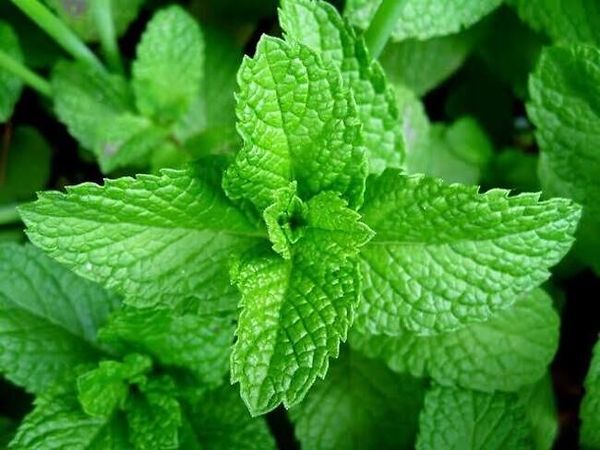
Ocimum gratissimum is an aromatic, perennial plant, with erect stem, belonging to the family Lamiaceae and native to Africa. It is an herbaceous plant with woody main stems branching into a sub-shrub which can attain a height of up to three metres and has a large canopy depending on the soil quality in its habitat. The leaves are slender, pubescent; blade elliptical to ovate, 1.5-16cm by 1-8.5cm and hairy on the lower and upper surfaces. The inflorescence is arranged in a terminal (simple or branched) and continues to grow through lateral branches. The Fruit consist of dry, seeded nutlets enclosed in the persistent calyx. The seeds are fertile and are copious. It has a unique ubiquity in vegetation patches around homes.
Cultivation/Propagation
- The plant is often cultivated as a hedge plant.
- The seeds grow very easily and the cuttings are also used for propagation.
Medicinal Benefits
Ocinum gratissinum (Scent Leaf) is used by many traditions because of the following attributes and benefits:
- Used for the management of the following:
- Treatment of Upper respiratory tract infections; Pneumonia; Cough; Influenza; Cold; and Headaches.
- Treatment of Hemorrhoids; Diarrhoeal diseases; Urinary Tract Infections; and Skin diseases.
- Treatment of ophthalmic diseases like conjunctivitis.
- Possesses Antioxidant; Cardiovascular protective; Anticholesterolemic; Antidiabetic properties.
- Aids digestion and body metabolism; Promotes wound healing; and Promotes Oral Health
- Possesses antimicrobial; Antibiotic; Antibacterial; Antifungal; Antidiarrheal and Larvicidal properties.
- Improves vision; Promotes Skin Health and Treats wound; and Aids Smokers.
- Boosts lactation; promotes fertility and cures infertility
- Possesses Antipyretic; Anti-inflammatory
- Glucose-lowering; Stomachic.
Other Benefits:
- The oil obtained from the leaves can refresh and relax the body, and be used for making aromatics like soaps, body lotions, ointments, essence perfumes, lozenges, and essential oils used for aromatherapy and massage.
- It is used as an ingredient for making various dishes: pepper soup, yam porridge, plantain porridge, jollof rice, beans, ukwa, ogbono soup, Egusi soup; Ofe Akwu, etc.
- It repels insects at home and is used for protecting crops.
- It is used as a food preservative.
How it is Used:
- Scent leaf can be consumed in any form: eaten raw, cooked (with or without food), or by taking the extract. It can be brewed as tea or juiced.
- A decoction from a mixture of Scent leaf and Bitter Leaf is used for the treatment of Malaria and other fevers; hemorrhoid; and Gonorrhea.
- When mashed into a paste, it is used for skincare and treatment of ringworm and other skin diseases.
- The stem is used as a chewing stick. to treat bad breath and to prevent tooth decay.
- The decoction of the leaf is used for the management of the following conditions:
- Improvement of eye vision and treatment of Xerophthalmia (the abnormal dryness of the conjunctiva and cornea of the eye, with inflammation and ridge formation, typically associated with vitamin A deficiency.)
- Upper respiratory tract infections, including cough, and Repair of damages in the body caused by smoking and nicotine.
- Improvement of Heart Functions, Prevention of Heart Diseases, Reduction of Blood Sugar and Cholesterol.
- Facilitation of Erection, Strengthening of Sperm Vitality and Prevention of Infertility.
- Stomach aches, Dysentery, Diarrhoeal diseases, fever, Pains, and Vomiting.
- Menstrual cramps, and Promotion of Breast Milk Production.
- Douching in vaginitis, and ripening and healing of boils.
- Improvement of milk production in nursing mothers.
- Relief of bloating and treatment of indigestion.
- Relief of heartburn.
Reported Side Effects/Caution:
- There are no reported adverse effects from the intake of Scent leaf, however it may have abortifacient effects so it should be taken with caution in pregnancy.
References:
- https://www.ncbi.nlm.nih.gov/pmc/articles/PMC8642617/#:~:text=In%20traditional%20medicine%2C%20Ocimum%20gratissimum,and%20fungal%20and%20bacterial%20infections.
- https://www.linkedin.com/pulse/20-health-benefits-scent-leaves-you-should-know-romoke-olisa/
- https://tribuneonlineng.com/eight-health-benefits-of-scent-leaf-you-should-know/
- https://punchng.com/the-medicinal-values-of-scent-leaf-ocimum-gratissimum/