
Description
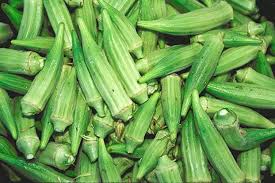
Abelmoschus esculentus, commonly known as okra or lady’s finger, is a flowering plant in the mallow family (Malvaceae). Physically, okra is a perennial often cultivated as an annual in temperate climates, growing to around 2 meters (6 ft 7 in) tall, though it can reach 2-4 meters in tropical conditions. It has leaves 10–20 cm (4–8 in) long and broad, palmately lobed with 5–7 lobes; flowers 4–8 cm (1.5–3 in) in diameter with five white to yellow petals, often with a red or purple spot at the base; and fruit that is a capsule up to 18 cm (7 in) long with a pentagonal cross-section, containing numerous seeds. When sliced, the pods exude a characteristic thick, slimy mucilage, which is a key feature in its culinary and medicinal uses. The pods are mucilaginous due to soluble fiber and become fibrous if not harvested immature. Okra thrives in tropical, subtropical, and warm temperate regions, being heat- and drought-tolerant, preferring soil pH 5.8-7, ample sunlight, and temperatures at least 20°C (68°F) for germination. It is susceptible to frost, diseases like verticillium wilt, powdery mildew, yellow mosaic virus, and pests like root-knot nematodes. World production in 2023 was 11.5 million tonnes, led by India (62%), Nigeria, Mali, Sudan, and Pakistan. Chemically, okra contains polyphenolic compounds, carotene, folic acid, vitamins (thiamine, riboflavin, niacin, C), minerals (potassium, calcium, magnesium), dietary fiber, unsaturated fatty acids (oleic, linoleic), flavonoids (quercetin derivatives like QDG, QG, isoquercetin), and polysaccharides (rhamnogalacturonan, pectin).
Other Names
- English: Okra, Lady’s Finger, Gumbo
- Spanish: Okra, Quimbombó, Molondrón
- French: Gombo, Okra
- Hindi: Bhindi (भिंडी)
- Arabic: Bāmyah (بامية)
- Mandarin Chinese (中文): Qiū kuí (秋葵)
- Portuguese: Quiabo, Quingombó
- German: Okra, Gemüse-Eibisch
- Yoruba: Ilá
- Hausa: Kubewa
- Igbo: Okwuru
- Swahili: Bamia
Health Benefits
Okra is a nutrient-dense vegetable, low in calories and rich in vitamins, minerals, and unique dietary fibers, contributing to several health benefits.
- Rich in Nutrients: It has numerous health benefits due to its rich nutrient profile, including vitamins (A, C, K, B6, thiamine, riboflavin, niacin, folate), minerals (magnesium, manganese, potassium, calcium, iron, phosphorus, copper), antioxidants (polyphenols, flavonoids like quercetin and catechins, lectin), dietary fiber, and unsaturated fats. Okra is an excellent source of Vitamin C, Vitamin K, and folate.
- Blood Sugar Management: The unique combination of soluble fiber (mucilage) and insoluble fiber in okra helps regulate blood sugar levels. The mucilage can slow down the absorption of sugar in the digestive tract, leading to a more gradual rise in blood glucose levels. Some studies suggest that compounds in okra may improve insulin sensitivity.
- Digestive Health: The high fiber content promotes healthy digestion. The mucilage acts as a prebiotic, feeding the beneficial bacteria in the gut, while the insoluble fiber adds bulk to stool, helping to prevent constipation and maintain a healthy digestive system.
- Heart Health: The soluble fiber in okra can help lower blood cholesterol by binding to cholesterol in the intestine and preventing its absorption. The antioxidant and anti-inflammatory properties, primarily from its flavonoid and polyphenol content, also contribute to cardiovascular protection by reducing oxidative stress and hypertension.
- Powerful Antioxidants: Okra contains important antioxidants, including flavonoids such as quercetin and catechin and polyphenols like isoquercetin. These compounds combat free radicals in the body, reducing cellular damage and inflammation, which is linked to chronic diseases.
- Beneficial for Pregnancy: The high folate (Vitamin B9) content is crucial for preventing neural tube defects in the developing fetus, making okra a valuable vegetable in a prenatal diet.
- Weight Management: Its low calorie and high fiber content increase satiety and may support weight reduction in obese individuals.
- Renal Protection: Studies have shown that okra may reduce nephrotoxicity and protect kidney tissues from oxidative damage.
- Immune Support: The vitamin C and antioxidant profile of okra boosts immune function and helps the body resist infections.
- Cancer Prevention Potential: Anticancer properties include lectin inhibiting breast cancer cell growth (up to 63% reduction, 72% cell death in labs) and potential prevention of breast, cervical, pancreatic, lung cancers via folate.
- Other benefits: anti-fatigue, hepatoprotective, neuroprotective, analgesic, antiulcer, antibacterial (e.g., against H. pylori), cardioprotective, renal protective; may mitigate malnutrition in developing countries.
Other Benefits
- Seed Oil: Okra seeds are rich in oil (up to 40%) and protein. The oil, which is high in unsaturated fats like linoleic and oleic acid, can be used for cooking or as a source of biodiesel. Roasted okra seeds have also been used as a caffeine-free coffee substitute.
- Industrial Use: The mucilaginous property of okra has been explored for use as a natural non-toxic binder in pharmaceutical tablets, a clarifying agent in the sugar industry, and as a bio-coagulant in wastewater treatment.
- Nutritional Value: Okra is a rich source of vitamins, minerals, and antioxidants, contributing to overall nutritional balance.
- Ornamental Value: With its attractive hibiscus-like flowers, the plant can also be grown in gardens for its aesthetic appeal.
- Cosmetic and Skin Care: The mucilage is used in traditional beauty treatments for moisturizing and rejuvenating the skin.
- Agricultural Use: It is a major crop in tropical regions, drought- and heat-tolerant, suitable for heavy clay soils, and economically vital with 11.5 million tonnes produced in 2023, supporting livelihoods in India, Nigeria, and others. Okra plants can improve soil health through organic matter accumulation and crop rotation benefits.
- Animal Feed: The plant residues and seeds serve as supplementary feed in livestock nutrition.
How it is Used
Okra is a versatile ingredient used in cuisines worldwide, though its preparation methods vary to either capitalize on or minimize its slimy texture.
- Culinary Uses:
- Whole Pods: Young, tender pods can be steamed, boiled, or pickled whole. These immature pods are cooked in soups, stews, and sauces, commonly used in African and Asian cuisines. Okra can be boiled, fried, roasted, or dried and ground into flour.
- Sliced (for Gumbo and Stews): Slicing okra releases its mucilage, which acts as a natural thickener in dishes like the famous Southern U.S. Gumbo, as well as in various Indian curries (e.g., sambar, bhindi masala) and West African stews.
- Fried: Coating okra in cornmeal or chickpea flour and deep-frying or pan-frying is a popular method to eliminate the slimy texture, resulting in a crispy exterior (e.g., bhindi fry).
- Roasted/Grilled: Roasting whole pods at high heat caramelizes their natural sugars and reduces mucilage.
- Leaves: In some cultures, the young leaves of the okra plant are eaten as a leafy green vegetable, similar to spinach or beet greens.
- Medicinal Preparations:
- Okra Water: Sliced okra pods are soaked in water overnight, and the water is consumed the next morning. This traditional remedy is popularly believed to help manage blood sugar levels, though scientific evidence for this specific preparation is limited.
- Decoctions or infusions: The decoctions or infusions of okra pods, leaves, or seeds are used traditionally to treat ulcers, sore throat, and digestive ailments.
- Nutraceutical Form: Okra seed powder and extracts are included in dietary supplements aimed at blood sugar and cholesterol regulation.
- Topical Application: The mucilage is sometimes applied to wounds or inflamed skin areas for soothing and healing effects.
Side Effects / Caution
Okra is safe for most people when consumed in normal food amounts. However, a few considerations exist:
- Oxalate Content: Okra contains oxalates, which in high concentrations can contribute to the formation of kidney stones in susceptible individuals. People with a history of calcium-oxalate kidney stones may need to moderate their intake.
- Solanine Content: Okra contains solanine, a compound also found in nightshades. While the level is generally low and not a concern for most, individuals with solanine sensitivity or inflammatory conditions like arthritis may experience aggravated symptoms if they consume large quantities.
- Gastrointestinal Issues: The high fructan content (a type of carbohydrate) in okra can cause gas, bloating, cramping, or diarrhea in some individuals, particularly those with irritable bowel syndrome (IBS) or sensitive digestive systems.
- Interaction with Blood Thinners: Okra is rich in Vitamin K, which plays a key role in blood clotting. Individuals taking blood-thinning medications like warfarin (Coumadin) should maintain a consistent intake of Vitamin K-rich foods to avoid interfering with their medication’s effectiveness. Sudden large changes in okra consumption should be avoided.
- Allergic Reactions: Some people may develop contact dermatitis or allergic symptoms upon handling or eating okra. Individuals allergic to latex may experience hypersensitivity reactions when exposed to okra.
- Drug Interaction: Those with diabetes, bleeding disorders, kidney issues, or on medications should consult a professional for those advice for use as medicine.
References
- Adegoke, A. A., et al. “Phytochemical Composition and Therapeutic Potentials of Abelmoschus esculentus (Okra): A Review.” Journal of Medicinal Plants Studies, vol. 7, no. 6, 2019, pp. 23–30.
- Gemede, H. F., and N. Ratta. “Antinutritional Factors in Plant Foods: Potential Health Benefits and Adverse Effects.” International Journal of Nutrition and Food Sciences, vol. 3, no. 4, 2014, pp. 284–289.
- Kumar, D., et al. “Okra (Abelmoschus esculentus): A Potential Functional Food for Health and Nutrition.” Journal of Pharmacognosy and Phytochemistry, vol. 6, no. 6, 2017, pp. 196–204.
- Ngoc, T. M., et al. “Antidiabetic and Antioxidant Activities of Okra (Abelmoschus esculentus) Extracts.” Food Science & Nutrition, vol. 8, no. 2, 2020, pp. 1050–1060.
- Sabitha, V., et al. “Antidiabetic and Antihyperlipidemic Potential of Abelmoschus esculentus (L.) Moench in Streptozotocin-Induced Diabetic Rats.” Journal of Pharmacy and Bioallied Sciences, vol. 3, no. 3, 2011, pp. 397–402.
- Singh, R., et al. “Nutritional and Functional Properties of Okra: A Review.” International Journal of Current Microbiology and Applied Sciences, vol. 8, no. 5, 2019, pp. 2273–2284.
- Zhang, T., et al. “Protective Effect of Okra Polysaccharides on Kidney Injury in Diabetic Mice.” Food & Function, vol. 10, no. 6, 2019, pp. 3209–3220.
- “Abelmoschus esculentus (L.): Bioactive Components’ Beneficial Properties—Focused on Antidiabetic Role—For Sustainable Health Applications.” PMC, pmc.ncbi.nlm.nih.gov/articles/PMC6337517/. Accessed 20 Oct. 2025.
- “Abelmoschus esculentus Common Name- Okra, Lady’s Fingers…” Facebook, www.facebook.com/groups/gardenflowersandplants/posts/31209337988664621/. Accessed 20 Oct. 2025.
- “Health Benefits of Okra.” WebMD, www.webmd.com/diet/health-benefits-okra. Accessed 20 Oct. 2025.
- “M.M.P.N.D. – Sorting Abelmoschus Names.” University of Melbourne, www.plantnames.unimelb.edu.au/Sorting/Abelmoschus.html. Accessed 20 Oct. 2025.
- “Okra.” Harvard T.H. Chan School of Public Health, The Nutrition Source, www.hsph.harvard.edu/nutritionsource/food-features/okra/. Accessed 23 Oct. 2023.
- “Okra.” Wikidoc, www.wikidoc.org/index.php/Okra. Accessed 20 Oct. 2025.
- “Okra.” Wikipedia, en.wikipedia.org/wiki/Okra. Accessed 20 Oct. 2025.
- “Okra: Nutrition, Benefits, and Recipe Tips.” Medical News Today, www.medicalnewstoday.com/articles/311977. Accessed 20 Oct. 2025.
- Gemede, Habtamu Fekadu, et al. “Nutritional Quality and Health Benefits of Okra (Abelmoschus esculentus): A Review.” Journal of Food Processing & Technology, vol. 6, no. 3, 2015, p. 458. doi:10.4172/2157-7110.1000458.
- Petropoulos, Spyridon, et al. “Chemical Composition and Antioxidant Properties of Okra.” Food and Nutritional Components in Focus, The Royal Society of Chemistry, 2020, pp. 279-299. doi:10.1039/9781839160732-00279.
- Sami, Rokaia, et al. “The Potential Use of Okra as a Functional Food: A Review.” Journal of Food Science and Nutrition Research, vol. 4, no. 1, 2021, pp. 021-031.
- Xia, Fei, et al. “Physicochemical and Nutritional Characteristics of Okra and Its Application in Food Products: A Review.” Food Reviews International, vol. 38, no. 6, 2022, pp. 1173-1194. doi:10.1080/87559129.2020.1780190.