
The Unassuming Asthma Plant with Potent Healing Powers
Description
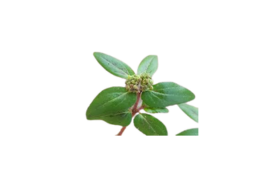
Often overlooked as a common garden weed, Euphorbia hirta is a plant that carries a powerful medicinal legacy within its delicate, hairy stems. Native to tropical and subtropical regions, this small, reddish-tinged herb has been a fixture in traditional medicine systems across the globe, from the Philippines and India to Africa and Central America. Modern scientific inquiry is now catching up, validating many of its traditional uses by identifying a complex array of bioactive compounds.
Other Names
- English: Asthma Plant, Asthma Weed, Snakeweed
- French: Euphorbe, Herbe de lait.
- Ayurvedic: Dudhi, Dugdhika.
- Chinese: Fei-yang-cao (飞扬草)
- Hausa: Nonon kurciya
- Yoruba: Ewe Emi
- Igbo: Ogo Igbo
Health Benefits
Euphorbia hirta is valued in traditional medicine for its diverse pharmacological properties, attributed to its rich phytochemical content, including flavonoids (quercetin, kaempferol), tannins, alkaloids, terpenoids, and phenolic acids. Below are its key health benefits, supported by scientific studies:
- Anti-inflammatory Properties: Extracts of Euphorbia hirta, particularly from leaves and stems, reduce inflammation in conditions like arthritis and skin disorders. Studies in animal models show decreased inflammatory markers, supporting its use for pain and swelling relief.
- Antimicrobial Activity: The plant exhibits antibacterial effects against pathogens like Escherichia coli, Staphylococcus aureus, Pseudomonas aeruginosa, and Salmonella typhi, and antifungal activity against Candida albicans. Ethanol and aqueous extracts are effective in treating infections, including those of the skin and urinary tract.
- Antidiarrheal Effects: Euphorbia hirta is widely used to manage diarrhea, with studies confirming that its leaf extracts (e.g., quercetin) reduce intestinal motility and fluid secretion in animal models, comparable to standard drugs like loperamide.
- Antioxidant Properties: The plant’s flavonoids and phenolic compounds scavenge free radicals, reducing oxidative stress linked to chronic diseases like cancer and diabetes. Methanol extracts of Euphorbia hirta show significant antioxidant activity in vitro.
- Antimalarial Activity: Ethanol extracts of the plant have demonstrated antiplasmodial effects against Plasmodium falciparum and Plasmodium berghei, supporting its traditional use in malaria treatment in Africa and Asia.
- Respiratory Relief: This is its most celebrated use. It acts as a bronchodilator and expectorant, helping to relax the bronchial muscles and clear mucus from the airways. It is traditionally used to treat asthma, bronchitis, chronic coughs, and hay fever.
- Wound Healing: The plant’s antimicrobial and anti-inflammatory properties promote wound healing. Topical application of leaf extracts enhances tissue regeneration and prevents infection in animal studies.
- Dengue Fever Support (Traditional Use): In the Philippines, a decoction of tawa-tawa is widely used as a complementary treatment for dengue fever. It is believed to help increase platelet count and alleviate symptoms, although patients must still seek urgent hospital care. Scientific studies on its efficacy for this specific use are ongoing.
- Gastrointestinal Aid: The plant is effective in treating various digestive disorders due to its antispasmodic properties. It is used to combat diarrhea, dysentery, intestinal parasites, and stomach aches.
- Antidiabetic Potential: Euphorbia hirta extracts have shown hypoglycemic effects in diabetic rat models, reducing blood glucose levels and improving insulin sensitivity, likely due to flavonoids and polyphenols.
- Analgesic Effects: The plant’s extracts reduce pain in animal models, supporting its traditional use for headaches, toothaches, and abdominal pain.
- Reproductive Health – Traditionally applied to regulate menstrual cycles and manage menstrual pain.
- Immunomodulatory Effects: Euphorbia hirta enhances immune function, with studies showing increased phagocytic activity and lymphocyte proliferation, aiding in infection resistance.
Other Benefits
Beyond its medicinal uses, Euphorbia hirta offers additional benefits:
- Environmental Role: As a hardy weed, it grows in disturbed soils, aiding in soil stabilization and preventing erosion in degraded areas.
- Insect Repellent: The plant’s volatile compounds, such as terpenoids, repel insects like mosquitoes, making it useful in preventing vector-borne diseases like dengue and malaria.
- Agricultural Use: Euphorbia hirta’s antimicrobial and larvicidal properties make it a natural pesticide for crops and livestock, reducing reliance on synthetic chemicals. Used in treating livestock ailments, particularly gastrointestinal problems.
- Cultural Uses: In some cultures, the plant is used in rituals or as an ornamental plant due to its small, attractive flowers.
- Veterinary Medicine: In some cultures, the latex is applied to skin ulcers and sores on animals.
- Ornamental Value: Grown as a ground cover in some gardens due to its hardy nature.
- Dye: The reddish sap can be used as a dye.
How It Is Used
The whole plant is used medicinally, typically harvested when it is in flower. The most common methods of application are:
- Decoction (Tea): The most common method for internal use. The fresh or dried plant is boiled in water for 10-15 minutes. This tea is consumed for respiratory issues, dengue support, fever, and digestive problems. The dosage is critical and should be guided by a practitioner.
- Poultice: The entire plant is crushed into a paste and applied directly to the skin to treat boils, wounds, warts, skin infections, and rheumatism.
- Latex (Sap): The milky white latex is applied topically for the removal of warts and corns. Caution: This sap can be highly irritating to the skin and eyes and should not be ingested.
- Juice: The fresh plant is pounded and the extracted juice is taken orally in very small, controlled doses for conditions like asthma.
- Powder: The dried plant can be ground into a powder and encapsulated or used in formulations.
- Inhalation: Dried leaves may be smoked or inhaled for asthma relief in some traditional practices.
- Tinctures and Extracts: Ethanol or aqueous extracts are used in traditional and modern herbal medicine for their antimicrobial, anti-inflammatory, and analgesic effects.
- Traditional Formulations: In Ayurveda and Filipino traditional medicine, Euphorbia hirta is combined with other herbs to treat dengue fever, dysentery, and skin disorders.
Side Effects/Caution
While powerful, Euphorbia hirta must be used with extreme caution due to its potentially toxic components.
- Toxic Latex: The milky sap (latex) is a known irritant. Contact with skin can cause redness, rash, itching, and blisters. Contact with the eyes can cause severe pain and temporary blindness. It should never be ingested in its raw, unprocessed form.
- Pregnancy and Breastfeeding: It is absolutely contraindicated for pregnant women as it can stimulate uterine contractions and potentially cause miscarriage. It should also be avoided while breastfeeding.
- Gastrointestinal Distress: Even when prepared as a tea, overconsumption can lead to nausea, vomiting, and diarrhea.
- Dosage is Critical: The line between a therapeutic and a toxic dose can be thin. Self-medication is strongly discouraged.
- Drug Interactions: Due to its effects on blood sugar and potential physiological activity, it may interact with diabetes medication, blood pressure drugs, and other herbs. Always consult a doctor.
Always consult a healthcare professional before using Euphorbia hirta, especially for internal use or in combination with medications.
References
- Adedapo, A. A., et al. Anti-inflammatory and analgesic activities of the aqueous extract of Euphorbia hirta Linn. Inflammopharmacology, vol. 13, no. 5–6, 2005, pp. 399–405.
- Ahmad, Mushtaq, et al. Phytochemical and Pharmacological Applications of Euphorbia hirta: A Review. Journal of Pharmacy and Pharmacology, vol. 71, no. 1, 2019, pp. 4-12. DOI: 10.1111/jphp.13058.
- Basma, A. A., et al. Antioxidant Activity and Phytochemical Screening of the Methanol Extracts of Euphorbia hirta L. Asian Pacific Journal of Tropical Medicine, vol. 4, no. 5, 2011, pp. 386-390, doi:10.1016/S1995-7645(11)60109-0.
- Burkill, H. M. The Useful Plants of West Tropical Africa. Vol. 2. Royal Botanic Gardens, 1994.
- Galvez, J., et al. Antidiarrheal Activity of Euphorbia hirta Extract and Isolation of an Active Flavonoid Constituent. Planta Medica, vol. 59, no. 4, 1993, pp. 333-336, doi:10.1055/s-2006-959694.
- Johnson, P. B., et al. Euphorbia hirta Linn.: Phytochemistry, Ethnobotany and Pharmacology. Journal of Medicinal Plants Research, vol. 9, no. 13, 2015, pp. 439–447.
- Liu, Kang, et al. The Traditional Uses, Phytochemistry and Pharmacology of Euphorbia hirta L.: A Review. Journal of Ethnopharmacology, vol. 268, 2021, p. 113679. DOI: 10.1016/j.jep.2020.113679.
- Kumar, S., et al. Phytochemical and Pharmacological Profile of Euphorbia hirta: A Review. International Journal of Current Pharmaceutical Review and Research, vol. 1, no. 3, 2010, pp. 22-29.
- Kumar, S., et al. Traditional uses, phytochemistry and pharmacological properties of Euphorbia hirta Linn.: A review. Journal of Pharmacognosy and Phytochemistry, vol. 2, no. 5, 2014, pp. 83–92.
- Ogbulie, J. N., et al. Antibacterial Activities and Toxicological Potentials of Crude Ethanolic Extracts of Euphorbia hirta. African Journal of Biotechnology, vol. 6, no. 13, 2007, pp. 1544-1548.
- Pal, S. K., and Y. Mukherjee. A Review on the Phytochemical and Pharmacological Profiles of Euphorbia hirta Linn. International Journal of Pharmaceutical Sciences and Research, vol. 10, no. 2, 2019, pp. 525-31. DOI: 10.13040/IJPSR.0975-8232.10(2).525-31.
- Ragasa, Consolacion Y., et al. Chemical Constituents and Bioactivities of Euphorbia hirta L. Pharmacognosy Journal, vol. 10, no. 5, 2018, pp. 87-91.
- Singh, G. D., et al. Anti-inflammatory and Antimicrobial Activities of Euphorbia hirta Leaf Extract. Journal of Natural Remedies, vol. 20, no. 1, 2020, pp. 18-24.
- Tona, L., et al. Antimalarial Activity of Euphorbia hirta and Other Plants Used in Traditional Medicine in the Democratic Republic of Congo. Journal of Ethnopharmacology, vol. 73, no. 1-2, 2000, pp. 195-200, doi:10.1016/S0378-8741(00)00296-8.
- World Health Organization. WHO Monographs on Selected Medicinal Plants, Volume 4. WHO, 2009.
- Yadav, R. P., and R. K. Singh. Euphorbia hirta: A Review on Traditional Uses, Phytochemistry, and Pharmacology. Pharmacognosy Reviews, vol. 8, no. 16, 2014, pp. 58-71, doi:10.4103/0973-7847.134247.