
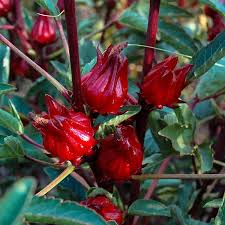
Hibiscus sabdariffa, a member of the Malvaceae family, is a versatile plant native to West Africa but cultivated worldwide in tropical and subtropical regions.
Other Names
English: Roselle, Red sorrel, Jamaica sorrel
Hausa: Zobo, Yakuwa
Yoruba: Isapa
Igbo: Okworo Ojo, Akworo Aja
Spanish: Flor de Jamaica
French: Oseille de Guinée
Hindi: Lal ambari
Arabic: Karkade
Health Benefits
Hibiscus sabdariffa is renowned for its potential health benefits, largely due to its rich phytochemical profile, including anthocyanins (such as delphinidin-3-sambubioside and cyanidin-3-sambubioside), flavonoids (like quercetin and kaempferol), phenolic acids (e.g., gallic acid and protocatechuic acid), and organic acids (e.g., hibiscus acid and ascorbic acid). These compounds contribute to antioxidant, anti-inflammatory, and other physiological effects.
- Antihypertensive Properties: One of the most substantiated benefits is its antihypertensive effect. Multiple clinical trials and meta-analyses indicate that consuming hibiscus tea or extracts can significantly reduce systolic and diastolic blood pressure in individuals with mild to moderate hypertension or prehypertension. For instance, a 2015 meta-analysis reported an average reduction of 7.58 mm Hg in systolic and 3.53 mm Hg in diastolic blood pressure, with effects comparable to some standard medications like captopril or lisinopril, attributed to mechanisms like ACE inhibition, vasodilation, and diuresis.
- Cholesterol Management and Heart Health: It improves lipid profiles by lowering total cholesterol, LDL cholesterol, and triglycerides while increasing HDL cholesterol, particularly in people with diabetes, metabolic syndrome, or dyslipidemia. A 2022 review found it more effective than other teas in reducing LDL cholesterol, though results on triglycerides vary. These qualities make it support heart health.
- Antidiabetic Properties: For blood sugar control, hibiscus exhibits hypoglycemic effects, reducing fasting blood glucose and enhancing insulin sensitivity in prediabetic and type 2 diabetic individuals, potentially by inhibiting carbohydrate-digesting enzymes.
- Antioxidant properties: It help combat oxidative stress, with studies showing increased antioxidant enzyme levels (e.g., superoxide dismutase) and reduced markers like malondialdehyde in conditions such as Marfan syndrome or post-exercise muscle damage in athletes.
- Weight Management: It improves steatosis in overweight individuals (inhibit fat accumulation) and improves metabolism, supporting weight management. Preliminary research suggests benefits for weight management, with reductions in body fat, BMI, and appetite in obese subjects, and antianemic effects by improving iron absorption and hematological parameters.
- Anti-inflammatory Effects: It lowers cytokines like TNF-α and IL-6, which may aid in chronic disease prevention.
- Liver Health Benefit: It exhibits hepatoprotective effects, helping detoxify the liver and improve enzyme function which is evident in reduced fatty liver scores.
- Nephro-protective Effects: It lowers creatinine and urea, and potentially prevents urinary tract infections through antimicrobial action against bacteria like E. coli.
- Antimicrobial Properties: It is effective against certain bacteria and fungi, making it useful in treating infections.
- Anti-Cancer Potential: – Some studies suggest that hibiscus extracts may inhibit cancer cell growth, though more research is needed.
- Boosts Immunity: The high vitamin C content strengthens the immune system and fights colds.
- Digestive Health: It acts as a mild laxative and diuretic, aiding digestion and preventing constipation.
- Menstrual Pain Relief: It is traditionally used to ease cramps and regulate menstrual cycles.
Other Benefits
Beyond health, Hibiscus sabdariffa offers multiple uses:
Culinary Uses:
Its calyces are used to make beverages like “zobo drink” in Nigeria, jams, jellies, sauces, and desserts.
The leaves are cooked as greens in stews or fried dishes, and roasted calyces serve as a coffee substitute.
Cosmetic Applications: Hibiscus extracts are used in hair products (promotes hair growth) and skin creams for their conditioning, anti-aging, and soothing effects.
Textile Dye: The red pigment in the calyces serves as a natural food colorant and fabric dye. It’s exported for these purposes from countries like Sudan and Thailand.
Cultural Significance: In African, Caribbean, and Middle Eastern traditions, hibiscus drinks are served during celebrations and ceremonies.
Industrial Use: The stems yield bast fiber, a jute substitute for burlap production.
How It Is Used
Hibiscus sabdariffa can be prepared in various forms depending on the intended purpose:
Beverages:
Zobo Drink (Nigeria): The dried calyces are boiled with ginger, pineapple peels, cloves, or other spices, sweetened, and served chilled as a refreshing beverage.
Herbal Tea (Globally): The dried calyces are steeped in hot water for 5-10 minutes to make hibiscus tea, which can be enjoyed hot or iced, often sweetened with honey or flavored with lime, ginger, or spices. Typical doses include up to 720 mL of tea daily or 10 g of powder in water for 4-6 weeks.
Cold Infusions: Soaked in water overnight for a refreshing drink.
Culinary Uses: Calyces are boiled for beverages, jams, or sauces, while leaves are incorporated into soups or curries and added to desserts for color and flavor.
Medicinal Preparations:
Capsules and Extracts: It is available in supplement form for standardized therapeutic use. Supplements come as extracts, capsules, or tablets (e.g., 2 g three times daily for adolescents or 300-500 mg extracts for adults), taken for 4-12 weeks.
Herbal Decoctions: Boiled with other herbs for hypertension and fever relief. Folk medicine employs decoctions or infusions for ailments like colds or hypertension.
Powdered Extract: Added to smoothies or capsules for concentrated benefits.
Topical Applications:
Skincare: Extracts are incorporated into skincare for anti-aging and soothing properties.
Hair Rinse: Strengthens hair and reduces dandruff.
Face Masks: Mixed with honey for glowing skin.
Side Effects/Caution
Hibiscus sabdariffa is generally safe in food amounts and possibly safe medicinally, with clinical trials reporting good tolerance and no significant adverse effects at typical doses. Common mild side effects include stomach upset, gas, constipation, or initial gastrointestinal symptoms that resolve quickly. While generally safe, excessive consumption may cause:
Overdosing:
- Low Blood Pressure (Hypotension): May be risky for those already on BP medications as it is known to reduce blood pressure.
- Hormonal Effects: May influence estrogen levels; aution for pregnant women.
- Stomach Upset: High doses can cause nausea or diarrhea.
- Kidney Stones: Contains oxalates, which may contribute to stone formation in susceptible individuals.
Pregnancy: Hibiscus may stimulate uterine contractions and should be avoided by pregnant women to prevent miscarriage.
Drug Interactions: It may interact with diuretics, blood pressure medications, antidiabetic medications, and certain pain relievers. Interactions include reduced efficacy of chloroquine for malaria, altered levels of simvastatin, diclofenac, or losartan, and faster clearance of acetaminophen. Stop use 2 weeks before surgery due to blood sugar effects.
Allergic Reactions – Rarely, some individuals may experience skin irritation or allergies.
Surgery Patients: Discontinue use 2 weeks before surgery due to blood pressure effects.
References
- 8 Benefits of Hibiscus. Healthline, 6 Mar. 2023, www.healthline.com/nutrition/hibiscus-tea-benefits.
- A Systematic Review and Meta-Analysis of the Effects of Hibiscus Sabdariffa on Blood Pressure and Cardiometabolic Markers. Nutrition Reviews, vol. 80, no. 6, May 2022, pp. 1723-37, academic.oup.com/nutritionreviews/article/80/6/1723/6470525.
- Abubakar, Salisu Maiwada, et al. Physiological Effects and Human Health Benefits of Hibiscus Sabdariffa: A Review of Clinical Trials. Pharmaceuticals (Basel), vol. 15, no. 4, Apr. 2022, pmc.ncbi.nlm.nih.gov/articles/PMC9033014/.
- Ali, B. H., et al. The Effect of Hibiscus sabdariffa on Hypertension and Other Cardiovascular Diseases. Phytotherapy Research, vol. 29, no. 1, 2015, pp. 1–13.
- Da-Costa-Rocha, I., et al. Hibiscus sabdariffa L. – A Phytochemical and Pharmacological Review. Food Chemistry, vol. 165, 2014, pp. 424–443.
- Da-Costa-Rocha, Inês, et al. Hibiscus sabdariffa L. – A Phytochemical and Pharmacological Review. Food Chemistry, vol. 165, 2014, pp. 424–443.
- Exploring the Health Benefits and Therapeutic Potential of Roselle (Hibiscus Sabdariffa) in Human Studies: A Comprehensive Review. Frontiers in Pharmacology, vol. 14, 23 Nov. 2023, pmc.ncbi.nlm.nih.gov/articles/PMC10676230/.
- Fakeye, Titilayo O., et al. Effects of Hibiscus sabdariffa Calyx Extract on the Liver and Kidney of Rats. Pharmaceutical Biology, vol. 46, no. 5, 2008, pp. 345–350.
- Hibiscus Sabdariffa – Uses, Side Effects, and More. WebMD, n.d., www.webmd.com/vitamins/ai/ingredientmono-211/hibiscus. Accessed 19 Aug. 2025.
- Hopkins, A. L., et al. Effects of Hibiscus sabdariffa on Blood Pressure: A Systematic Review and Meta-Analysis. Journal of Hypertension, vol. 31, no. 9, 2013, pp. 1742–1750.
- Hopkins, Amy L., et al. Hibiscus sabdariffa L. in the Treatment of Hypertension and Hyperlipidemia: A Comprehensive Review of Animal and Human Studies. Fitoterapia, vol. 85, 2013, pp. 84–94.
- Mohagheghi, Ali, et al. The Effect of Hibiscus sabdariffa on Lipid Profile, Creatinine, and Serum Electrolytes: A Systematic Review. Avicenna Journal of Phytomedicine, vol. 1, no. 2, 2011, pp. 69–79.
- Ojewole, J. A. O., and C. O. A. Awe. Antihypertensive and Hypoglycaemic Effects of Hibiscus sabdariffa Calyces in Rats. Phytotherapy Research, vol. 18, no. 6, 2004, pp. 431–436.
- Ojulari, Olubunmi, et al. Phytochemical Constituents and Antioxidant Activity of Hibiscus sabdariffa. Journal of Medicinal Plants Research, vol. 8, no. 24, 2014, pp. 880–886.
- Roselle (Plant). Wikipedia, Wikimedia Foundation, 19 Aug. 2025, en.wikipedia.org/wiki/Hibiscus_sabdariffa.
- World Health Organization. WHO Monographs on Selected Medicinal Plants, Volume 2. WHO, 2002.