
Medicine and Poison
Description
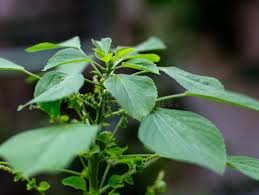
Acalypha indica, commonly known as Indian Acalypha or Indian Nettle, is a small annual herb belonging to the Euphorbiaceae (spurge) family. It is a common weed found in tropical and subtropical regions, often growing in waste places, roadsides, and gardens. It is an erect, and herbaceous plant. It typically grows to a height of 30–75 cm (1–2.5 ft), though it can reach up to 1.2 m (3.9 ft) under favorable conditions, with a branched stem that is striate (longitudinally ribbed) and pubescent (hairy). The leaves are broad ovate, measuring 1.2–6.5 cm long by 1–4 cm wide (0.47–2.56 in × 0.39–1.57 in), with a rounded to shortly attenuate base, basally 5-nerved crenate-serrate (toothed) margins, and an acute or obtuse apex; they are arranged alternately on petioles 1.5–5.5 cm (0.59–2.17 in) long. The inflorescences are catkin-like, axillary spikes 2.5–6 cm (0.98–2.36 in) long, monoecious (bearing both male and female flowers), with a rachis terminating in a triradiate hood. Male flowers are tiny, white-green, ebracteate (without bracts), and clustered on the upper part of the spikes, featuring vermiculiform (worm-like) anthers; pollen grains are roughly spherical, about 10–12 microns in diameter. Female flowers are green, located lower on the spikes, subtended by 3–7 mm (0.12–0.28 in) long suborbicular-cuneiform, many-nerved, toothed, foliaceous bracts; the ovary is hispid (bristly) and 3-lobed, with three 2-fid (bifid) styles. The fruit is a hispid, 3-valved capsule, 1.5–2 mm (0.059–0.079 in) in size, 3-lobed, tuberculate (warty), and pubescent, concealed by the bract and containing small seeds.
Chemically, the plant contains cyanogenic glycosides like acalyphin (a 3-cyanopyridone derivative, 0.3% in leaves), flavonoids (e.g., kaempferol glycosides such as mauritianin, clitorin, nicotiflorin, biorobin; quercetin, naringin), tannins, β-sitosterol, acalyphamide, aurantiamide, succinimide, flindersin (a pyranoquinolinone alkaloid), essential oils, n-octacosanol, quebrachitol, β-sitosterol acetate, stigmasterol, steroids, triterpenoids, alkaloids, saponins, hydrocyanic acid, and iridoid compounds (isodihydronepetalactone, isoiridomyrmecin) that attract cats. Nutritional analysis per 100 g edible shoots includes 80 g water, 269 kJ (64 kcal) energy, 6.7 g protein, 1.4 g fat, 6 g carbohydrates, 2.3 g fiber, 667 mg calcium, 99 mg phosphorus, 17 mg iron, and 147 mg ascorbic acid. A. indica has been recognized for its diverse medicinal properties and is frequently used in Ayurveda, Siddha, and African folk medicine.
Other Names
- English: Indian Copperleaf, Indian Nettle, Indian Acalypha, Three-seeded Mercury
- Yoruba (Nigeria): Ewe iriran
- Hausa (Nigeria): Shiwaka
- Igbo (Nigeria): Ogwu mbu
- Swahili: Mshibazi
- Hindi: Kuppi, Aakhanda
- Tamil: Kuppaimeni
- Malayalam: Kuppameni
- French: Herbe d’Inde
- Arabic: Al-Kalifa
Health Benefits
Acalypha indica is a potent medicinal plant with a long history in traditional systems. The following benefits are documented in ethnobotanical literature and preliminary scientific studies, but self-medication is strongly discouraged due to the risk of severe side effects. It has been valued in traditional medicine systems like Ayurveda, Siddha, and African folk practices for its diverse pharmacological properties, supported by preliminary research.
- Respiratory Conditions: The plant is most renowned for its use in treating bronchitis, asthma, and pneumonia. The juice of the leaves or a decoction is used as an expectorant to loosen and expel phlegm from the lungs.
- Skin Diseases: Fresh leaf paste is applied topically to treat various skin ailments such as scabies, ringworm, eczema, and infected wounds due to its purported antibacterial and antifungal properties. It promotes wound healing by enhancing collagen and reducing scar area.
- Gastrointestinal Support and Anti-parasitic Effects: The plant has a strong purgative (laxative) effect and has been used in traditional medicine to expel intestinal worms, treat stomach ache, hernia and relieve constipation especially in children. As an anthelmintic, it expels intestinal worms like Haemonchus contortus. It also has anti-ulcer, and anti-obesity benefits.
- Anti-inflammatory and Analgesic: The plant contains flavonoids and alkaloids that reduce pain and inflammation in arthritis and rheumatic conditions. Anti-inflammatory and analgesic effects are notable, reducing inflammation in conditions like rheumatism, arthritis, and skin issues through inhibition of COX, NO synthase, PGE2, TNF-α, and IL-1β.Extracts of the plant are used to reduce inflammation and relieve pain, such as that associated with rheumatoid arthritis or headaches.
- Antibacterial and Antifungal: It exhibits antimicrobial activity against bacteria (e.g., Escherichia coli, Staphylococcus aureus, Klebsiella pneumoniae, Pseudomonas aeruginosa) and fungi (e.g., Aspergillus niger, Candida albicans), with MIC values of 0.79–15 mg/mL and potent effects on multidrug-resistant Mycobacterium tuberculosis (up to 95% inhibition in aqueous extracts), supporting its traditional use for infections.
- Potential Anticancer Properties: Preliminary in vitro (test tube) studies have shown that compounds in Acalypha indica (such as acalyphine) may exhibit cytotoxic effects against certain cancer cell lines. Anticancer potential includes cytotoxicity against cell lines like PC3 (prostate), MCF-7 (breast), and HepG2 (liver), inducing apoptosis and autophagy.
- Antidiabetic Activities: Scientific studies show A. indica extracts lower blood glucose levels. The antidiabetic effects involve alpha-amylase inhibition (up to 84.51%), lowering blood glucose, improving insulin resistance, and protecting pancreatic cells in diabetic models.
- Antioxidant Activities: The extracts help scavenge free radicals (DPPH IC50 5.70–7.70 mg/mL), reducing oxidative stress, lipid peroxidation, and enhance antioxidant enzyme activity, helping reduce oxidative stress.
- Hepatoprotective Effect: The plant has shown liver-protective effects in experimental studies, possibly due to its antioxidant and detoxifying compounds.
Other Benefits
- Agricultural Use: Crushed leaves or plant extracts are used as a natural pesticide in some agricultural practices to protect crops from pests. The plant’s extract acts as a natural insect repellent and can be used in organic farming. It also rejuvenates soil in disturbed areas and supports biodiversity in tropical ecosystems. In some regions, it is used as fodder for cattle, though its medicinal potency suggests this should be done with caution.
- Veterinary Use: Acalypha indica serves as a natural attractant for domestic cats due to iridoid compounds like isodihydronepetalactone and isoiridomyrmecin, eliciting stronger responses than catnip, often used in gardens or as a feline stimulant. In traditional veterinary medicine, it is used to treat ephemeral fever, skin infections and parasitic infestations in livestock.
- Pest Control: It has pesticidal applications, acting as a biopesticide against mosquito larvae, snails (e.g., Lymnaea acuminate), and agricultural pests like Spodoptera litura, with LC50 values indicating toxicity to these organisms, positioning it as a green extermination agent.
- Industrial Application: Industrially, extracts are incorporated into green soap formulations for antifungal properties and used in nanoparticle synthesis for enhanced bioactivity.
- Cultural and Ritual Uses: In parts of South India and West Africa, A. indica is considered sacred and used in traditional cleansing and purification rituals.
How it is Used.
Traditional use involves specific preparations and dosages. The fresh plant is considered more potent and toxic than the dried form.
- Fresh Leaf Juice: A small quantity of juice is (1–2 teaspoons daily) extracted from the pounded leaves. This is often taken with an adjuvant like honey or palm jaggery to mitigate its harshness and improve palatability, primarily for respiratory issues, diarrhea, intestinal worms, fever, constipation, blood dysentery, jaundice, piles, or as an emetic/emmenagogue; or used as ear drops (2–3 drops) for earache..
- Paste (Lepam): The leaves are crushed into a paste with turmeric or lime and applied topically on skin infections (e.g., scabies, ringworm), wounds, boils, eczema and areas of inflammation or mixed with salt for sap to treat skin parasites. It should not be applied to broken skin without guidance.
- Decoction (Kashayam): The plant is boiled in water to prepare a decoction, which is then consumed in very small, measured doses for arthritic pain, paralysis, digestive issues, internal cleansing and as an expectorant for respiratory issues or applied externally for neuroprotective effects..
- Powder: The dried plant is powdered and used in very small quantities, often mixed with other herbs. It is often used in combination with honey or milk to enhance immunity and as a general tonic.
- Steam Inhalation: Boiled leaves are used for inhalation therapy to relieve nasal congestion and bronchitis.
- Industrial Uses: In modern applications, extracts (ethanolic, aqueous) are formulated into ointments for wound healing, soaps for antifungal use, or nanoparticles for enhanced delivery.
Side Effects / Caution
Although A. indica is generally considered safe in traditional doses, caution is advised. While used medicinally, it is toxic due to cyanogenic glycosides (e.g., acalyphin) that release hydrogen cyanide (HCN), potentially causing intoxication similar to cyanide poisoning, with lethal doses >1 mg/kg body weight (e.g., >20 g raw leaves for 70 kg person). It is considered a poisonous plant and should not be used without expert supervision.
- Severe Toxicity upon Ingestion: Overdose or improper use can lead to severe symptoms, including:
- Violent vomiting and diarrhea (due to its strong purgative nature)
- Severe gastritis and abdominal pain
- Dizziness, drowsiness, and tremors
- Cytotoxicity: The plant contains toxic compounds like cyanogenic glycosides and alkaloids (e.g., acalyphine) which are responsible for both its medicinal and toxic effects.
- Pregnancy and Lactation: Its use is strictly contraindicated during pregnancy as it can be a strong uterine stimulant and may cause abortion. It should also be avoided while breastfeeding.
- Skin Irritation: The topical application may cause irritation, redness, or dermatitis in some individuals, especially if used undiluted or on sensitive skin.
- Pre-existing Conditions: Individuals with gastrointestinal disorders, kidney, or liver problems should avoid it.
- Children and Infants: The plant is too potent for use in children.
References
- “[PDF] A review on traditional valuable medicinal plant in Acalypha indica.” Plants Journal, www.plantsjournal.com/archives/2024/vol12issue4/PartB/12-4-1-210.pdf. Accessed 20 Oct. 2025.
- “[PDF] Acalypha indica L. – an Important Medicinal Plant.” EJMP, journalejmp.com/index.php/EJMP/article/download/899/1804/1804. Accessed 20 Oct. 2025.
- “[PDF] Clinical Characteristics of Acalypha indica Poisoning.” Dove Press, www.dovepress.com/article/download/56630. Accessed 20 Oct. 2025.
- “[PDF] Clinical Characteristics of Acalypha indica Poisoning.” Rama Mahidol, www.rama.mahidol.ac.th/academic/sites/default/files/public/files/staff-advancement/advancement-work/research-work/Clinical%2520Characteristics%2520of%2520Acalypha%2520indica.pdf. Accessed 20 Oct. 2025.
- “1.1.17 Indian Acalypha is a herbs leaves of which have many health.” Facebook, www.facebook.com/groups/PlantWealthofIndia/posts/1308939985835633/. Accessed 20 Oct. 2025.
- “A review of Acalypha indica L. (Euphorbiaceae) as traditional.” ScienceDirect, Elsevier, www.sciencedirect.com/science/article/abs/pii/S037887411632445X. Accessed 20 Oct. 2025.
- “A review of Acalypha indica L. (Euphorbiaceae) as.” PubMed, pubmed.ncbi.nlm.nih.gov/28647509/. Accessed 20 Oct. 2025.
- “A review on medicinal uses of Acalypha indica linn.” ResearchGate, www.researchgate.net/publication/381844886_A_review_on_medicinal_uses_of_Acalypha_indica_linn. Accessed 20 Oct. 2025.
- “A review on medicinal uses of Acalypha indica linn.” ResearchGate, www.researchgate.net/publication/381844886_A_review_on_medicinal_uses_of_Acalypha_indica_linn. Accessed 20 Oct. 2025.
- “A review on medicinal uses of Acalypha indica linn.” ResearchGate, www.researchgate.net/publication/381844886_A_review_on_medicinal_uses_of_Acalypha_indica_linn. Accessed 20 Oct. 2025.
- “A review on medicinal uses of Acalypha indica linn.” WJARR, wjarr.com/content/review-medicinal-uses-acalypha-indica-linn. Accessed 20 Oct. 2025.
- “Acalypha Indica – an overview.” ScienceDirect, Elsevier, www.sciencedirect.com/topics/pharmacology-toxicology-and-pharmaceutical-science/acalypha-indica. Accessed 20 Oct. 2025.
- “Acalypha Indica – an overview.” ScienceDirect, Elsevier, www.sciencedirect.com/topics/pharmacology-toxicology-and-pharmaceutical-science/acalypha-indica. Accessed 20 Oct. 2025.
- “Acalypha Indica – an overview.” ScienceDirect, Elsevier, www.sciencedirect.com/topics/pharmacology-toxicology-and-pharmaceutical-science/acalypha-indica. Accessed 20 Oct. 2025.
- “Acalypha indica – eFlora of India.” eFlora of India, efloraofindia.com/efi/acalypha-indica/. Accessed 20 Oct. 2025.
- “Acalypha indica – Indian Medicinal Plants.” Indian Medicinal Plants, indianmedicinalplants.info/herbs/index.php/a/1229-acalypha-indica. Accessed 20 Oct. 2025.
- “Acalypha indica – Wikipedia.” Cebuano Wikipedia, ceb.wikipedia.org/wiki/Acalypha_indica. Accessed 20 Oct. 2025.
- “Acalypha indica induced acute oxidative haemolysis and.” Journal of Medical Case Reports, jmedicalcasereports.biomedcentral.com/articles/10.1186/s13256-024-04481-8. Accessed 20 Oct. 2025.
- “Acalypha indica L. – an Important Medicinal Plant.” HAL, hal.science/hal-05298998. Accessed 20 Oct. 2025.
- “Acalypha indica L. – an Important Medicinal Plant: A Brief Review of.” EJMP, journalejmp.com/index.php/EJMP/article/view/899. Accessed 20 Oct. 2025.
- “Acalypha indica L. – Plazi TreatmentBank.” Plazi TreatmentBank, treatment.plazi.org/id/3AC69EF337AB3ADD0D350B28BF9D62C2. Accessed 20 Oct. 2025.
- “Acalypha indica L. – Plazi TreatmentBank.” Plazi TreatmentBank, treatment.plazi.org/id/3AC69EF337AB3ADD0D350B28BF9D62C2. Accessed 20 Oct. 2025.
- “Acalypha indica L.” Plants of the World Online, Kew Science, powo.science.kew.org/taxon/urn:lsid:ipni.org:names:337497-1/general-information. Accessed 20 Oct. 2025.
- “Acalypha indica plant uses and properties.” Facebook, www.facebook.com/groups/1870247999723559/posts/9914591711955774/. Accessed 20 Oct. 2025.
- “Acalypha indica plant uses and properties.” Facebook, www.facebook.com/groups/1870247999723559/posts/9914591711955774/. Accessed 20 Oct. 2025.
- “Acalypha Indica Synonyms: 28 Similar Words & Phrases.” Power Thesaurus, www.powerthesaurus.org/origanum_vulgare/synonyms. Accessed 20 Oct. 2025.
- “Acalypha indica.” Wikipedia, Wikimedia Foundation, en.wikipedia.org/wiki/Acalypha_indica. Accessed 20 Oct. 2025.
- “Acalypha indica.” Wikipedia, Wikimedia Foundation, en.wikipedia.org/wiki/Acalypha_indica. Accessed 20 Oct. 2025.
- “Acalypha indica.” Wikipedia, Wikimedia Foundation, en.wikipedia.org/wiki/Acalypha_indica. Accessed 20 Oct. 2025.
- “Acalypha indica: A comprehensive review of its natural compounds.” ScienceDirect, Elsevier, www.sciencedirect.com/science/article/abs/pii/S2950199725000680. Accessed 20 Oct. 2025.
- “Acalypha indica: A comprehensive review of its natural compounds.” ScienceDirect, Elsevier, www.sciencedirect.com/science/article/abs/pii/S2950199725000680. Accessed 20 Oct. 2025.
- “Acalypha indica: A comprehensive review of its natural compounds.” ScienceDirect, Elsevier, www.sciencedirect.com/science/article/abs/pii/S2950199725000680. Accessed 20 Oct. 2025.
- “Acalypha indica: Ayurvedic Wiki Page by Ask Ayurveda.” Ask Ayurveda, ask-ayurveda.com/wiki/article/43-acalypha-indica. Accessed 20 Oct. 2025.
- “Acalypha indica: Ayurvedic Wiki Page by Ask Ayurveda.” Ask Ayurveda, ask-ayurveda.com/wiki/article/43-acalypha-indica. Accessed 20 Oct. 2025.
- “Clinical Characteristics of Acalypha indica Poisoning.” PMC, National Center for Biotechnology Information, pmc.ncbi.nlm.nih.gov/articles/PMC7468509/. Accessed 20 Oct. 2025.
- “Clinical Characteristics of Acalypha indica Poisoning.” PMC, National Center for Biotechnology Information, pmc.ncbi.nlm.nih.gov/articles/PMC7468509/. Accessed 20 Oct. 2025.
- “Clinical Characteristics of Acalypha indica Poisoning.” PubMed, pubmed.ncbi.nlm.nih.gov/32943907/. Accessed 20 Oct. 2025.
- “Clinical Characteristics of Acalypha indica Poisoning.” ResearchGate, www.researchgate.net/publication/343844627_Clinical_Characteristics_of_Acalypha_indica_Poisoning. Accessed 20 Oct. 2025.
- “Common Names – Acalypha indica.” KnowYourWeeds, www.knowyourweeds.com/en/weeds/Acalypha_indica/common-names?s=MjUxMTM=. Accessed 20 Oct. 2025.
- “Euphorbiaceae, a traditional medicinal plant, well.” Facebook, www.facebook.com/groups/PlantWealthofIndia/posts/5969931999736385/. Accessed 20 Oct. 2025.
- “Folklore uses of acalypha indica in ayurveda system.” Wisdom Library, www.wisdomlib.org/science/journal/world-journal-of-pharmaceutical-research/d/doc1370429.html. Accessed 20 Oct. 2025.
- “Folklore uses of acalypha indica in ayurveda system.” Wisdom Library, www.wisdomlib.org/science/journal/world-journal-of-pharmaceutical-research/d/doc1370429.html. Accessed 20 Oct. 2025.
- “Formulation and Evaluation of Antifungal Herbal Soap Using Acalyp.” Interes Journals, www.interesjournals.org/articles/formulation-and-evaluation-of-antifungal-herbal-soap-using-acalypha-indica-97444.html. Accessed 20 Oct. 2025.
- “Green soap formulation using Acalypha indica extract.” ResearchGate, www.researchgate.net/figure/Green-soap-formulation-using-Acalypha-indica-extract_fig2_344828949. Accessed 20 Oct. 2025.
- “Haritha Manjari (Acalypha indica) Uses, Remedies, Research.” Easy Ayurveda, www.easyayurveda.com/2022/10/08/haritha-manjari-acalypha-indica/. Accessed 20 Oct. 2025.
- “Haritha Manjari (Acalypha indica) Uses, Remedies, Research.” Easy Ayurveda, www.easyayurveda.com/2022/10/08/haritha-manjari-acalypha-indica/. Accessed 20 Oct. 2025.
- “Haritha Manjari (Acalypha indica) Uses, Remedies, Research.” Easy Ayurveda, www.easyayurveda.com/2022/10/08/haritha-manjari-acalypha-indica/. Accessed 20 Oct. 2025.
- “Herbal ointment formulation and evaluation of Acalypha indica extract.” Wisdom Library, www.wisdomlib.org/science/journal/world-journal-of-pharmaceutical-research/d/doc1387413.html. Accessed 20 Oct. 2025.
- “Indian Acalypha (Acalypha indica).” iNaturalist Canada, inaturalist.ca/taxa/157894-Acalypha-indica. Accessed 20 Oct. 2025.
- “Kuppaimeni Leaves: Health Benefits, Uses and Important Facts.” Pots and Pans, www.potsandpans.in/blogs/articles/kuppaimeni-leaves-health-benefits-uses-and-important-facts?srsltid=AfmBOopEkwc_DYhPMYgV1y4slYCzIJ3e69H6KtKpGGZQCY8CyJxBWuyi. Accessed 20 Oct. 2025.
- “Kuppaimeni Leaves: Health Benefits, Uses and Important Facts.” Pots and Pans, www.potsandpans.in/blogs/articles/kuppaimeni-leaves-health-benefits-uses-and-important-facts?srsltid=AfmBOorL3P-dBPbUq_qm_zTxR8_idBJd978QSkRgw7vb6bXEQ7akI-gz. Accessed 20 Oct. 2025.
- “Phytochemical Screening, Acute Toxicity and Evaluation of in vitro.” Archives J Young Pharm, archives.jyoungpharm.org/7849/. Accessed 20 Oct. 2025.
- “What are the uses of Acalypha indica?” Quora, www.quora.com/What-are-the-uses-of-Acalypha-indica. Accessed 20 Oct. 2025.
- “What are the uses of Acalypha indica?” Quora, www.quora.com/What-are-the-uses-of-Acalypha-indica. Accessed 20 Oct. 2025.
- Adesina, S. K., et al. “Studies on Some Plants Used as Anticonvulsants in Amerindian and African Traditional Medicine.” Fitoterapia, vol. 53, no. 3, 1982, pp. 147-62.
- Aiyegoro, Olayinka A., et al. “Phytochemical Constituents and Antibacterial Activities of Alcalypha indica.” African Journal of Biotechnology, vol. 8, no. 22, 2009, pp. 6325–6327.
- Balakrishnan, N., and M. Panda. “Evaluation of Antimicrobial and Antioxidant Potential of Alcalypha indica Linn.” Journal of Ethnopharmacology, vol. 142, no. 1, 2012, pp. 586–590.
- Chandrashekar, K. S., et al. “Pharmacological Activities of Alcalypha indica Linn: A Comprehensive Review.” International Journal of Green Pharmacy, vol. 12, no. 3, 2018, pp. 205–210.
- Gopal, R. Hari, and R. Rengasamy. “Medicinal Properties of Acalypha indica: A Review.” International Journal of Scientific and Research Publications, vol. 9, no. 7, 2019, pp. 2250-3153. doi:10.29322/IJSRP.9.07.2019.p9118.
- Govindarajan, M., and A. Karuppannan. “Mosquito Larvicidal and Ovicidal Properties of Acalypha indica Linn. (Family: Euphorbiaceae) Against Culex quinquefasciatus, Aedes aegypti and Anopheles stephensi.” Asian Pacific Journal of Tropical Medicine, vol. 4, no. 1, 2011, pp. 24-28.
- Jeyachandran, R., and P. Mahesh. “Anthelmintic and Antifungal Properties of Alcalypha indica Leaf Extracts.” Asian Pacific Journal of Tropical Biomedicine, vol. 1, no. 3, 2011, pp. 175–179.
- Muthumani, P., et al. “Protective Effect of Alcalypha indica on Paracetamol-Induced Hepatotoxicity in Rats.” International Journal of Pharmacology and Clinical Sciences, vol. 3, no. 2, 2014, pp. 34–39.
- Pandikumar, P., et al. “An Ethnobotanical Study of Medicinal Plants Used by the Malayali Tribe in Kolli Hills of Tamil Nadu, Southern India.” Journal of Ethnopharmacology, vol. 99, no. 2, 2005, pp. 189-96.
- Sivaraj, R., et al. “Pharmacognostical and Phytochemical Evaluation of Acalypha indica L.” International Journal of Research in Pharmaceutical and Biomedical Sciences, vol. 2, no. 1, 2011, pp. 191-95.