
Description
Acalypha wilkesiana, commonly known as Copperleaf or Jacob’s Coat, is a fast-growing evergreen shrub belonging to the Euphorbiaceae (spurge) family. It is primarily cultivated for its stunning and vibrantly colored foliage, making it a popular ornamental plant in tropical and subtropical gardens worldwide. The plant can grow up to 3 meters (10 feet) tall and wide, with a dense, bushy habit.
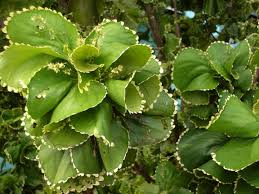
The most distinctive feature of Acalypha wilkesiana is its leaves. They are large, broad, and often heart-shaped (ovate to cordate) with serrated or toothed margins. The leaves are multicolored, displaying a spectacular and variable mix of colors including copper, red, pink, orange, bronze, yellow, and green, often with contrasting spots, splotches, or margins. The flowers, which appear in long, narrow, catkin-like racemes (typically 10-20 cm long), are often inconspicuous compared to the foliage. They are small, reddish-pink, and lack petals. The female flowers are located at the base of the spike, with prominent, fringed stigmas, while the male flowers fill the rest of the spike. Like many euphorbias, it produces a milky sap when injured.
It prefers light, well-drained soil, protected shady or partial sun positions, moist but fast-draining conditions. It tolerates drought but is frost-sensitive and needs shelter from strong winds. Indoors, it requires bright light, humid environments, and soilless potting mix with regular misting. Chemically, it contains flavonoids, tannins, saponins, alkaloids, terpenoids, and anthraquinones, contributing to its bioactivities.
Other Names
- English: Copperleaf, Jacob’s coat, Copper plant, Cooperleaf, Fire Dragon, Match-me-if-you-can, Painted Copperleaf, Beefsteak Plant, Fijian Fire Plant, Fire bush, Redleaf, Joseph’s Coat, Red Acalypha
- French: Acalyphe de Wilkes, Érable de maison, Feuille de cuivre
- Spanish: Acalifa, Hoja de Cobre, Ricinela
- Portuguese: Acalifa, Folha-de-cobre
- Yoruba: Jinwinni, Jíwíwí, Awoyabata
- Hindi: Copper Leaf (कॉपर लीफ)
- Malay: Pokok Kucing Galak, Ekor Kucing
- Chinese: Hóng sān (红桑)
- Hausa: Jakaranda or Bunsurun
- Igbo: Ogwu obala or Achicha ọkụkọ
- Swahili: Mshibazi wa damu
Health Benefits
- Antimicrobial Activity: A. wilkesiana extracts have demonstrated strong antibacterial and antifungal activities against a range of microorganisms including Staphylococcus aureus, Escherichia coli, Candida albicans, and Pseudomonas aeruginosa. This supports its traditional use in treating skin infections and wounds.
- Anti-inflammatory and Analgesic Properties: The leaf extract contains tannins, flavonoids, and saponins that help reduce inflammation and pain, useful for treating arthritis, sore muscles, and general body aches. In traditional medicine systems, particularly in parts of Africa, a poultice made from the leaves is applied topically to reduce inflammation, ease joint pain, and treat headaches.
- Wound Healing: The leaves are widely used in traditional medicine to clean and heal cuts, ulcers, and burns. Scientific studies confirm that A. wilkesiana enhances epithelialization and accelerates wound contraction.
- Skin Disease Management: The leaf sap or a decoction of the leaves is used topically to treat a variety of skin conditions, including ringworm, eczema, scabies, and acne, due to its purported antimicrobial and anti-inflammatory properties.
- Antioxidant Properties: The plant contains polyphenolic compounds that scavenge free radicals and protect body cells from oxidative damage, contributing to general health and longevity.
- 4. Management of Gastrointestinal Issues: In some traditions, a weak decoction of the leaves is used to treat diarrhea and other gastrointestinal complaints, although this use is less common and carries risk due to potential toxicity.
- Antidiabetic Activity: Extracts have shown moderate blood sugar-lowering effects, supporting its use in managing mild diabetes in traditional practice.
- Antihypertensive and Cardioprotective Effects: Some studies report that the aqueous leaf extract may help lower blood pressure and protect cardiac tissues from oxidative damage.
Other Benefits
- Ornamental Value: This is the primary benefit of the plant. Its spectacular, colorful foliage provides year-round visual interest in gardens, parks, and landscapes. It is used in hedges, as a standalone specimen, or for adding vibrant color contrasts.
- Air Purification: Like many leafy plants, it contributes to improving indoor air quality by absorbing certain volatile organic compounds (VOCs) through its leaves.
- Dye: The intensely pigmented leaves can be used to produce natural dyes for textiles.
- Environmental Uses: The shrub is used in landscaping and as a living fence to prevent soil erosion.
- Cultural Significance: In some African and Pacific Island communities, A. wilkesiana is used in purification and healing rituals.
- Veterinary Medicine: Decoctions made from leaves are used to treat wounds and skin infections in livestock.
How it is Used (Traditional Methods with Caution)
Given the potential for toxicity, traditional use is almost exclusively topical.
Topical Application:
- Leaf Poultice:
- Fresh leaves are crushed, sometimes heated, and applied directly to the skin for treating wounds, boils, rheumatism, and skin infections.
- Warm leaf poultices are applied to inflamed joints or sore muscles to reduce swelling and pain.
- Leaf Decoction for Washing: A decoction (boiled extract) of the leaves is prepared, allowed to cool, and used as a wash for skin ulcers, rashes, or to relieve itching.
- Leaf Sap/Juice: The sap expressed from crushed leaves is applied to areas affected by fungal infections like ringworm.
- Infusion: Aqueous infusions of the leaves are taken orally (in small, controlled doses) for treating coughs, fever, and mild hypertension.
- Combination Remedies: In Nigerian traditional medicine, A. wilkesiana is sometimes combined with other herbs such as Azadirachta indica (neem) for enhanced antimicrobial action.
- Leaf Ointment: Leaf ointments (e.g., petroleum jelly-based) are applied topically for fungal infections, wounds, boils, eczema, scabies, and ringworm, with clinical application 2-3 times daily for 1-2 weeks.
- Ornament: Ornamentally, it is planted in well-drained soil with partial shade, propagated by stem cuttings with bottom heat, and maintained indoors with misting and bright light. Use gloves when handling due to sap.
Side Effects / Caution
While generally low in acute toxicity (LD50 2,828-5,000 mg/kg in studies, no deaths up to 3,000 mg/kg), Acalypha wilkesiana may cause side effects.
- Toxicity upon Ingestion: Consumption can lead to symptoms of poisoning, including Nausea, vomiting, diarrhea. abdominal pain, dizziness and general weakness
- Cytotoxicity: Studies have identified the presence of certain alkaloids and other compounds in the plant that have shown cytotoxic (cell-killing) effects in laboratory assays. This is a strong indicator of potential toxicity.
- Skin Irritation: The sap may cause contact dermatitis or skin irritation in sensitive individuals. It is advisable to wear gloves when handling the plant for pruning.
- Pregnancy and Breastfeeding: Due to the lack of safety data and known cytotoxic properties, its use is strictly contraindicated during pregnancy and lactation.
- Lack of Standardization: There is no standardized, safe dosage for any medicinal use. Self-medication, especially internal use, is strongly discouraged.
- Dosage Consideration: Chronic use may elevate ALP levels, indicating liver or bone issues, and high doses could be deleterious in females or cause oxidative hemolysis. Avoid during pregnancy or in children; consult professionals. Susceptible to mealybugs, treat with ethanol.
- Drug Interaction: Because A. wilkesiana contains bioactive compounds that may alter blood sugar and pressure, patients on medication should consult a healthcare provider before use.
References (MLA Format)
“Acalypha wilkesiana – Plants of Southeast Asia.” Asian Plant, asianplant.net/Euphorbiaceae/Acalypha_wilkesiana.htm. Accessed 20 Oct. 2025.
“Acalypha wilkesiana (Cooperleaf, Copperleaf, Copper Plant … .” NC State Extension, NC State University, plants.ces.ncsu.edu/plants/acalypha-wilkesiana/. Accessed 20 Oct. 2025.
“Acalypha Wilkesiana Herb Uses, Benefits, Cures, Side Effects, Nutrients.” Herbpathy, herbpathy.com/uses-and-benefits-of-acalypha-wilkesiana-cid5260. Accessed 20 Oct. 2025.
“Acalypha wilkesiana ‘inferno’ hydroethanolic leaf extract has protective effect on carbon tetrachloride-induced subacute toxicity in animals.” BMRAT, 25 May 2020, bmrat.org/index.php/BMRAT/article/view/605. Accessed 20 Oct. 2025.
“Acalypha wilkesiana medicinal values and uses.” Facebook, 9 Sep. 2025, www.facebook.com/groups/2808346839482436/posts/4076937302623377/. Accessed 20 Oct. 2025.
“Acalypha wilkesiana Müll.Arg.” GBIF, www.gbif.org/species/3057221. Accessed 20 Oct. 2025.
“Acalypha wilkesiana Müll.Arg.” World Flora Online, www.worldfloraonline.org/taxon/wfo-0000254905. Accessed 20 Oct. 2025.
“Acalypha Wilkesiana Tahiti Plant.” Mapro, 10 Feb. 2023, www.mapro.com/blogs/all/acalypha-wilkesiana-tahiti. Accessed 20 Oct. 2025.
“Acalypha wilkesiana.” Useful Tropical Plants, tropical.theferns.info/viewtropical.php?id=Acalypha%2Bwilkesiana. Accessed 20 Oct. 2025.
“Acalypha wilkesiana.” Wikipedia, Wikimedia Foundation, 20 Oct. 2025, en.wikipedia.org/wiki/Acalypha_wilkesiana. Accessed 20 Oct. 2025.
“Acalypha Wilkesiana: Facts, uses, how to grow and care tips.” Housing, 29 Mar. 2023, housing.com/news/how-to-grow-and-care-for-acalypha-wilkesiana/. Accessed 20 Oct. 2025.
“ANTI-FUNGAL ACTIVITY OF ACALYPHA WILKESIANA.” PMC, National Center for Biotechnology Information, pmc.ncbi.nlm.nih.gov/articles/PMC8751394/. Accessed 20 Oct. 2025.
“Copperleaf (Acalypha wilkesiana).” Poisons Information, Queensland Health, www.poisonsinfo.health.qld.gov.au/plants-and-mushrooms/copperleaf-acalypha-wilkesiana. Accessed 20 Oct. 2025.
“Impact Of Red Acalypha (Acalypha Wilkesiana) Extract On Weight, Oxidative Stress, Memory And Hippocampal Structure In Sprague-Dawley Rats.” SLJM, 8 Apr. 2025, sljm.org/2025/04/08/impact-of-red-acalypha-acalypha-wilkesiana-extract-on-weight-oxidative-stress-memory-and-hippocampal-structure-in-sprague-dawley-rats/. Accessed 20 Oct. 2025.
“Phytochemical Evaluation and Acute Toxicity Study of Ethanol Leaf Extract of Acalypha wilkesiana in Rats.” JBRES, www.jelsciences.com/articles/jbres1302.php. Accessed 20 Oct. 2025.
“The Deleterious Effect of Orally Administered Aqueous Extract of Acalypha wilkesiana on the Testes of Wistar Rats.” AJOL, www.ajol.info/index.php/dujopas/article/view/281385/265199. Accessed 20 Oct. 2025.
“Toxicological evaluation of the aqueous extract of Acalypha wilkesiana in Wistar albino rats.” PubMed, pubmed.ncbi.nlm.nih.gov/25390027/. Accessed 20 Oct. 2025.
“Toxicological implications of the therapeutic use of Acalypha wilkesiana leaves in traditional medicine.” Clinical Phytoscience, SpringerOpen, 30 Aug. 2017, clinphytoscience.springeropen.com/articles/10.1186/s40816-017-0053-8. Accessed 20 Oct. 2025.
Agyare, C., et al. “Antimicrobial and Anti-inflammatory Activities of Acalypha wilkesiana.” African Journal of Traditional, Complementary and Alternative Medicines, vol. 10, no. 5, 2013, pp. 300-305.
Ajibesin, K. K. “Ethnobotanical Survey of Plants Used for Skin Diseases and Related Ailments in Akwa Ibom State, Nigeria.” Ethnobotany Research and Applications, vol. 10, 2012, pp. 463-522.
Akinyemi, K. O., et al. “Screening of Some Medicinal Plants Used in South-West Nigerian Traditional Medicine for Antimicrobial Activity.” Journal of Herbal Pharmacotherapy, vol. 3, no. 3, 2003, pp. 113–128.
Ezekwesili, C. N., et al. “Evaluation of the Wound Healing Activity of Acalypha wilkesiana Leaf Extract in Rats.” African Journal of Traditional, Complementary and Alternative Medicines, vol. 11, no. 3, 2014, pp. 25–33.
Idu, M., and E. O. Onyibe. “Medicinal Plants of Edo State, Nigeria.” Research Journal of Medicinal Plant Studies, vol. 1, no. 2, 2007, pp. 67–75.
Nweze, E. I., and J. A. Okafor. “Antifungal Activities of Acalypha wilkesiana and Acalypha hispida.” Journal of Herbs, Spices & Medicinal Plants, vol. 12, no. 1-2, 2006, pp. 89-96. doi:10.1300/J044v12n01_08.
Odugbemi, T. O., et al. “Medicinal Plants Useful for Malaria Therapy in Okeigbo, Ondo State, Southwest Nigeria.” African Journal of Traditional, Complementary and Alternative Medicines, vol. 4, no. 2, 2007, pp. 191-198.
Okwu, D. E., and U. N. Morah. “Antimicrobial and Phytochemical Evaluation of Acalypha wilkesiana Leaf Extract.” African Journal of Biotechnology, vol. 3, no. 9, 2004, pp. 479–481.
Owoyemi, J. O., et al. “Ethnobotanical Survey of Medicinal Plants Used in the Treatment of Skin Diseases in Abeokuta, Nigeria.” International Journal of Herbal Medicine, vol. 8, no. 4, 2020, pp. 44-52.
Uboh, F. E., et al. “Effect of Aqueous Extract of Acalypha wilkesiana Leaves on Blood Glucose and Lipid Profile of Diabetic Rats.” Journal of Medicinal Plants Research, vol. 4, no. 11, 2010, pp. 987–991.