
Description
Citrus sinensis, commonly known as the sweet orange, is an evergreen flowering tree belonging to the Rutaceae (citrus) family. It is a small to medium-sized tree, typically growing to a height of 6–15 meters, with a rounded crown and branches that may bear short, blunt axillary spines .
The leaves are alternate, ovate to elliptic in shape, measuring 5–15 cm in length, with a leathery texture and narrowly winged petioles (leaf stalks) . The flowers are solitary or grow in small clusters from the leaf axils, are white, fragrant, and have five petals .
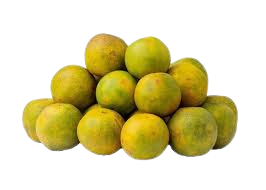
The fruit is a specialized berry known as a hesperidium, with a characteristic leathery rind (peel) dotted with oil glands. The rind is greenish-yellow to bright orange, thin, and closely attached to the flesh, making it more difficult to peel than a mandarin . The interior is divided into 10–13 segments filled with juicy pulp vesicles, which are typically sweet and yellow to orange-red in color. The fruit contains few to several seeds, which are polyembryonic (containing multiple embryos) . The tree typically flowers in spring (March-April), and the fruits mature in late autumn to winter (November-December).
Common names
- English: Sweet orange, orange.
- French: Orange douce
- Spanish: Naranja dulce, Naranja
- Chinese: Tián chéng (甜橙)
- Tongan: Moli kai, Moli ʻaina
- Thai: Som
- German: Apfelsine
- Yoruba: Osàn, Osan)
- Igbo: Olome, Oroma
- Hausa: Lemu baba, Lemu yamiku
Health Benefits
Citrus sinensis is a nutrient-dense fruit, renowned for its high vitamin C content along with vitamins A, B-complex, potassium, fiber, and rich profile of bioactive compounds, including flavonoids (like hesperidin), carotenoids, and limonoids. These components contribute to a wide range of health benefits, particularly concerning metabolic and skin health.
- Metabolic Syndrome Management: Citrus sinensis has demonstrated significant therapeutic potential against metabolic syndrome, a cluster of conditions including obesity, type 2 diabetes, hypertension, and dyslipidemia . Preclinical studies show that citrus extracts improve insulin sensitivity, reduce body weight and lipid levels, and aid in blood pressure regulation. The peel extract, in particular, has shown anti-obesity effects in experimental models .
- Cardiovascular Health: The fruit is rich in potassium and flavonoids like hesperidin. Potassium helps maintain healthy blood pressure, while flavonoids may improve blood vessel function and reduce the risk of stroke . The citrate content in oranges may also help prevent the formation of certain types of kidney stones by binding with calcium .
- Anti-Aging and Skin Health: Orange extract is a potent anti-aging agent for the skin. It significantly reduces oxidative stress markers (like malondialdehyde) and improves levels of antioxidant enzymes (such as superoxide dismutase and catalase) . Furthermore, it enhances collagen synthesis, inhibits the enzymes (elastase and collagenase) that break down skin structure, and increases skin hydration and elasticity by promoting hyaluronic acid production .
- Liver and Digestive Health: In traditional Chinese medicine, the fruit is used to relieve liver qi stagnation, which can manifest as rib-side pain, abdominal distension, and poor digestion . It is also used to promote lactation in cases of insufficient breast milk and to alleviate symptoms of a hangover .
- Antioxidant and Anti-inflammatory Effects: The high concentration of vitamin C and various flavonoids provides powerful antioxidant protection, combating free radical damage and reducing systemic inflammation .
- Antimicrobial potential: Extracts show activity against bacteria, fungi, and some viruses.
Nigerian Medicinal Uses
In Nigeria, Citrus sinensis (sweet orange) is widely valued in traditional ethnomedicine, particularly for its leaves, peel, fruit juice, and occasionally stem bark. It features prominently in folk remedies among the Yoruba (locally called Osàn or Osan), Igbo (Olome, Oroma, or Oroma-nkeresi), Hausa (Lemu baba, Lemu yamiku, or Lemun zaki), and other ethnic groups. The plant is often used fresh or as simple preparations like decoctions, reflecting its accessibility in home gardens, farms, and markets across southern, middle-belt, and some northern states.
- Malaria and fever: Leaf decoctions are one of the most frequently reported remedies for malaria treatment or prevention. This use appears consistently in studies from states such as Oyo (high citation frequency), Osun, Benue, Cross River, Kaduna, Plateau, and Bauchi. In some communities, the decoction is drunk to reduce fever symptoms.
- Anemia: Leaves are boiled and the decoction taken internally, especially noted in Oyo State surveys, likely due to the fruit’s vitamin C content aiding iron absorption.
- Respiratory and throat issues: Leaves help with sore throat and cough; the fruit juice serves as a soothing, vitamin-rich drink for colds and respiratory discomfort.
- Typhoid and other febrile illnesses: Although less frequent than for malaria, leaves or combinations are sometimes used for typhoid-like symptoms in certain regions (e.g., Kaduna area surveys).
- Diarrhea and digestive complaints: Fruit or leaf preparations address diarrhea in some communities (e.g., Plateau and Bauchi reports).
- Immune boosting and general wellness: Regular consumption of the fruit or leaf tea is believed to strengthen the immune system, prevent infections, and act as a tonic during illness.
- Other reported uses: Orange peel is occasionally employed as a natural pesticide around homes (Osun State). In broader West African/Nigerian contexts, the plant appears in multi-herbal mixtures for hepatitis, yellow fever support, or as part of remedies for blood pressure and metabolic issues (though mango is more prominently cited for hypertension in some surveys). Stem bark and leaves feature in Kwara State malaria ethnobotany.
Other benefits
Beyond health, sweet orange is a major economic crop providing income for farmers and supporting food security in Nigeria and globally. The fruit and by-products (peel, pulp, seeds) serve as animal feed or are processed into value-added items. The tree provides shade, supports pollinators, and contributes to agroforestry systems in tropical regions.
- Culinary Uses: Beyond fresh consumption, the fruit is used to make juice, marmalades, and preserves. The peel (zest) is widely used as a flavoring agent in baking, cooking, and beverages. Orange essential oil, derived from the peel, is popular in aromatherapy and as a flavoring .
- Cosmetic and Skincare: Due to its anti-aging, antioxidant, and skin-brightening properties, Citrus sinensis extract is a common ingredient in natural skincare products, including serums, creams, and cleansers .
- Traditional Medicine: In some systems, the dried young fruit is used as a substitute for qing pi (green tangerine), and the mature peel is used in place of chen pi (aged tangerine peel) to regulate qi and transform phlegm .
- Industrial: Citrus by-products, such as peels, are used in the production of pectin, animal feed, and natural cleaning products.
- Environmental: Waste valorization reduces landfill burden; peels can act as biofertilizers or in biogas production.
How it is used
- Culinary: Eaten fresh as a snack or dessert; juiced for beverages, smoothies, or cocktails; incorporated into salads, desserts, marmalades, and sauces. In Nigeria, it is commonly sold fresh in markets and consumed for refreshment and hydration, especially in hot seasons.
- Medicinal/Traditional:
- Decoction: Leaf or peel decoctions drunk for malaria, fever, cough, or digestive issues
- Infusion: Peel used in infusions or as flavouring.
- Fresh Juice/Fruit: Consumed to boost immunity, support hydration, and provide general nutritional benefits .
- Dried Fruit Powder: In traditional medicine, dried orange powder (6g) is taken internally with water to treat conditions like liver qi stagnation, poor lactation, or hangovers .
- Topical Application: Fresh orange juice can be applied topically to brighten the skin, though it may increase photosensitivity.
- Aromatherapy: The essential oil is inhaled or used in diffusers for its uplifting and calming effects .
How it is used in Nigeria
- Leaves are harvested fresh, boiled into decoctions for malaria/fever/anemia, and drunk warm.
- Fruit is eaten fresh or juiced for daily immune support and hydration, especially during hot seasons or illness.
- Peel may be dried, added to infusions, or spread as a repellent.
- Preparations are often simple and home-based, sometimes combined with other local herbs.
Preparation is typically straightforward: fresh leaves (sometimes with peel) are boiled in water and the decoction drunk 1–3 times daily. Fruit juice is consumed fresh for hydration and nutritional support. These uses are rooted in oral traditions and documented through questionnaire-based surveys with farmers and traditional practitioners in major orange-producing states.
While many of these applications align with the plant’s known nutritional profile (high vitamin C, flavonoids like hesperidin, and antioxidant properties), most remain folk practices. Scientific studies have begun validating related activities (e.g., antimicrobial effects of leaf extracts, antioxidant potential of peel, and mild antimalarial suppression in animal models), but clinical evidence specific to Nigerian traditional dosages is limited. Traditional healers often combine Citrus sinensis with other plants (e.g., in multi-herbal decoctions) rather than using it alone.
Side Effects/Caution
Citrus sinensis fruit and juice are generally safe and well-tolerated as food, with low toxicity. However:
- Generally Recognized as Safe: When consumed in normal food amounts, the fruit and its juice are considered safe for most people, including pregnant and breastfeeding women .
- Allergies: Although rare,allergies or oral allergy syndrome could be possible.
- Medication Interactions: Sweet orange juice, particularly in large quantities, can interact with certain medications by affecting how they are absorbed or metabolized .
- Antibiotics (Quinolones): Calcium-fortified orange juice can reduce the absorption of antibiotics like ciprofloxacin. Use juice without added calcium if taking these medications.
- Pravastatin: Juice may increase the absorption of this cholesterol-lowering drug, potentially raising the risk of side effects.
- Fexofenadine (Allegra): Juice can decrease the absorption of this antihistamine, making it less effective. Separate consumption from medication by at least 4 hours.
- Celiprolol and Ivermectin: Juice can reduce the absorption of these drugs.
- Peel Consumption: While the peel is edible, consuming very large amounts may be unsafe, particularly for children, as it can cause colic, convulsions, or other adverse effects . The peel may also be treated with pesticides or waxes not intended for internal consumption.
- Acid Reflux: Due to its high acidity, excessive consumption may aggravate symptoms of gastroesophageal reflux disease (GERD) or heartburn in susceptible individuals.
- Dental Health: The high sugar and acid content of orange juice can contribute to tooth enamel erosion and cavities if consumed excessively and without proper oral hygiene.
References
“Sweet Orange.” WebMD, edited by Therapeutic Research Center, 2026, www.webmd.com/vitamins/ai/ingredientmono-908/sweet-orange .
“甜橙 [Sweet Orange].” China Medical Information Platform, www.dayi.org.cn/cmedical/304024 .
“Citrus × sinensis.” Wikipedia, Wikimedia Foundation, en.wikipedia.org/wiki/Citrus_%C3%97_sinensis. Accessed 6 Apr. 2026.
“Citrus sinensis.” Missouri Botanical Garden Plant Finder, www.missouribotanicalgarden.org/PlantFinder/PlantFinderDetails.aspx?taxonid=244331.
Abubakar, I. B., et al. “Traditional Medicinal Plants Used for Treating Emerging and Re-Emerging Viral Diseases in Northern Nigeria.” PMC, 2021.
Burkill, H. M. The Useful Plants of West Tropical Africa. Royal Botanic Gardens, Kew, 1985.
Dongre, P., et al. “Botanical Description, Chemical Composition, Traditional Uses and Pharmacology of Citrus sinensis: An Updated Review.” Journal of Herbal Medicine, 2023.
Ekawati, E. R., et al. “Nutritional and Medicinal Benefits of Citrus Fruits.” Journal of Food Science and Nutrition, vol. 9, no. 3, 2021, pp. 112–120.
Esan, V. I., et al. “Ethnobotanical Study of Sweet Orange (Citrus sinensis) and Mango (Mangifera indica L.) Varieties in Nigeria.” Ethnobotany Research and Applications, vol. 29, 2024, pp. 1–14, doi:10.32859/era.29.17.1-14. Accessed 6 Apr. 2026.
Evbuomwan, I. O., et al. “Indigenous Medicinal Plants Used in Folk Medicine for Malaria Treatment in Kwara State, Nigeria: An Ethnobotanical Study.” Journal of Ethnopharmacology or equivalent PMC source, 2023.
Favela-Hernández, J. M. J., et al. “Chemistry and Pharmacology of Citrus sinensis.” Molecules, 2016, pmc.ncbi.nlm.nih.gov/articles/PMC6273684/.
Giftarinaa, Batrisyia, et al. “Citrus sinensis Extract in Skin Aging: A Comprehensive Review of Antioxidant, Anti-Inflammatory, and Skin-Health Effects.” Cogent Food & Agriculture, vol. 11, no. 1, 2025, p. 2583064. Taylor & Francis Online, doi:10.1080/26895293.2025.2583064 .
Grierson, A.C.J., and D.G. Long. Flora of Bhutan. Royal Botanic Garden Edinburgh, 1991. Bhutan Biodiversity Portal, biodiversity.bt/species/show/6352 .
Khan, M. K., et al. “Citrus sinensis: A Review of Its Nutritional Value and Medicinal Properties.” Phytotherapy Research, vol. 28, no. 5, 2014, pp. 689–699.
Ladaniya, M. S. Citrus Fruit: Biology, Technology and Evaluation. Academic Press, 2008.
Pineda-Lozano, J. E., et al. “The Biological Effect of Orange (Citrus sinensis L.) By-Products.” Frontiers in Sustainable Food Systems, 2022.
USDA. FoodData Central: Oranges, Raw. U.S. Department of Agriculture, 2023.
Verheij, E.W.M., and R.E. Coronel, editors. PROSEA – Plant Resources of South-East Asia; 2 – Edible Fruits and Nuts. 1991. EcoPort, citrus.ecoport.org/ep?Plant=720 .
Zibaee, Elaheh, et al. “Therapeutic Potential of Citrus Species Against Metabolic Syndrome: Insights from Preclinical and Clinical Studies.” Current Nutrition Reports, vol. 14, 2025, p. 101. Springer, doi:10.1007/s13668-025-00691-8 .