
Description
Origanum vulgare, commonly known as oregano, is a perennial herb belonging to the mint family, Lamiaceae. It is native to the Mediterranean region but is now cultivated globally for culinary, medicinal, and aromatic purposes. It is a woody-stemmed plant that typically grows 20-80 cm (8-31 inches) tall, forming a small, bushy clump. The leaves are small, oval to spade-shaped, arranged in opposite pairs, and can range from dark green to slightly gray-green in color. The leaves are often covered in tiny glandular trichomes (hairs) that produce and store the aromatic essential oils responsible for the herb’s characteristic fragrance and flavor. Its characteristic aroma comes from volatile oils rich in phenolic compounds, particularly carvacrol and thymol, which are responsible for its antimicrobial and antioxidant activities.
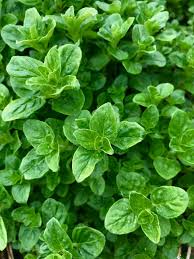
Oregano thrives in warm, dry climates and well-drained soils. It blooms in mid-to-late summer, producing clusters of small, two-lipped flowers. These flowers are typically pinkish-purple or white and are arranged in dense spikes or panicles, which are highly attractive to bees and other pollinators. While Origanum vulgare is the species name for wild oregano, the subspecies hirtum (often called Greek oregano) is generally considered the true culinary oregano with the most potent flavor. It is important to distinguish it from other plants also called “oregano,” such as Mexican oregano (Lippia graveolens), which is from a different botanical family.
Other Names
- English: Oregano, Wild Marjoram, Wintersweet
- Spanish: Orégano
- French: Origan
- Italian: Origano
- Greek: Rígani (ρίγανη)
- German: Oregano, Dost, Wilder Majoran
- Hindi: Sathra (सतरा), Mirzanjosh (मिर्ज़ांजोश)
- Arabic: Za’tar (زَعْتَر) – Note: This name can refer to a herb blend as well.
- Turkish: Kekik
- Portuguese: Orégão
- Mandarin Chinese (中文): Niú zhì (牛至)
- Yoruba: Efirin oyinbo
- Hausa: Daidoya turawa
- Igbo: Nchanwu oyibo
- Swahili: Mrigano
Health Benefits
Oregano’s health benefits are primarily attributed to its high concentration of antioxidants and volatile compounds, most notably carvacrol and thymol.
1. Powerful Antioxidant Properties: Oregano is exceptionally rich in antioxidants, which help protect cells from damage caused by free radicals. Its antioxidant activity, measured by the ORAC (Oxygen Radical Absorbance Capacity) score, is among the highest of all herbs. The primary antioxidants are rosmarinic acid, thymol, and carvacrol.
2. Antimicrobial and Antibacterial Activity: The compounds carvacrol and thymol have been extensively studied for their potent antimicrobial effects. They can help fight a range of bacteria, including E. coli and Salmonella, and are even effective against some antibiotic-resistant strains. Oregano essential oil is particularly powerful in this regard.
3. Anti-inflammatory Effects: The antioxidants in oregano, especially carvacrol and β-caryophyllene (another compound in the oil) inhibit the production of pro-inflammatory mediators, such as prostaglandins and cytokines which have been shown to reduce inflammation in the body, which is a root cause of many chronic diseases like arthritis and other inflammatory disorders.
4. Potential Anticancer Properties: Preliminary in vitro and animal studies suggest that carvacrol and other compounds in oregano may have anti-proliferative effects and can induce apoptosis (programmed cell death) in certain cancer cell lines, including colon, breast, and lung cancers. However, much more research is needed in humans.
5. Digestive Health: Oregano stimulates appetite and has been used in traditional medicine to relieve digestive issues such as bloating, gas, and indigestion. Its carminative properties help soothe the digestive tract.
6. Rich in Nutrients: When consumed fresh or dried, oregano is a good source of Vitamin K, which is crucial for bone health and blood clotting. It also provides fiber, manganese, iron, calcium, and other vitamins.
4. Respiratory Health: Oregano tea or oil is traditionally used to relieve symptoms of colds, coughs, bronchitis, and asthma due to its expectorant and soothing properties.
7. Immune Support: The herb’s antibacterial and antioxidant actions strengthen the immune system and help the body resist infections.
8. Blood Sugar Regulation: Some studies suggest oregano may help lower blood glucose and lipid levels, contributing to diabetes management. The anti-diabetic benefits may involve lowering blood sugar, improving glucose uptake, and protecting pancreatic cells, as observed in rodent and in-vitro studies.
Wound Healing: The anti-inflammatory effects may support wound healing and reduce inflammation in skin cells, with studies showing activity in keratinocytes.
Stress Management: It may alleviate stress and anxiety, with rat studies showing reduced depressive behaviors and improved memory under chronic stress.
Traditional Uses: Treating aching muscles, rheumatism, toothache, cough, asthma, and cramping, dating back to Hippocrates.
Other Benefits
- Culinary Herb: Oregano is a cornerstone herb in Mediterranean, Italian, Greek, and Mexican cuisines. It is used to flavor pizzas, pasta sauces, grilled meats, roasted vegetables, salads, and marinades.
- Essential Oil: Oregano essential oil, steam-distilled from the leaves has antimicrobial and antioxidant properties, and is used in aromatherapy (used in diffusers and massage oils to relieve stress, congestion, and fatigue) and as a natural preservative in food processing and disinfectant.
- Ornamental Plant: Certain cultivars, like Origanum vulgare ‘Aureum’ (Golden Oregano), are grown in gardens for their attractive foliage and flowers.
- Agricultural Use: Oregano extracts serve as natural alternatives to synthetic antibiotics in livestock feed, improving animal health and preventing infections.
- Cosmetic Applications: Oregano oil is used in skincare formulations for its antiseptic, deodorizing, and cleansing effects.
- Bee Forage: The flowers are a valuable source of nectar for honeybees and other pollinators.
How it is Used
- Culinary:
- Dried Oregano: The most common form, where the leaves are dried and crumbled. Drying concentrates the flavor. It is often added during cooking to allow its oils to infuse into the dish.
- Fresh Oregano: Used in salads, as a garnish, or added at the end of cooking for a more delicate flavor. The flavor of fresh oregano is more complex but less intense than dried.
- Medicinal:
- Herbal Tea: A tea can be made by steeping fresh or dried oregano leaves in hot water. This is used to soothe coughs, colds, and digestive discomfort.
- Oregano Oil: A highly concentrated supplement. It must be diluted (e.g., in a carrier oil like olive or coconut oil and water) and applied externally for infections, sore muscles, or skin conditions. It is taken orally in small doses or used topically.
- Tinctures and Capsules: Available as dietary supplements for a concentrated dose of oregano’s active compounds.
- Supplement Form: Oregano oil capsules are taken orally for immune support or intestinal health under medical guidance.
- Aromatherapy: The essential oil can be diffused or inhaled to alleviate cold symptoms and promote relaxation.
Grow in gardens or pots; harvest leaves before flowering for peak flavor. Avoid ingesting undiluted essential oil.
Side Effects / Caution
Oregano is safe for most people when used in typical food amounts. However, medicinal use, especially of the essential oil, requires caution.
- Pregnancy and Breastfeeding: Consuming large medicinal amounts of oregano may not be safe during pregnancy as it can stimulate menstruation and pose a risk of miscarriage. Normal culinary use is likely safe.
- Bleeding Disorders: Oregano might slow blood clotting. In high doses, it could increase the risk of bleeding in people with bleeding disorders.
- Allergies: Individuals allergic to plants in the Lamiaceae family (such as basil, mint, lavender, and sage) may also be allergic to oregano.
- Oregano Essential Oil Toxicity: The essential oil is extremely potent and must never be consumed undiluted. It can cause severe stomach irritation, liver toxicity, and interact with medications. Topical application can cause skin irritation and should always be diluted with a carrier oil.
- Blood Sugar and Surgery: Oregano may lower blood sugar levels and could interfere with blood sugar control during and after surgery. It is advised to stop using oregano medicinally at least two weeks before a scheduled surgery.
- Drug Interactions: Due to its effects on blood clotting and blood sugar, it may interact with diabetes medications and blood thinners (like warfarin).
Consult a doctor before medicinal use, especially with conditions or medications.
References (MLA Format)
- “8 Benefits and Uses of Oregano Oil.” Healthline, www.healthline.com/nutrition/9-oregano-oil-benefits-and-uses. Accessed 20 Oct. 2025.
- “A Review of the Phytochemistry and Antimicrobial Properties of Origanum vulgare L. (Lamiaceae).” PMC, pmc.ncbi.nlm.nih.gov/articles/PMC8457725/. Accessed 20 Oct. 2025.
- “An Up-To-Date Review Regarding Cutaneous Benefits of Origanum vulgare L. (Oregano).” PMC, pmc.ncbi.nlm.nih.gov/articles/PMC9137521/. Accessed 20 Oct. 2025.
- “Oil of Oregano: Benefits, Uses, Side Effects, and More.” Health, www.health.com/health-benefits-of-oil-of-oregano-7508588. Accessed 20 Oct. 2025.
- “Oregano Benefits for Inflammation, Infections & More.” Dr. Axe, draxe.com/nutrition/oregano-benefits/. Accessed 20 Oct. 2025.
- “Oregano Oil Side Effects: What You Should Know.” Healthline, www.healthline.com/health/oregano-oil-side-effects. Accessed 20 Oct. 2025.
- “Oregano Uses, Benefits & Side Effects.” Drugs.com, www.drugs.com/npc/oregano.html. Accessed 20 Oct. 2025.
- “Oregano.” McCormick Science Institute, www.mccormickscienceinstitute.com/resources/culinary-spices/herbs-spices/oregano. Accessed 20 Oct. 2025.
- “Oregano.” National Center for Complementary and Integrative Health, U.S. Department of Health and Human Services, Sept. 2020, www.nccih.nih.gov/health/oregano.
- “Oregano.” Wikipedia, en.wikipedia.org/wiki/Oregano. Accessed 20 Oct. 2025.
- “Oregano: Health benefits, uses, and side effects.” Medical News Today, www.medicalnewstoday.com/articles/266259. Accessed 20 Oct. 2025.
- “Oregano: Health Benefits, Uses, and Who Should Avoid It.” Verywell Health, www.verywellhealth.com/oregano-8412166. Accessed 20 Oct. 2025.
- “Origanum vulgare subsp. vulgare.” GBIF, www.gbif.org/species/7226093. Accessed 20 Oct. 2025.
- “ORIGANUM VULGARE Synonyms: 28 Similar Words & Phrases.” Power Thesaurus, www.powerthesaurus.org/origanum_vulgare/synonyms. Accessed 20 Oct. 2025.
- Aligiannis, N., et al. “Composition and Antimicrobial Activity of the Essential Oils of Two Origanum Species.” Journal of Agricultural and Food Chemistry, vol. 49, no. 9, 2001, pp. 4168–4170.
- Kintzios, Spiridon E. “Oregano.” Medicinal and Aromatic Plants – Industrial Profiles, edited by Spiridon E. Kintzios, vol. 25, CRC Press, 2002.
- Kintzios, Spiridon E. Oregano: The Genera Origanum and Lippia. CRC Press, 2002.
- Leyva-López, N., et al. “Biological Activities of Origanum vulgare L. Essential Oil and Its Components.” Food Science and Human Wellness, vol. 9, no. 1, 2020, pp. 65–75.
- Leyva-López, Nayely, et al. “Essential Oils of Oregano: Biological Activity Beyond Their Antimicrobial Properties.” Molecules, vol. 22, no. 6, 2017, p. 989. MDPI, doi:10.3390/molecules22060989.
- Marchese, A., et al. “Antimicrobial and Antioxidant Properties of Essential Oils from Mediterranean Aromatic Plants: Oregano, Rosemary, and Sage.” Food Chemistry, vol. 174, 2015, pp. 341–347.
- Nostro, A., et al. “Effects of Oregano, Carvacrol, and Thymol on Staphylococcus aureus and Listeria monocytogenes Biofilms.” Food Microbiology, vol. 25, no. 4, 2008, pp. 624–631.
- Ozkan, Aysun, et al. “Antioxidant and Antibacterial Activities of Origanum vulgare subsp. gracile Grown in Turkey.” Journal of Food Processing and Preservation, vol. 44, no. 8, 2020, doi:10.1111/jfpp.14583.
- Özkan, G., et al. “Antioxidant and Antibacterial Activities of Origanum vulgare Extracts.” Journal of Food Science and Technology, vol. 56, no. 3, 2019, pp. 1279–1287.
- Sarikurkcu, C., et al. “Chemical Composition, Antioxidant, and Anticholinesterase Activity of Origanum vulgare subsp. hirtum Essential Oil.” Food Chemistry, vol. 142, 2014, pp. 68–73.
- Zheng, Wei, and Wangen Sheng. “Pharmacological Activity of Carvacrol and Thymol and Their Roles in Inflammation-Associated Cancer.” Current Pharmacology Reports, vol. 6, 2020, pp. 395-409. doi:10.1007/s40495-020-00243-4.