
The Shining Bush with Clear Healing Powers!
Description
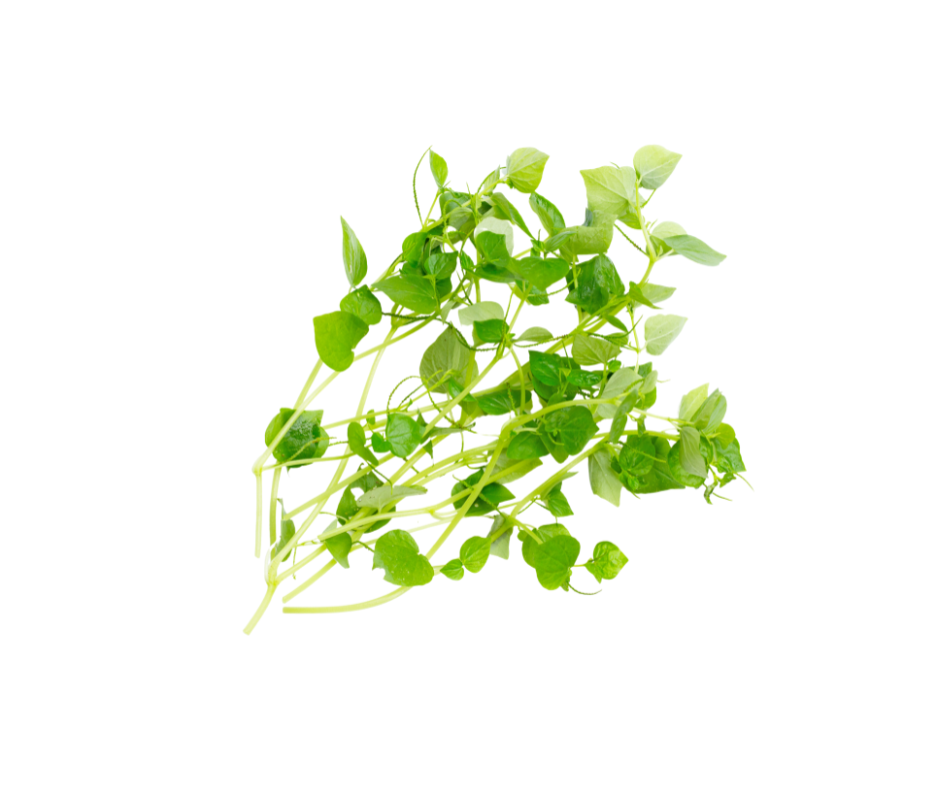
Peperomia pellucida, commonly known as pepper elder, is a herbaceous annual plant belonging to the Piperaceae family, thriving in moist, shady environments such as gardens, roadsides, and under trees during rainy seasons. The plant grows to a height of 15 to 45 cm, featuring succulent, translucent stems that are erect at first and then decumbent, with roots at nodes. Its leaves are heart-shaped or ovate, shiny light-green, measuring 1.5 to 3.5 cm, with 5-7 veins. Flowers are small, bisexual, arranged in spikes, and the seeds are tiny, globose, and papillose. Rich in bioactive compounds like flavonoids, phenols, alkaloids, terpenoids, and essential oils, it contains proximate compositions including high moisture (95.58%), proteins, carbohydrates, and minerals like potassium, calcium, and iron.
Often found thriving in damp, shaded corners of gardens and cracks in pavement, Peperomia pellucida is a humble yet powerful plant revered in traditional medicine across the tropics. Its delicate, almost translucent leaves belie a robust pharmacological profile, earning it a place as a go-to remedy for a variety of common ailments. Its delicate nature and peppery taste make it both a medicinal and culinary plant in several cultures.
Other Names
- English: Pepper Elder, Shining Bush, Silver Bush, Man-to-Man, Crested Pepper, Clear Weed
- Yoruba: Ewe rinrin owo, Renren
- Igbo: Ọkụ-ọkpụkpụ nta
- Hausa: Makarfi
- Malaysia: Ketumpangan air
- Suriname: Koningsbladeren
- Hindi: Luch pata
- French: Herbe à couleuvres
- Spanish: Corazón de hombre
Health Benefits
The health benefits of Peperomia pellucida are attributed to its rich array of phytochemicals, including flavonoids, tannins, saponins, terpenoids, and phytosterols. Modern research is increasingly validating its traditional applications.
- Anti-inflammatory and Analgesic Properties: This is one of its most celebrated uses. Extracts from the plant are effective in reducing inflammation and alleviating pain, making it a traditional remedy for headaches, arthritis, rheumatic joints, gout, and periodontitis. It is traditionally used to treat these inflammatory conditions by interfering with prostaglandin synthesis and promoting osteoblast differentiation for bone healing. Its analgesic effects help alleviate headaches, abdominal pain, colic, and rheumatic pains.
- Antimicrobial Activity: Studies have confirmed its broad-spectrum activity against various bacteria (e.g., Staphylococcus aureus, Bacillus subtilis) and fungi(e.g., Trichophyton mentagrophytes), and parasites like Plasmodium species, making it useful against infections, malaria, and skin issues such as acne, boils, abscesses, and wounds.
- Antioxidant Activity: Antioxidant compounds, including flavonoids and polyphenols (with TPC at 273.33 mg GAE/g and TFC at 199.8 mg QE/g), combat oxidative stress, extending lifespan in models like Drosophila and protecting against diabetes, cardiovascular issues, dengue fever and other chronic diseases.
- Wound Healing and Hair Growth: Crushed leaves are applied topically to wounds to not only prevent infection but also to accelerate the healing process. It also promotes hair growth.
- Uricosuric Effect (Gout Relief): It is traditionally used to lower uric acid levels in the blood, providing relief from the pain and inflammation associated with gout.
- Fever Reduction (Antipyretic): Decoctions of the plant are used to manage fever.
- Gastrointestinal Aid: It is consumed to treat abdominal pain and diarrhea and has gastroprotective properties against ulcers..
- Anticancer Properties: It shows cytotoxicity against cancer cell lines (e.g., HL-60, MCF-7, HeLa).
- Bone and joint health: Traditionally believed to strengthen bones and aid fracture healing.
- Blood pressure regulation: Helps in managing mild hypertension.
- Male libido: Animal studies suggest that it can enhance male libido especially in hyperglycaemic conditions. Research indicates that the plant extract can help male mice recover from diabetes-induced sexual dysfunction and even improve symptoms caused by polycyclic aromatic hydrocarbons (PAHs), which are known to cause sexual and fertility issues. The active ingredient thought to be responsible is piperine, which is also found in black pepper.
- Other Uses: Has been used in different cultures for treating kidney disorders, fever, hypertension, conjunctivitis, impotence, measles, mental disorders, smallpox, and as a diuretic or cough suppressant.
Other Benefits
- Culinary Use: The crisp, succulent leaves and stems are eaten raw in salads or cooked as a leafy vegetable in various cuisines, particularly in the Philippines and parts of South America.
- It serves as a nutritious food source, rich in proteins, minerals, and volatile compounds that impart unique flavors, making it suitable for salads, stir-fries, or as a vegetable (lalaban) in regions like Indonesia and Southeast Asia.
- Acts as a food preservative due to antimicrobial properties.
- It can be fermented or dried into tea for its sensory appeal and potential as a functional food or nutraceutical.
- Ornamental Use: Due to its attractive, shiny foliage and easy-growing nature, it is sometimes grown as an ornamental plant in terrariums and shaded gardens.
- Cultural significance: Used in some traditional healing rituals as a cleansing herb.
- Ecological Benefits: It grows as a weed in disturbed habitats, aiding in soil coverage.
- Future Opportunities: Its extracts show potential in pharmaceuticals for conditions like osteoporosis and cancer.
How It Is Used
Peperomia pellucida is versatile in application.
- Topical Poultice: Fresh leaves are crushed and applied directly as a poultice to wounds, boils, inflamed joints, the forehead (for headaches), or the temples (for eye inflammation).
- Salad or Vegetable: The fresh plant is washed and consumed raw in salads or lightly cooked and served as a side dish to relieve joint pain or lower cholesterol
- Juice:
- Traditionally, the whole plant is crushed and mixed with water for oral intake to stop hemorrhages or treat fevers.
- The crushed plant can also be squeezed, and the juice applied to wounds or taken orally in small amounts.
- Fresh leaves squeezed to obtain juice for treating eye infections and skin rashes.
- Decoction/Tea: The plant is boiled in water for a few minutes to make a tea or decoction, which is drunk to treat internal inflammation, fever, gout, or stomach aches.
- Infused Oil: The plant can be steeped in carrier oil (like coconut oil) to create a medicated oil for massaging sore muscles and arthritic joints.
- Extracts: Aqueous, ethanolic, methanolic, n-hexane, ethyl acetate extracts are prepared by grinding, drying, and soaking. It is used orally or topically at doses like 50 mg/kg for hypertension or 40 mg/kg for diabetes.
- Essential oils: The oil provides antimicrobial benefits, and modern forms include concentrated extracts for pharmaceutical development.
Side Effects/Caution
Peperomia pellucida is generally considered safe with low toxicity, as acute studies show no adverse effects at doses up to 5,000 mg/kg in animals, with no mortality or clinical signs. It is generally considered safe when consumed in culinary amounts or used topically for short periods. However, some cautions exist:
Pregnancy and Breastfeeding: Due to a lack of sufficient safety data, its medicinal use is not recommended for pregnant or breastfeeding women.
Kidney Disorders: Because of its traditional use to treat gout and potentially affect uric acid excretion, individuals with kidney disease or kidney stones should exercise caution and consult a doctor before using it medicinally.
Dosage: While nutritional use is safe, there is no standardized dose for medicinal purposes. Excessive consumption of the decoction or juice should be avoided. Prolonged use (e.g., 500 mg/kg for 28 days) may decrease red blood cell counts, affecting the hematopoietic system, and some fractions (methanol, hexane, ethyl acetate) exhibit toxicity in brine shrimp tests (LC50 45.85–333.91 μg/ml).
Allergy: As with any plant, some individuals may experience allergic reactions or skin irritation from topical application. It has a strong mustard-like odor that may trigger asthma-like symptoms in hypersensitive individuals.
Drug Interactions: It interferes with prostaglandin synthesis, posing risks of additive effects with analgesics or anti-inflammatories, such as GI bleeding or bruising. Those on diuretics, blood pressure medications, or anti-inflammatory drugs should consult a healthcare provider before using it medicinally.
References
- Akinmoladun, F. O., and Komolafe, T. R. Peperomia pellucida: A Review of Its Ethnomedicinal, Phytochemical, and Pharmacological Properties. Journal of Medicinal Plants Research, vol. 15, no. 3, 2021, pp. 102–110.
- Aziba, P. I., et al. Analgesic Activity of Peperomia pellucida Aerial Parts in Mice. Fitoterapia, vol. 72, no. 1, 2001, pp. 57-58.
- Iwu, Maurice M. Handbook of African Medicinal Plants. 2nd ed., CRC Press, 2014.
- Aziba, P. I., et al. Analgesic activity of Peperomia pellucida aerial parts in mice. Fitoterapia, vol. 72, no. 1, 2001, pp. 57–58.
- Kanedi, M. (2022). Pharmacological benefits of plant extract of Peperomia pellucida growing wild in Suburb of Bandar Lampung, Indonesia. World Journal of Advanced Research and Reviews, 13(02), 519–522. DOI: https://doi.org/10.30574/wjarr.2022.13.2.0177
- Khan, S., et al. Traditional Uses and Pharmacological Activities of Peperomia pellucida: A Review. Journal of Ethnopharmacology, vol. 281, 2021, 114552.
- Khan, A., and R. A. Rahman. Antimicrobial and Cytotoxic Activities of Peperomia pellucida. Bangladesh Journal of Pharmacology, vol. 3, no. 1, 2008, pp. 1-4.
- Mollik, M. A. H., et al. A Survey of Medicinal Plants Used by the Folk Medicinal Practitioners of Shetabganj Village, Dinajpur District, Bangladesh. American-Eurasian Journal of Sustainable Agriculture, vol. 4, no. 2, 2010, pp. 163-73.
- Nguyen, Thi My Duyen, et al. Peperomia pellucida’s Ingredients, Antioxidant Properties, and Safe Usage as Food and Herbal Medicine. PMC, National Center for Biotechnology Information, pmc.ncbi.nlm.nih.gov/articles/PMC11637809/.
- Okoro, Samson. (2024). Effects of Peperomia pellucida ethanol leaf extract on PAH-induced changes in lipid profile and reproductive parameters in male Wistar rats. International Journal of Science and Research Archive. 13. 3844-3853. 10.30574/ijsra.2024.13.2.2616.
- Ooi, D. J., et al. Phytochemicals and Antioxidant Properties of Peperomia pellucida L. Aerial Parts. International Journal of Pharma and Bio Sciences, vol. 3, no. 4, 2012, pp. 104-13.
- Peperomia pellucida Uses, Benefits & Dosage. Drugs.com, Drugs.com, 11 Dec. 2024, www.drugs.com/npp/peperomia-pellucida.html.
- Peperomia pellucida (L.) Kunth: Traditional medicinal and its bioactivity. ResearchGate, ResearchGate, 8 Aug. 2025, www.researchgate.net/publication/359626826_Peperomia_pellucida_L_Kunth_Traditional_medicinal_and_its_bioactivity.
- Wei, L. S., et al. Antibacterial Activity of Peperomia pellucida (L.) Kunth Against Staphylococcus aureus and Escherichia coli. Journal of Medicinal Plants Research, vol. 5, no. 24, 2011, pp. 5816-19.