
Description
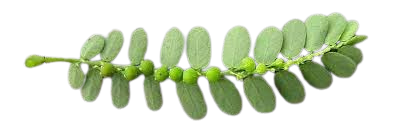
Phyllanthus amarus is a small, erect, annual herb, typically growing 30 to 60 cm tall. It belongs to the Phyllanthaceae family. Native to tropical and subtropical regions, including India, Africa, and the Americas, it thrives in disturbed areas, wastelands, and moist, well-drained soils across Nigeria. Its most distinctive feature is its compound-looking leaves; what appears to be a pinnate leaf is actually a branchlet (called a “phyllanthoid”) with tiny, opposite, oblong leaves arranged in two rows. These leaf-bearing branchlets give the plant a feathery or fern-like appearance. The leaves are small, green, and smooth-edged. The plant bears very small, greenish-white flowers that are solitary and arise from the leaf axils beneath the branchlets. The fruit is a tiny, smooth, green capsule that hangs beneath the branches and contains seeds with fine longitudinal ridges. The entire plant is light green and can form dense clumps. The plant’s extensive root system aids its survival in diverse conditions.
Common Names
This plant is widespread and well-known in Nigerian traditional medicine. Its names are often shared with the similar-looking Phyllanthus niruri, and it is commonly referred to as:
- English: Stonebreaker, Seed-under-leaf, Gale-of-wind, Carry-me-seed.
- Yoruba: Ìyèyè (Iyeye), Ègé-òdò, Èjòbí, Eyin olobe, Oyin olobe, Iyagbo
- Igbo: Ngwu, Ikeda ugo, Iyin olobe, Ogwu nwa nza, Enyi kwo nnwa
- Hausa: Maka yaya, Geeron-tsuntsaaye
- Edo: Iyin-obibo
- Ayurvedic: Bhumi amla
Health Benefits
Phyllanthus amarus is one of the most extensively researched medicinal plants globally, particularly for its hepatoprotective and antiviral properties.
- Liver Protection and Hepatitis B Treatment: This is its most celebrated use. Numerous studies have shown its efficacy in treating viral hepatitis, particularly Hepatitis B. It is believed to inhibit the replication of the virus and protect liver cells (hepatocytes) from damage. It is also used for jaundice and liver cirrhosis. It protects the liver from damage caused by toxins (e.g., carbon tetrachloride, alcohol), reduces liver enzyme levels (ALT, AST).
- Kidney Stone Prevention: True to its name “Stonebreaker,” it is traditionally used to prevent and eliminate kidney stones. It may help by reducing the concentration of stone-forming substances like calcium oxalate in the urine. It also promotes urine production.
- Antioxidant Activity: The plant is rich in lignans, flavonoids, and tannins, which are powerful antioxidants that help neutralize free radicals and reduce oxidative stress in the body.
- Antimicrobial and Antiviral Properties: Extracts have demonstrated activity against various pathogens, including bacteria (e.g., Escherichia coli, Staphylococcus aureus), fungi (e.g., Candida albicans), and viruses (besides hepatitis), supporting its use for fevers, malaria, and infections. It is highly effective against hepatitis B and C, inhibiting viral replication and reducing viral load; also shows activity against HIV and other viruses.
- Anti-inflammatory and Pain Relief: It is used to treat inflammatory conditions like gout, arthritis, and general pain. It reduces inflammation in edema models and provides pain relief comparable to standard drugs like aspirin.
- Anti-diabetic Effects: Studies indicate that it can help lower blood sugar levels, making it a common traditional remedy for managing diabetes.
- Anticancer: Exhibits cytotoxicity against cancer cell lines (e.g., HepG2, MCF-7) by inducing apoptosis and inhibiting tumor growth.
- Antimalarial: Active against Plasmodium species, used traditionally for malaria treatment.
- Digestive health: Used to relieve constipation, stomach pain, and indigestion.
- Other: Treats gastrointestinal disorders (diarrhea, dysentery), skin infections, hypertension, and respiratory issues like asthma.
Other Benefits
Phyllanthus amarus offers ecological and practical uses:
- Ecological: Stabilizes soil in disturbed areas, supports biodiversity, and grows as a pioneer species in degraded lands.
- Agricultural: Leaf extracts are used as bio-pesticides due to antimicrobial properties; potential as a natural herbicide.
- Soil medicine: Because it grows easily in disturbed soils, it is often considered an indicator of fertile ground.
- Traditional Rituals: In some cultures, it may be used in protective rituals or ceremonies.
- Livestock health: Sometimes included in traditional animal care remedies.
How It Is Used
The entire aerial parts of the plant (leaves, stems, roots) are used medicinally.
- Fresh Juice: The fresh plant is pounded and the extracted juice is taken orally, often considered the most potent form.
- Decoction:
- The plant material is boiled in water for a longer period to extract its compounds, resulting in a stronger, more bitter liquid.
- The aqueous or ethanolic extracts (100–400 mg/kg) taken orally as decoctions, infusions, or teas for liver disorders, diabetes, malaria, and infections.
- The roots are boiled for jaundice and menstrual disorders; used in combination with other herbs for respiratory issues.
- In Nigerian traditional medicine, the plant is often boiled with other herbs (e.g., lime, garlic) for oral consumption or soaked in water for topical use.
- Infusion/Tea: The dried or fresh whole plant is steeped in hot water to make a tea.
- Powder: The dried plant is ground into a powder, which can be encapsulated or mixed with water or food and taken for kidney stones and digestive issues.
- Poultice: The crushed fresh plant is applied topically to treat skin ulcers, wounds, and skin infections.
- Modern: Standardized extracts in capsules or tablets for liver support; incorporated into herbal formulations for antiviral and hepatoprotective therapies.
Side Effects / Caution
Phyllanthus amarus is generally safe at recommended doses, with acute toxicity studies showing LD50 >2000 mg/kg in rats. While generally considered safe when used appropriately, caution is advised.
- Hypoglycemia: Due to its blood sugar-lowering effects, it may cause hypoglycemia (dangerously low blood sugar), especially in individuals already on diabetes medication.
- Drug Interactions: It can interact with several classes of drugs, including:
- Diabetes medications: Potentiating their effect.
- Blood pressure medications: It may lower blood pressure.
- Anticoagulants (blood thinners): It may increase the risk of bleeding.
- Pregnancy and Lactation: Its safety during pregnancy and breastfeeding has not been established. Due to its potent pharmacological effects, it is strongly advised to avoid use during these times.
- Auto-immune Diseases: Because it may stimulate the immune system, it could potentially worsen symptoms of auto-immune diseases (e.g., multiple sclerosis, lupus, rheumatoid arthritis). Individuals with such conditions should avoid it.
- Contamination: Ensure plant material is free from pesticides or heavy metals. Consult a healthcare provider, especially for chronic conditions or concurrent medication use.
- Dosage: Excessive consumption can lead to stomach upset, including diarrhea.
- Allergies: Rare allergic reactions in sensitive individuals; test small doses first.
- Long-term use: Continuous high-dose consumption may affect kidney function.
Always seek the advice of your physician or other qualified health provider with any questions you may have regarding a medical condition. Do not disregard professional medical advice or delay in seeking it because of something you have read here.
References
- “Phyllanthus amarus.” Useful Tropical Plants Database, Ken Fern, tropical.theferns.info/viewtropical.php?id=Phyllanthus+amarus. Accessed 16 Sept. 2025.
- “Phyllanthus amarus.” Wikipedia, Wikimedia Foundation, 12 Aug. 2025, en.wikipedia.org/wiki/Phyllanthus_amarus. Accessed 16 Sept. 2025.
- Adegoke, A. A., et al. “Phytochemical and Pharmacological Studies of Phyllanthus amarus Schum. & Thonn.” Journal of Medicinal Plants Research, vol. 4, no. 20, 2010, pp. 2176-2182.
- Adeneye, A. A., et al. “The Methanol Seed Extract of Phyllanthus amarus Improves Kidney and Liver Functions and Lowers Blood Pressure in Acute Renal Failure and Hypertensive Rats.” Journal of Ethnopharmacology, vol. 150, no. 1, 2013, pp. 213-21. DOI: 10.1016/j.jep.2013.08.033.
- Akinmoladun, F. O., et al. “Pharmacological and therapeutic potential of Phyllanthus amarus.” Journal of Medicinal Plants Research, vol. 10, no. 9, 2016, pp. 125–133.
- Burkill, H. M. The Useful Plants of West Tropical Africa. Vol. 2, Families E–I. Royal Botanic Gardens, Kew, 1994.
- Calixto, J. B., et al. “A review of the plants of the genus Phyllanthus: Their chemistry, pharmacology, and therapeutic potential.” Medicinal Research Reviews, vol. 18, no. 4, 1998, pp. 225–258.
- Kassuya, C. A., et al. “Anti-inflammatory and Antiallodynic Actions of the Lignan from Phyllanthus amarus.” European Journal of Pharmacology, vol. 546, no. 1-3, 2006, pp. 182-88. DOI: 10.1016/j.ejphar.2006.07.025.
- Oluwafemi, F. D., and O. O. Oloruntele. “Antimicrobial Activity of Phyllanthus amarus and Cassia alata.” Journal of Natural Products, vol. 3, 2010, pp. 102-05.
- Patel, J. R., et al. “Phyllanthus amarus: Ethnomedicinal Uses, Phytochemistry and Pharmacology—A Review.” Journal of Ethnopharmacology, vol. 138, no. 2, 2011, pp. 286-313.
- Patel, J. R., et al. “Phyllanthus amarus: Ethnomedicinal uses, phytochemistry and pharmacology: A review.” Journal of Ethnopharmacology, vol. 138, no. 2, 2011, pp. 286–313.
- Sofowora, Abayomi. Medicinal Plants and Traditional Medicine in Africa. 3rd ed., Spectrum Books Limited, 2008.
- Srirama, R., et al. “Hepatoprotective Activity of Phyllanthus amarus Schum. et. Thonn. Extract in Ethanol Treated Rats: In Vitro and In Vivo Studies.” Journal of Ethnopharmacology, vol. 126, no. 2, 2009, pp. 203-207.
- Thyagarajan, S. P., et al. “Effect of Phyllanthus amarus on Chronic Carriers of Hepatitis B Virus.” The Lancet, vol. 332, no. 8614, 1988, pp. 764-66.
- Uchegbu, R. I., and C. N. Okwuosa. “Evaluation of Anti-inflammatory and Analgesic Activities of Phyllanthus amarus in Albino Rats.” International Journal of Pharmaceutical Sciences and Research, vol. 5, no. 3, 2014, pp. 1031-1036.
- Verma, R. J., and A. M. Asnani. “Antioxidative Activity of Phyllanthus amarus.” Journal of Environmental Biology, vol. 30, no. 2, 2009, pp. 295-98.