
Description
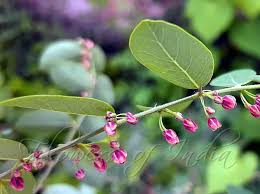
Phyllanthus reticulatus is a perennial shrub or small scrambling tree, often reaching 2-5 meters in height. It belongs to the Phyllanthaceae family. It is characterized by its dense, bushy growth and slender, often drooping branches. The leaves are small, alternate, and oval-shaped, resembling those of many other Phyllanthus species. A key identifying feature is its intricate network of fine veins on the leaf underside, which is referenced in its name “reticulatus” meaning “netted.” The plant produces very small, greenish-yellow or whitish flowers that are inconspicuous. Its most noticeable feature is its fruit: small, juicy berries that ripen from green to a dark purple, reddish-purple, or almost black color. These berries are attractive to birds and other wildlife. The stem bark is typically pale grey or brownish. Native to tropical and subtropical Asia, northern Australia and Africa, including Nigeria, where it grows in savannas, forest margins, and riverbanks. It thrives in moist, well-drained soils, often along watercourses, in scrub, hedges, waste places, and mixed evergreen forests, up to 2000 m altitude.
Common Names
This plant is indigenous to many parts of Nigeria and is known by various names in local languages:
- Yoruba: Ìyèyè (Iyeye), Ègé-òdò
- Igbo: Nzúnzu, Uju
- Hausa: Tsada, Geza, Alambu or Kalambu,
- English: Poison-leaf, Black-Honey Shrub, Potato-bush, Net-veined Leaf-flower.
Health Benefits
Phyllanthus reticulatus has a long history of use in African and Ayurvedic traditional medicine. Modern scientific studies are beginning to validate some of these uses, though more clinical research is needed.
- Antioxidant Properties: Extracts from the leaves, stems, and roots are rich in flavonoids and phenolic compounds, giving them strong antioxidant activity that helps combat oxidative stress. Extracts scavenge free radicals (DPPH assay), reduce oxidative stress (protein carbonyl), and lower lipid peroxidation in hypercholesterolemic models.
- Anti-inflammatory and Analgesic (Pain Relief): The plant is traditionally used to treat inflammatory conditions like arthritis, gout, and general pain. Scientific studies on animal models have supported its anti-inflammatory and pain-relieving effects. Fruit and leaf extracts inhibit inflammation in carrageenan-induced paw edema models, effective against arthritis and pain.
- Antimicrobial Activity: Research has shown that extracts possess broad-spectrum antimicrobial properties, effective against various bacteria (e.g., Staphylococcus aureus) and fungi (e.g., Trichophyton rubrum). The iron nanoparticles from leaves enhance activity. This validates its traditional use for treating wounds, skin infections, and diarrhea.
- Management of Diabetes: Several studies have indicated that extracts of P. reticulatus can significantly lower blood glucose levels, supporting its traditional use as an anti-diabetic agent.
- Hepatoprotective (Liver Protection): Compounds in the plant have demonstrated protective effects on the liver in studies, helping to mitigate damage caused by toxins.
- Treatment of Skin Diseases: The leaves and bark are commonly used to treat boils, rashes, and other skin ailments due to their antimicrobial and anti-inflammatory properties.
- Antidiabetic: Leaf extracts (petroleum ether and ethanolic) reduce blood glucose levels in alloxan-induced diabetic mice, comparable to glibenclamide at higher doses. Decoctions from the leaves and roots are traditionally employed to regulate blood sugar levels.
- Anticancer: Methanolic leaf extracts show cytotoxicity against HCT-116 colon cancer cells (28.56% inhibition at 24 hours) and other lines like HeLa and MCF-7.
- Hypolipidemic: Reduces total cholesterol, LDL, triglycerides, and increases HDL in hypercholesterolemic rats.
- Antiulcer: Prevents ethanol-induced gastric ulcers by downregulating IL-8 and TNF-α.
- Respiratory health: Decoctions are administered for cough, asthma, and bronchitis.
- Antimalarial and Antiviral: Active against Plasmodium and hepatitis B virus.
- Other: Diuretic, cooling agent, remedy for diarrhea, asthma, syphilis, bleeding gums, and oral health maintenance.
Other Benefits
Beyond medicinal uses, Phyllanthus reticulatus provides ecological and practical value:
- Ecological: Hardy species that stabilizes riverbanks, supports biodiversity in riverine thickets and scrublands; aids in soil erosion control and habitat for pollinators like Epicephala moths.
- Industrial and Cosmetic: Fruits yield pH-sensitive anthocyanins for natural dyes in textiles (good fastness on cotton) and acid-base indicators; formulated into safe herbal hair colors as an alternative to synthetic dyes, avoiding skin irritation and cancer risks.
- Live Fencing: The dense, thorny (in some varieties) nature of the shrub makes it useful for creating live fences and boundaries around homesteads and farms.
- Agricultural: Leaf extracts synthesize iron nanoparticles as biofertilizers and antimicrobial agents for crop protection.
- Dye: The fruits and bark can be used to make a dark dye used traditionally in coloring fabrics and hair.
- Fodder: The leaves are sometimes used as fodder for livestock, particularly goats.
- Oral Hygiene: Twigs used as chew sticks; dried leaf powder for dental care.
How It Is Used
Different parts of the plant are prepared in various ways for medicinal purposes:
- Decoction and Extracts:
- The leaves, stem bark, or roots are boiled in water for several minutes. The resulting liquid is strained and drunk for conditions like diabetes, fever, diarrhea, and stomach aches.
- Bark decoctions is used as astringent and diuretic for urinary disorders and wounds. It is also used in traditional remedies for respiratory issues and liver health.
- The fruits Hydro-alcoholic extracts (200–400 mg/kg) is used for anti-inflammatory and antiulcer treatments; pulp extracts as natural pH indicators or dyes.
- The roots decoctions are taken for digestive problems, dysentery, and diabetes management.
- Infusions of the leaves are consumed for coughs and fevers.
- Paste or Poultice: Fresh leaves or roots are crushed into a paste and applied topically to wounds, boils, skin rashes, and inflamed joints.
- Chewing Sticks: Fresh stems are used as chewing sticks (natural toothbrushes) for oral hygiene due to their antimicrobial properties, which help fight gum disease and tooth decay.
- Bath Infusion: Leaves and twigs are soaked in bath water or boiled and the water is used to bathe, treating skin diseases and reducing fever.
- Food and dye: The ripe fruits are edible and used to produce natural dye.
Side Effects / Caution
Phyllanthus reticulatus is generally considered safe with no major toxicity reported in studies. Acute oral toxicity tests show low toxicity (LD50 >2000 mg/kg in rats), with extracts well-tolerated up to 1000 mg/kg. While traditionally used for centuries, responsible and informed use is critical.
- Cyanogenic Glycosides: The plant, particularly the leaves, is reported to contain cyanogenic glycosides, which can release cyanide in the body under certain conditions. This is why one of its English names is “Poison-leaf.”
- Drug Interactions: Due to its potent effects on blood sugar, it may interact with diabetes medication, potentially causing hypoglycemia (dangerously low blood sugar). It may also interact with blood pressure medications.
- Dosage: Overconsumption or using very concentrated extracts can lead to toxicity due to the compounds mentioned above. Symptoms may include dizziness, nausea, and vomiting.
- Pregnancy and Lactation: Its safety for pregnant or breastfeeding women has NOT been established. It is strongly advised to avoid use during these times.
- Contamination: Ensure contaminant-free sourcing; consult healthcare providers before use, especially with chronic conditions.
- Allergic reactions: Some individuals may experience skin irritation when applying crushed leaves directly.
Always consult a qualified healthcare provider or a trained herbalist before using any plant for medicinal purposes.
References (MLA Format)
“Phyllanthus reticulatus.” Useful Tropical Plants Database, Ken Fern, tropical.theferns.info/viewtropical.php?id=Phyllanthus+reticulatus. Accessed 16 Sept. 2025.
“Phyllanthus reticulatus.” Wikipedia, Wikimedia Foundation, 17 May 2023, en.wikipedia.org/wiki/Phyllanthus_reticulatus. Accessed 16 Sept. 2025.
Agyare, C., et al. “Antimicrobial and Anti-Inflammatory Activities of Phyllanthus reticulatus Poir. (Euphorbiaceae).” Journal of Ethnopharmacology, vol. 99, no. 3, 2005, pp. 391-95.
Akinmoladun, Foluso Olajumoke, et al. “Phytochemical constituents and medicinal properties of Phyllanthus reticulatus Poir.” Journal of Medicinal Plants Research, vol. 8, no. 23, 2014, pp. 823–828.
Burkill, H. M. The Useful Plants of West Tropical Africa. 2nd ed., vol. 4, Royal Botanic Gardens, Kew, 1985.
Burkill, H. M. The Useful Plants of West Tropical Africa. Vol. 2, Families E–I. Royal Botanic Gardens, Kew, 1994.
Hussain, Zainul, et al. “Pharmacological review on Phyllanthus reticulatus.” International Journal of Pharmaceutical Sciences and Research, vol. 6, no. 5, 2015, pp. 1949–1957.
Ifeoluwa, Oluwafemi T., et al. “Effects of Phyllanthus reticulatus on Lipid Profile and Oxidative Stress in Hypercholesterolemic Albino Rats.” Pharmacognosy Research, vol. 2, no. 6, 2010, pp. 350-354.
Jaya, B., and Rashmi, T. “Anticancer Effect of Phyllanthus reticulatus Methanolic Leaf Extract on HCT-116 Colon Cancer Cell Line Using GC-MS and FTIR Analysis.” Archives of Razi Institute, vol. 79, no. 5, 2024, pp. 1013-1021.
Khan, M. A., et al. “Traditional uses of Phyllanthus species: A review.” Journal of Ethnopharmacology, vol. 245, 2019, 112–120.
Kumar, Mukesh, et al. “Pharmacognostic Study and Anti-Inflammatory Activity of Phyllanthus reticulatus Poir. Fruit.” Asian Pacific Journal of Tropical Biomedicine, vol. 2, no. 11, 2012, pp. 889-893.
Manjula, V., and Norman T. S. J. “Phyllanthus reticulatus for Oral Health.” Journal of Medicinal Plants Studies, vol. 5, no. 5, 2017, pp. 117-119.
Moshi, M. J., et al. “Antioxidant Activity and Cytotoxicity of Phyllanthus reticulatus Poir. (Euphorbiaceae).” African Journal of Traditional, Complementary and Alternative Medicines, vol. 7, no. 1, 2010, pp. 34-40.
Odukoya, J. O., et al. “Antioxidant and Antimicrobial Activities of Phyllanthus reticulatus Poir. (Euphorbiaceae) Leaf Extract.” Journal of Pharmacognosy and Phytotherapy, vol. 9, no. 2, 2017, pp. 13-22. DOI: 10.5897/JPP2016.0418.
Oloyede, G. K., et al. “Antidiabetic and Antioxidant Activities of Phyllanthus reticulatus Fruit in Alloxan-Induced Diabetic Rats.” Pharmacognosy Research, vol. 7, no. 3, 2015, pp. 238-48. DOI: 10.4103/0974-8490.157995.
Patel, D. K., et al. “Antidiabetic Potential of Phyllanthus reticulatus in Alloxan-Induced Diabetic Mice.” Fitoterapia, vol. 78, no. 7-8, 2007, pp. 587-589.
Sofidiya, Margaret O., et al. “Ethnobotanical Survey of Medicinal Plants Used for the Treatment of Diabetes in Southwestern Nigeria.” Journal of Natural Remedies, vol. 22, no. 1, 2022, pp. 103-14.
Srivastav, Prashant, et al. “Phyllanthus reticulatus Poir. – An Important Medicinal Plant: A Review of Its Phytochemistry, Traditional Uses and Pharmacological Properties.” International Journal of Pharmaceutical Sciences and Research, vol. 15, no. 10, 2024, pp. 1-12.
Unni, K. S., et al. “Phyllanthus reticulatus Prevents Ethanol-Induced Gastric Ulcer via Downregulation of IL-8 and TNF-α Levels.” BioMed Research International, vol. 2021, 2021, pp. 1-12.