
Names
- English: Purslane; Pigweed; Verdolaga.
- Hausa: Gurguzu or Gurguzu yara
- Igbo: Nti oke or Nti nwa
- Yoruba: Esan omode or Papasan
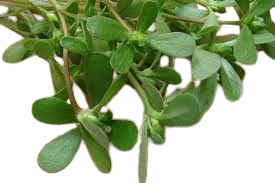
Health Benefits
Portulaca oleracea is recognized for its rich nutritional profile and medicinal properties, offering numerous health benefits:
- Rich in Nutrients: Purslane is a powerhouse of vitamins and minerals, including vitamins A, C, and E, as well as magnesium, calcium, potassium, and iron. It is one of the richest plant sources of omega-3 fatty acids, particularly alpha-linolenic acid (ALA), which supports heart health.
- Antioxidant Properties: Contains antioxidants like betalain and flavonoids, which help reduce oxidative stress and may lower the risk of chronic diseases such as cancer and cardiovascular issues.
- Anti-inflammatory Effects: The plant’s compounds, including omega-3s and mucilage, can reduce inflammation, potentially aiding conditions like arthritis or inflammatory bowel disease.
- Blood Sugar Regulation: Studies suggest purslane may improve insulin sensitivity and help manage type 2 diabetes due to its polysaccharide content. It is traditionally used to lower blood sugar levels and manage type 2 diabetes.
- Immune Support: High vitamin C content boosts the immune system, aiding in infection resistance and wound healing.
- Skin Health: Used for treating eczema, boils, and other skin conditions due to its soothing and healing effects. It is applied topically.
- Gastrointestinal Health: Helps in treating diarrhea, ulcers, and gastrointestinal infections.
- Antimicrobial: Exhibits antibacterial and antifungal properties effective against several pathogens.
- Supports Heart Health: Omega-3s help lower cholesterol and improve cardiovascular function.
Other Benefits
Beyond health, Portulaca oleracea has additional uses:
- Culinary Versatility: Its tangy, slightly salty flavor makes it a popular ingredient in salads, soups, and stews, enhancing dishes with both taste and nutrition.
- Agricultural Benefits: Purslane is a hardy plant that thrives in poor soils, acting as a ground cover to prevent erosion and suppress weeds. It can also improve soil health by adding organic matter.
- Cosmetic Applications: Extracts are used in skincare products for their hydrating and anti-aging properties due to the presence of mucilage and antioxidants.
- Animal Feed: Sometimes used as feed for livestock due to its high protein and moisture content.
- Environmental Resilience: As a drought-tolerant plant, it’s valuable in sustainable agriculture, especially in arid regions.
- Animal Feed: Used as forage for livestock.
How It Is Used
Portulaca oleracea is used in various forms across Nigeria and globally:
- Culinary: Fresh leaves and stems are eaten raw in salads or cooked in soups and stews, particularly in Nigerian dishes like egusi or vegetable stew. It can also be stir-fried or blended into smoothies.
- Traditional Medicine: In Nigerian herbal practices, purslane is used to treat ailments like headaches, stomach issues, and skin conditions. It’s often consumed as a tea or applied as a poultice.
- Dried Powder: Sometimes dried and ground into powder for use in herbal remedies or supplements.
- Juicing and Extracts: The plant is juiced or processed into extracts for medicinal or cosmetic purposes.
- Ornamental: In some regions, purslane’s vibrant flowers make it a decorative plant in gardens.
Side Effects/Caution
While generally safe, there are some precautions to consider:
- Oxalate Content: Purslane contains oxalates, which may contribute to kidney stone formation in susceptible individuals. Those with a history of kidney stones should consume it in moderation.
- Allergic Reactions: Rare cases of allergic reactions, such as skin rashes, may occur in sensitive individuals.
- Drug Interactions: Purslane’s blood-thinning properties (due to omega-3s) may interact with anticoagulant medications. It can interact with diuretics or medications for blood sugar and blood pressure also. Consult a healthcare provider if on such drugs.
- Pregnancy and Breastfeeding: Limited research exists on its safety during pregnancy or breastfeeding, so caution is advised.
- Pesticide Contamination: As a wild or cultivated plant, ensure it’s sourced from clean environments to avoid pesticide or pollutant exposure.
References
- Ezeabara, Chinelo A., et al. “Nutritional and Medicinal Importance of Portulaca oleracea L.: A Review.” Journal of Medicinal Plants Studies, vol. 7, no. 4, 2019, pp. 124-129.
- Ezekwesili, C. N., et al. “Phytochemical and anti-ulcer properties of Portulaca oleracea leaf extract.” Asian Pacific Journal of Tropical Disease, vol. 4, no. 1, 2014, pp. 20–25.
- Iranshahy, Mehrdad, and Behjat Javadi. “Traditional Uses, Phytochemistry, and Pharmacology of Portulaca oleracea L.” Journal of Ethnopharmacology, vol. 205, 2017, pp. 158-172.
- Liu, L., et al. “Purslane (Portulaca oleracea L.): A mini review of its nutritional and pharmacological properties.” Journal of Pharmacology and Pharmacognosy Research, vol. 6, no. 4, 2018, pp. 191–199.
- Okafor, J. C. “Edible Indigenous Plants of Nigeria.” Tropical Agriculture, vol. 60, no. 3, 1983, pp. 167-174.
- Omale, James, and Patrick Ehimwenma Orukpe. “Medicinal and Nutritional Benefits of Portulaca oleracea (Purslane).” International Journal of Advanced Research, vol. 4, no. 7, 2016, pp. 1-8.
- Simopoulos, Artemis P. “The Importance of the Ratio of Omega-6/Omega-3 Essential Fatty Acids.” Biomedicine & Pharmacotherapy, vol. 56, no. 8, 2002, pp. 365-379, doi:10.1016/S0753-3322(02)00253-6.
- Uddin, M. K., et al. “Purslane (Portulaca oleracea L.): A review of ethnobotany, phytochemistry and pharmacology.” Journal of Ethnopharmacology, vol. 163, 2015, pp. 1–15.
- Uddin, Md. Kamal, et al. “Phytochemical, Pharmacological, and Ethnomedicinal Uses of Portulaca oleracea L.” Journal of Ethnopharmacology, vol. 155, no. 1, 2014, pp. 925-938.
- Uddin, Md. Kamal, et al. “Purslane Weed (Portulaca oleracea): A Prospective Plant Source of Nutrition, Omega-3 Fatty Acid, and Antioxidant Attributes.” The Scientific World Journal, vol. 2014, 2014, doi:10.1155/2014/951019.
- USDA. “Portulaca oleracea L.” Plants Database. United States Department of Agriculture, https://plants.usda.gov/home/plantProfile?symbol=POOL.