
A Versatile Medicinal and Culinary Plant
Description
Pterocarpus santalinoides, an evergreen small tree from the Papilionaceae family (Leguminosae – Papilionoideae, Fabaceae), is a valuable plant native to tropical and subtropical regions of Africa and South America. Revered for its medicinal, nutritional, and ecological significance, this plant has been a staple in traditional medicine and culinary practices, particularly in Nigeria. This article explores its various names, health benefits, additional uses, preparation methods, potential side effects, and supporting references.
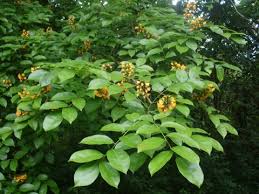
Other names
- English: Winged fruit, African rosewood, Red sandalwood
- Igbo: Nturukpa, Mutititi
- Yorùbá: Gbẹ̀ngbọ̀/Gbengbe
- Hausa: Gunduru, Gyadar kurmi
- Akan (Ghana): Soro wisa
- Bambara (Mali): Dié
- French: Santal rouge
Health Benefits
Pterocarpus santalinoides is celebrated for its rich nutritional and phytochemical profile, which includes saponins, alkaloids, flavonoids, tannins, phenolic compounds, and minerals like calcium, potassium, and phosphorus. Its leaves, bark, and seeds contribute to a range of health benefits, supported by traditional use and emerging scientific research:
- Antibacterial Activity: Extracts from the leaves, stem bark, and roots exhibit antimicrobial effects against bacteria such as Staphylococcus aureus, Escherichia coli, Salmonella spp., and Pseudomonas aeruginosa. The stem bark shows bactericidal effects, while leaves and roots have both bactericidal and bacteriostatic properties, attributed to tannins, flavonoids, and alkaloids.
- Antioxidant Effects: The plant’s polyphenols, flavonoids, and anthocyanins act as free radical scavengers, reducing oxidative stress and potentially lowering the risk of cardiovascular diseases, cancers, and aging-related conditions.
- Antidiabetic Properties: Methanol extracts significantly reduce fasting blood glucose in alloxan-induced diabetic rats, possibly through α-glucosidase and α-amylase inhibition, making it a potential natural remedy for diabetes management.
- Antitrypanosomal Activity: Studies show that the plant extract reduces parasitemia in rats infected with trypanosomiasis, improving survivability and blood parameters like packed cell volume and erythrocyte count.
- Anti-inflammatory Effects: The plant contains bioactive compounds that help reduce inflammation, making it useful in treating conditions like arthritis. Leaf, stem bark, and root extracts inhibit edema in carrageenan-induced rat models, suggesting benefits for inflammatory conditions like arthritis.
- Antimalarial Activity: Stem extracts show slight activity against Plasmodium falciparum strains, indicating potential in malaria treatment.
- Antipyretic Effects: Leaf extracts reduce fever in pyrexia-induced rats, comparable to aspirin, due to anti-inflammatory steroids.
- Pain Relief: It is used in traditional medicine to alleviate pain, including headaches and joint pain.
- Gastrointestinal Health: Methanol leaf extracts inhibit diarrhea and gastrointestinal motility in castor oil-induced diarrheal rats, likely through histaminergic and cholinergic mechanisms. The leaves and bark are used to treat diarrhea, dysentery, and stomach ulcers.
- Liver Protection: The leaf extract lowers liver enzymes and enhances antioxidant enzymes in rats with CCl4-induced hepatotoxicity, restoring hepatocellular integrity.
- Lipid-Lowering Effects: Aqueous leaf infusions reduce serum cholesterol, supporting cardiovascular health through antioxidant properties.
- Wound care & fevers (traditional): Decoctions applied externally to promote wound healing; also used for hemorrhoids and fever in folk practice.
- Respiratory & obstetric folk uses: Bark/leaves/roots taken for bronchial complaints; some communities use preparations to ease childbirth or prevent miscarriage (traditional reports only).
These benefits underscore the plant’s therapeutic potential in traditional and modern medicine.
Other benefits
Beyond its medicinal properties, Pterocarpus santalinoides offers additional ecological, economic, and cultural benefits:
- Culinary Use: The young, tender leaves are edible and commonly used in soups in Nigeria, providing nutritional value with high carbohydrate (51.37%), protein (16.32%), and mineral content. roasted seeds are edible (raw seeds are toxic).
- Ornamental Value: Its attractive foliage and yellow to orange-yellow flowers make it a desirable ornamental plant in tropical and subtropical landscapes.
- Ecological Role: Fast-growing, nitrogen-fixing tree used for shade, windbreaks, and soil conservation; leaf litter can improve soil Ca and Mg; suitable for alley cropping. As a member of the Fabaceae family, it contributes to soil fertility through nitrogen fixation, supporting sustainable agriculture in riverine forests.
- Economic Potential: The plant’s seeds, leaves, and bark have commercial value in herbal medicine markets. Roasted seeds, tasting similar to groundnuts, are sold as snacks, while the wood’s high tannin content is used in dyeing and leather industries.
- Vector control: Seed oil shows larvicidal activity against Aedes aegypti (dengue vector) under lab conditions, with low observed toxicity to tadpoles at tested doses.
- Dye/tannin & light timber: Bark and wood contain tannins; bark exudate used for brown-reddish textile dye; wood used locally for light carpentry, fencing, and fuel.
How It Is Used
Pterocarpus santalinoides is utilized in various forms for both medicinal and culinary purposes:
- Traditional Medicine: In Southern Nigeria and Ivorian villages, leaves are combined with other herbs to treat blood parasitic infections like trypanosomiasis and malaria. Bark is used for tooth and mouth diseases, while resin serves as an astringent for severe diarrhea.
- Culinary Preparation: Young leaves are cooked in soups or stews, often combined with other vegetables, to enhance nutritional content.
- Herbal Decoction: Leaves or bark are boiled to create decoctions used for fever, diarrhea, dysentery, and wound healing.
- Powder: The dried bark is ground into powder and used for wounds.
- Topical Application: Leaf pastes or bark resin are applied to treat skin conditions like eczema, candidiasis, and acne, or to promote wound healing.
- Seed Consumption: Roasted seeds are eaten as a snack, but raw seeds are avoided due to toxicity.
- Dye Extraction: The heartwood is processed to extract red dye for fabric coloring.
- Wash/Compress (external): Leaf or bark decoction applied to wounds, hemorrhoids, and for fevers.
- Larvicide (research setting): Seed oil prepared in measured concentrations and applied to mosquito larvae in controlled environments (not a household practice).
Practical note: Community recipes vary; avoid precise dosing unless guided by a qualified practitioner. When using as food, cook thoroughly and never eat the seeds raw.
Side effects and caution
While Pterocarpus santalinoides is generally safe at moderate doses, precautions are necessary:
- Toxicity: Acute toxicity tests of the leaves and bark show no significant adverse effects at 5000 mg/kg in rats, indicating relative safety. Uncooked seeds are toxic; roasting removes toxicity reported in food use.
- Pregnancy & breastfeeding: Given traditional obstetric uses and insufficient clinical safety data, avoid medicinal use in pregnancy/breastfeeding unless advised by a clinician.
- Drug interactions & conditions: Tannins may irritate the stomach and reduce absorption of some drugs/iron; separate from medicines and iron-rich meals. Stop use if GI upset, rash, or breathing issues occur. (General phytomedicine precaution; specific interactions not well studied.)
- Identification: Common names overlap with other “rosewoods/red sandalwoods.” Verify the species (P. santalinoides) before use.
- Anti-nutrients: The plant contains phytic acid, hydrogen cyanide, and oxalates, which may interfere with nutrient absorption if consumed in large quantities.
- Allergic Reactions: Topical use may cause mild redness or itching in sensitive individuals, necessitating a patch test.
- Medical Consultation: Pregnant or breastfeeding women and individuals with medical conditions should consult a healthcare provider before use due to limited data on interactions.
References
- Adeleke, M. A., et al. Larvicidal Efficacy of Seed Oils of Pterocarpus santalinoides and Tropical Manihot Species against Aedes aegypti and Effects on Aquatic Fauna. Tanzania Journal of Health Research, vol. 11, no. 4, 2009, pp. 250–252. DOI: 10.4314/thrb.v11i4.50198.
- Adotey, John P., et al. Medicinal Plants Used in the Treatment of Malaria: A Case Study of Pterocarpus santalinoides. Journal of Ethnopharmacology, vol. 145, no. 2, 2013, pp. 601–604.
- Aikou, N., et al. Antimicrobial Activity of Pterocarpus santalinoides Stem Bark Extract on Some Clinical Bacterial Isolates. European Journal of Medicinal Plants, vol. 32, no. 10, 2021, pp. 36–46. (Open-access article).
- Aimé Cézaire Ayéna, et al. Antimicrobial and Anti-inflammatory Activities of Pterocarpus santalinoides Leaves, Stem Bark, and Root Extracts. Evidence-Based Complementary and Alternative Medicine, vol. 2021, 2021, doi:10.1155/2021/8938534.
- Anowi, Chinedu Fred, et al. Preliminary Phytochemical Screening, Evaluation of Acute Toxicity and Antipyretic Activity of Methanolic Extract of Pterocarpus santalinoides. European International Journal of Pharmacognosy and Phytochemical Research, vol. 2, no. 3, 2012, pp. 1-6, eijppr.com/storage/models/article/VBRtDeav2u6rPcYPN48abotX4NALYAFDCLu3ncHkAMYki2vOVKioYXN45mg5/preliminary-phytochemical-screening-evaluation-of-acute-toxicity-and-antipyretic-activity-of-metha.pdf.
- Ayéna, Aimé Cézaire, et al. Comparative Study of Antimicrobial, Anti-Inflammatory, and Antioxidant Activities of Different Parts from Pterocarpus santalinoides L’Her. ex DC (Fabaceae). Evidence-Based Complementary and Alternative Medicine, 2021, Article ID 8938534. DOI: 10.1155/2021/8938534. (PubMed)
- Edeoga, H. O., et al. Phytochemical Constituents of Some Nigerian Medicinal Plants. African Journal of Biotechnology, vol. 4, no. 7, 2005, pp. 685–688.
- Fern, Ken. Pterocarpus santalinoides. Useful Tropical Plants, tropical.theferns.info, accessed 18 Aug. 2025. (Tropical Plants)
- Ihedioha, Thelma Ebele, et al. Hepatoprotective Effect of Aqueous Leaf Infusion of Pterocarpus santalinoides on Acetaminophen-Induced Hepatotoxicity in Albino Rats. Tropical Journal of Pharmaceutical Research, vol. 16, no. 12, 2017, pp. 2905-2911, doi:10.4314/tjpr.v16i12.16.
- Madubuike, Kelechi Gideon, et al. Antidiabetic Activity of Methanol Extract of Pterocarpus santalinoides in Alloxan-Induced Diabetic Rats. Journal of Pharmaceutical Research International, vol. 35, no. 10, 2023, pp. 1-8, doi:10.9734/jpri/2023/v35i107352.
- Nturukpa Leaf (Pterocarpus santalinoides): Health Benefits, Nutrition Value. Pharmchoices, pharmchoices.com/nturukpa-leaf-pterocarpus-santalinoides-health-benefits-nutrition-value/. Accessed 18 Aug. 2025.
- Obi, Chukwunonso F., et al. In Vitro Antitrypanosomal Activity of Pterocarpus santalinoides Leaf Extract. Tanzania Health Research Bulletin, vol. 11, no. 4, 2019, pp. 190-196, doi:10.4314/thrb.v11i4.50198.
- Okoye, T.C., et al. Antidiarrheal and Antispasmodic Effects of Methanol Leaf Extract of Pterocarpus santalinoides. Nigerian Journal of Pharmaceutical Research, vol. 8, no. 1, 2010, pp. 1-8, www.ajol.info/index.php/njpr/article/view/73938.
- Okwu, D. E. Evaluation of the Chemical Composition of Indigenous Spices and Flavoring Agents. Global Journal of Pure and Applied Sciences, vol. 7, no. 3, 2001, pp. 455–459.
- Orwa, C., et al. Pterocarpus santalinoides. Agroforestree Database, World Agroforestry Centre, 2009 (factsheet PDF). Accessed 18 Aug. 2025. (World Agroforestry)
- Pterocarpus santalinoides – Uses, Benefits & Common Names. Selina Wamucii, www.selinawamucii.com/plants/fabaceae/pterocarpus/pterocarpus-santalinoides/. Accessed 18 Aug. 2025.
- Pterocarpus santalinoides. Nigerian Medicinal Plants and Pharmacognosy Database (NMPPDB), nmppdb.com.ng, accessed 18 Aug. 2025. (nmppdb.com.ng)
- Sofidiya, Margaret O., et al. Antinociceptive and Anti-inflammatory Activities of Pterocarpus santalinoides. Pharmaceutical Biology, vol. 50, no. 2, 2012, pp. 253–258.